What Is a Chargeback and How Does It Work

Every year, merchants around the world lose billions of dollars not to shoplifting or fraud they could see coming, but to chargebacks. A charge that looked legitimate when it posted, reversed weeks later by a bank decision the merchant had no part in.
A chargeback is a forced reversal of a credit card payment initiated by the cardholder's bank. It's not the same as a refund. It doesn't require the merchant's agreement. In 2025, 261 million of them are projected to happen globally, costing businesses $33.79 billion in total transaction value alone, before fees and labor are factored in.
This guide covers what is a chargeback, how the chargeback process works from the moment a customer decides to file a chargeback to the final ruling, what chargebacks actually cost, and what merchants can do about it.
What Is a Chargeback: Definition
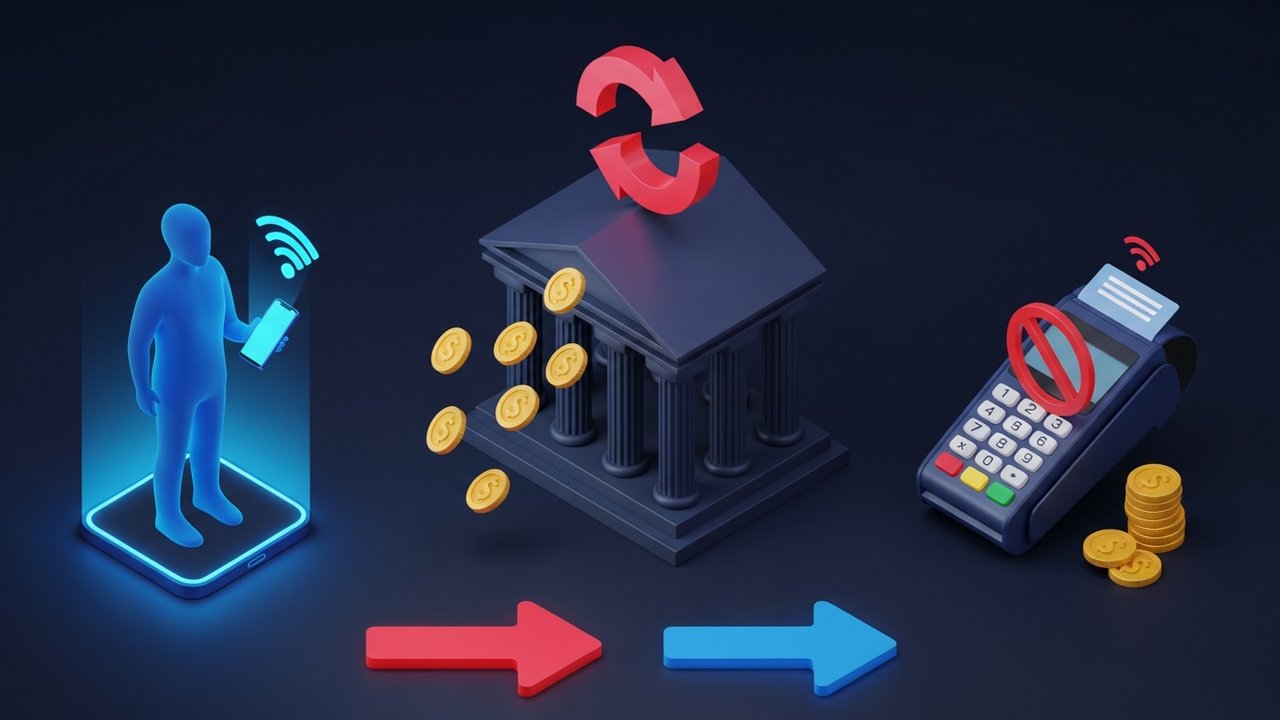
A chargeback is a transaction reversal demanded by a cardholder's bank, not by the cardholder and not by the merchant. When a customer disputes a charge, the bank goes directly to the merchant's acquiring bank, pulls the funds, and provisionally credits the cardholder's account. The merchant finds out after the fact.
Congress introduced the mechanism in the 1970s through the Fair Credit Billing Act. Credit card use was spreading fast, and consumers needed protection from billing errors and fraud they had no way to fight directly. The system worked for that purpose. What it also did was put merchants on the losing side of a dispute they often didn't know was happening until money was already gone.
Losing the sale is the obvious cost. Merchants also pay a chargeback fee of $15 to $100 per dispute, outcome irrelevant. Enough chargebacks and the card networks put the merchant in a monitoring program. More chargebacks still and they lose the ability to accept cards at all.
A few distinctions worth knowing:
- A refund is initiated by the merchant and returned voluntarily, no fee, no penalty
- A chargeback is initiated by the bank and taken from the merchant, fee applies always
- A dispute is the cardholder's complaint filed with their bank, which triggers the chargeback process
- The chargeback rate is the ratio of chargebacks to total transactions, card networks use it to flag high-risk merchants
How the Chargeback Process Works
The chargeback process follows a fixed sequence. Knowing each step makes it possible to respond at the right moment rather than discovering the outcome after it's already decided.
- Cardholder disputes a transaction. The customer contacts their bank and claims a charge was unauthorized, incorrect, or involved goods or services not received. Most card networks give consumers 60 to 120 days from the transaction date to file a chargeback.
- Bank initiates the chargeback. The issuing bank reviews the claim, provisionally credits the cardholder's account, and sends a chargeback notification to the merchant's acquiring bank.
- Acquiring bank debits the merchant. The merchant's account is debited for the disputed amount plus the chargeback fee. This happens before any investigation takes place.
- Merchant receives notification. The merchant gets the chargeback notice with a reason code that categorizes the dispute, such as unauthorized transaction or item not received.
- Merchant accepts or disputes. The merchant can accept the chargeback and lose the sale, or fight it through representment by submitting evidence to the acquiring bank.
- Card network reviews and rules. If the merchant disputes, Visa, Mastercard, or the relevant network examines the evidence from both sides and issues a final ruling.
- Final outcome. If the merchant wins, funds are returned. If the chargeback stands, the merchant loses the sale amount, keeps the fee, and the dispute goes on record against their chargeback rate.
Cardholders have up to 120 days to file. The resolution process, from receiving the chargeback notice to the final ruling, can take 6 weeks to 6 months.
Common Reasons for Chargebacks
Card networks categorize chargebacks by reason codes. Every chargeback dispute starts with one, and most fall into a handful of categories that merchants see repeatedly. Understanding these categories also helps merchants identify patterns of chargeback fraud before they compound.
- Unauthorized transaction. A stolen or compromised card was used without the cardholder's knowledge. This is true fraud, the scenario the chargeback system was originally built for.
- Item not received. The customer paid but claims the product or service was never delivered.
- Item significantly not as described. The product arrived but didn't match what was advertised.
- Duplicate charge or billing error. The customer was charged twice, or the wrong amount was processed.
- Subscription billed after cancellation. The cardholder cancelled a recurring arrangement but charges kept coming.
- Friendly fraud. The cardholder made a legitimate purchase and received what they ordered, then filed a chargeback anyway to get the money back without returning the goods.
Friendly fraud, also called first-party fraud, now accounts for 50% of all chargebacks. In 2024, first-party fraud represented 36% of all fraud cases, up from 15% in 2023. Gen Z accounts for 60% of chargebacks filed due to impulse purchase regret. Seventy-two percent of e-commerce merchants reported increased friendly fraud in 2024, and the trend is projected to surge another 40% by 2026.
Chargeback vs Refund: Key Differences
These two terms are often used interchangeably, but the mechanics are completely different, and so is the cost to the merchant.
| Feature | Chargeback | Refund |
|---|---|---|
| Who initiates | Cardholder's bank | Merchant |
| Merchant's role | No input required | Voluntary decision |
| Fee to merchant | $15–$100 per dispute | None |
| Timeline | 6 weeks to 6 months | Hours to days |
| Impact on merchant account | Counts against chargeback rate | No impact |
| Customer relationship | Often adversarial | Usually preserved |
| Card network involvement | Yes | No |
A refund costs the merchant the sale amount. A chargeback costs the sale amount plus a fee, plus the labor to respond, plus a mark against the chargeback rate that compounds over time. When a customer contacts the merchant first and gets a refund, that's the better outcome by every measure.
How Much Do Chargebacks Cost Businesses
The face value of a chargeback is the disputed transaction amount. The true cost is far higher.
A chargeback actually runs $4.61 for every $1 of disputed value in 2025. That multiplier covers the chargeback fee, labor to review and respond, product loss when goods were already shipped and not returned, and administrative overhead that doesn't show up on any single line item.
Broken down:
- Chargeback fee per dispute: $15 to $100, charged by the acquiring bank or payment processor
- Product loss: goods already shipped are rarely recovered when chargebacks succeed
- Labor costs: reviewing the dispute, gathering evidence, and filing representment takes staff time
- Opportunity cost: capital tied up in pending disputes isn't working capital
- Threshold penalties: Visa monitors merchants at a 0.9% chargeback rate; Mastercard triggers at 1.5%. Exceeding these thresholds initiates monitoring programs with escalating fines from $1,000 to $10,000 or more
- Account termination: merchants who stay in monitoring programs too long lose the ability to accept card payments
The merchant representment win rate, successfully overturning a chargeback after disputing, sits at only 8.1%. Disputing is expensive, slow, and usually unsuccessful. Prevention is the better investment.
Common Types of Chargeback Fraud
Not every chargeback looks alike, and treating them as if they do is how merchants end up throwing resources at the wrong problem.
True fraud is what most people picture: someone stole a credit card, used it, and the real cardholder disputes the charge. When a fraudulent transaction of this type gets confirmed, the bank reverses it. The merchant is out the product and the sale. 3D Secure and CVV verification cut this category, but nothing eliminates it entirely.
Friendly fraud is now the bigger problem. The cardholder buys something with their own card, gets what they ordered, then disputes the charge with their bank — claiming it was unauthorized or that the item never arrived. The purchase was real. The dispute isn't.
- 50% of all chargebacks stem from friendly fraud
- Gen Z files 60% of chargebacks related to impulse purchase regret
- Friendly fraud is projected to surge 40% by 2026
Standard fraud detection doesn't catch this type because nothing in the transaction looked wrong. Disputing it requires paper trails the merchant has to have maintained from day one.
Merchant error fraud is different from the other types because it's self-inflicted. Duplicate charges, wrong amounts, billing descriptors that show up on a statement as something unrecognizable — these produce chargebacks the merchant caused. They're preventable, and they shouldn't happen.
Clean fraud is the most sophisticated version. Criminals combine stolen credit card data with a convincing transaction profile: correct billing address, familiar device, reasonable purchase amount. The fraudulent transaction clears because it looks legitimate. The real cardholder doesn't see it until they check their statement, and by then a second fraudulent transaction from the same compromised card has often already gone through.
Chargeback Rate Benchmarks by Industry
Card networks set universal thresholds, but average chargeback rates vary considerably by industry. These benchmarks give merchants a baseline to measure against.
| Industry | Typical Chargeback Rate | Risk Level |
|---|---|---|
| Physical retail | 0.2–0.4% | Low |
| E-commerce (overall average) | 0.60% | Moderate |
| Subscription businesses | 0.5–1.0% | Moderate–High |
| Travel and bookings | ~1.0%+ | High |
| Digital goods and gaming | 0.8–1.5% | High |
| Adult content | 2.0%+ | Very High |
The threshold for "acceptable" sits below 1% across card networks. Visa's Early Warning program starts at 0.65%; its standard monitoring threshold is 0.9%. Mastercard's Excessive Chargeback Program kicks in at 1.5%.
A chargeback rate approaching 0.5% is an early warning sign, not a comfortable buffer.
How Merchants Can Prevent Chargebacks
Most chargebacks are preventable. The ones that aren't, true fraud on a stolen card, can be minimized with the right tooling. To prevent chargebacks from friendly fraud, documentation and clear communication do most of the work. The goal is to give customers no reason to file a chargeback when a quick refund or support response would have solved the problem.
- Use clear billing descriptors. The name that appears on the cardholder's statement should match the business they recognize. A confusing descriptor is one of the most common triggers for unnecessary disputes.
- Send order confirmation and shipping tracking. Documentation that reaches the customer before they forget the purchase cuts "item not received" claims significantly.
- Make refund and return policy visible and easy to use. A customer who can get a refund easily is far less likely to contact their bank instead.
- Use 3D Secure and CVV verification. For card-not-present transactions, these reduce true fraud chargebacks and shift liability to the issuing bank when properly implemented.
- Respond to complaints before they escalate. A support ticket answered the same day rarely becomes a chargeback. One that goes ignored often does.
- Use AVS, CVV, and velocity checks. Address Verification matches billing address; velocity checks flag multiple purchases from the same card in a short window.
- For subscriptions: send renewal reminders and make cancellation easy. A renewal email three days before billing and a one-click cancellation option eliminate the vast majority of subscription chargebacks.
- Keep evidence. Order records, delivery confirmations, customer communication logs, and IP data are the raw materials for a successful representment if a dispute does happen.
How to Dispute a Chargeback as a Merchant
The merchant representment process wins only 8.1% of the time overall, but strong evidence on the right chargeback dispute is worth the effort. Knowing when not to dispute matters as much as knowing how.
- Receive the chargeback notification. Your acquiring bank sends a formal notice with the disputed amount, reason code, and response deadline.
- Review the reason code. Each card network uses standardized codes to categorize disputes. The code tells you what evidence is needed and whether the dispute is worth pursuing.
- Assess whether to dispute. If the disputed amount is smaller than the cost of preparing representment, accepting the loss is the rational move.
- Gather evidence. Depending on the reason code: order confirmation, shipping proof with delivery signature, customer communication logs, IP address and geolocation data, device fingerprint, terms and conditions acceptance records.
- Submit representment through your acquiring bank. Most networks allow 7 to 30 days from the chargeback notification date. Missing the deadline is an automatic loss.
- Card network reviews and rules. Both sides' evidence goes to the network's arbitration process. The decision is final.
Skip the chargeback dispute when the transaction value is too small to justify staff time, when you have no delivery confirmation or communication records, or when it's clear friendly fraud with no documentation trail.
Crypto Payments as a Chargeback-Free Alternative
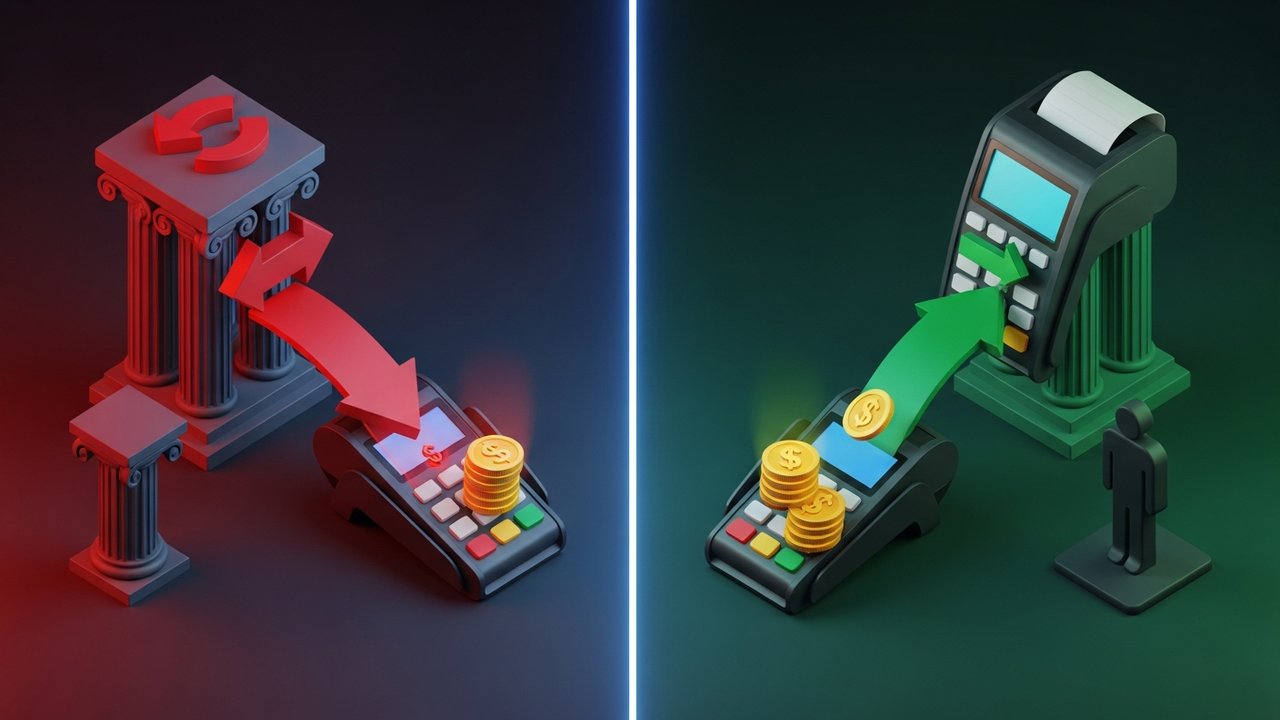
Chargebacks exist because credit card payments are reversible by design. The issuing bank can unwind a transaction after it clears. That architectural feature is a consumer protection mechanism, and a permanent cost center for merchants who process cards at volume.
Cryptocurrency transactions work differently. When a crypto payment confirms on the blockchain, it's final. No bank can reverse it. No cardholder dispute process applies. The payment goes from the customer's wallet to the merchant's wallet and stays there.
For merchants, this means:
- No chargeback fees on any transaction
- No chargeback rate to monitor or manage
- No card network monitoring programs or threshold penalties
- No representment process, no evidence gathering, no 8.1% win-rate gamble
Plisio lets merchants accept over 20 cryptocurrencies through a single integration, with no monthly fees and no intermediary chain. For businesses in high-chargeback industries, digital goods, subscriptions, travel, accepting crypto alongside traditional payment methods removes an entire category of revenue loss.