How to Buy Bitcoin Safely: Getting Started With Crypto & BTC
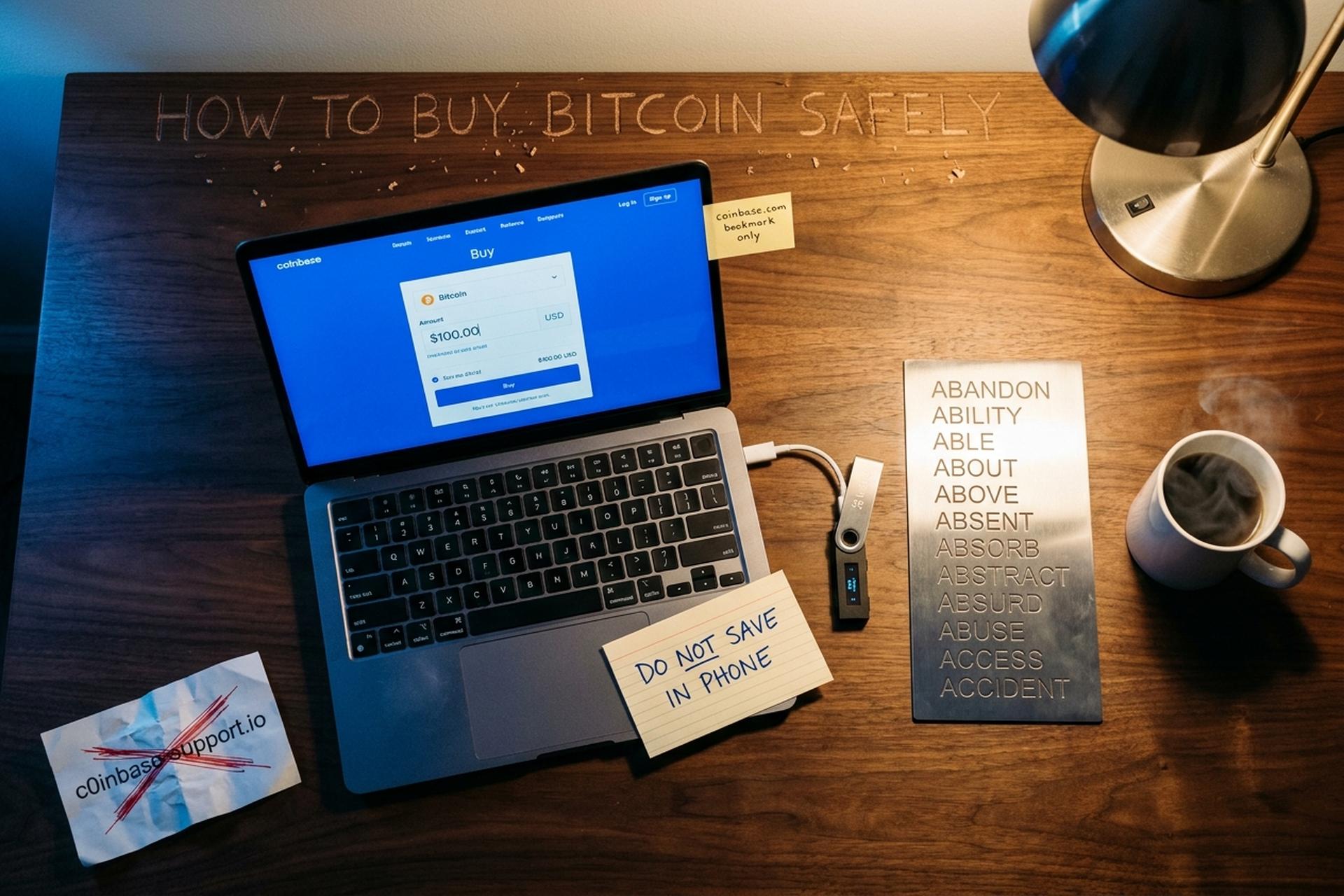
Twenty million bitcoin. That is how many coins exist right now. Only 21 million will ever exist. Full stop. Meanwhile, over at Bybit in February 2025, hackers walked off with $1.5 billion of customer money. Biggest crypto theft on record. Those two facts explain, better than any lecture, why people want to buy bitcoin and panic when they actually try.
Friends of mine have lost money, and it wasn't the price. They stored it wrong. Clicked a phishing link. Trusted some anonymous Telegram guru. The buying part? That's five minutes of work. Keeping it is where beginners mess up.
Here's what this handy guide covers. Picking an exchange. Funding a crypto account. Placing a first bitcoin transaction. Moving coins into a wallet no one else can touch. And the specific mistakes that quietly drain real money. If you're ready to buy bitcoin and getting started with bitcoin in 2026, this is the stack you need.
Overview of Crypto and Why Bitcoin Still Leads
Bitcoin started in 2009. It runs on a blockchain, which is, in plain terms, a public record where every bitcoin transaction gets logged. Thousands of computers around the world verify it. No central bank sits in the middle. No one controls it. There are no business hours. Send BTC to someone in Tokyo and it lands in minutes. Same story for most cryptocurrencies like bitcoin that followed. Ethereum. Bitcoin Cash. Solana. And a long tail of smaller tokens.
Come March 2026, one bitcoin trades around $69,000. Total market cap across all digital assets sits near $2.3 trillion. Bitcoin alone is about $1.33 trillion of that. Bigger than most public companies. BTC alone owns roughly 57% of the crypto market.
Here's the part first-time buyers almost always miss: you don't need a whole bitcoin. BTC splits into satoshis. 100 million sats per coin. $10 worth of bitcoin is a perfectly fine starter position if that's your budget. Almost every major exchange lets you purchase bitcoin from tiny amounts, which is the easiest way to buy without putting real money at risk on day one.
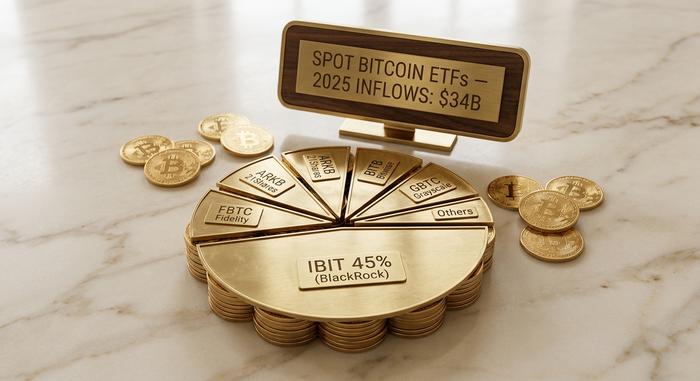
Why bitcoin first, not something else? Other cryptocurrencies exist, yes. Ethereum has smart contracts. Solana is fast and cheap. Stablecoins track the dollar. Bitcoin's edge is all the boring stuff: longest track record, deepest liquidity, widest institutional adoption, and a supply cap nothing else comes close to. Spot bitcoin ETFs pulled $34 billion in 2025. BlackRock's IBIT alone now holds over 45% of spot bitcoin ETF assets. When the biggest asset manager on earth bets its name on an asset like bitcoin, that is worth a little attention.
The Safest Way to Buy Bitcoin Step by Step
The whole process is shorter than most beginners expect. You pick a regulated cryptocurrency exchange. You verify your identity with KYC. You fund your crypto account (bank transfer, debit card, or credit card). You place your first bitcoin purchase. Then, most importantly, you transfer your crypto off the exchange to a wallet you actually control.
Steps one through four take most people under an hour. Step five is the one beginners skip, and it is why most losses happen. The next sections break each one open in depth.
Choosing a Cryptocurrency Exchange to Buy Crypto
A cryptocurrency exchange is where your local currency (dollars, euros, pounds) gets swapped into bitcoin or any other type of crypto. They are not all equal. Some got hacked. Some froze customer funds mid-panic. Some charge fees that eat your entry. Choose an exchange with care.
What to look for:
- Regulation. Is the exchange licensed in your country? In the US, look for FinCEN registration and state money transmitter licenses. Coinbase, Kraken, and Gemini all hold these.
- Security track record. Has the platform been hacked before? How did it handle it? Did customers lose money?
- Insurance. Some platforms insure cash deposits. Coinbase, for example, gives FDIC pass-through coverage up to $250,000 on your USD balance. But that is cash only. Cryptocurrency investments are not insured the way stocks or bank deposits are, so read the fine print on the crypto side before you size up.
- Fees. Trading fees range from 0% to 1.5% depending on the platform and your trade size. Wire transfers and credit card purchases usually carry extra charges on top.
- Supported assets. Bitcoin is available everywhere. If you may want Ethereum, stablecoins, or other cryptocurrencies later, check the full list.
| Exchange | Trading fees | Min. purchase | Payment methods | Security features |
|---|---|---|---|---|
| Coinbase | 0% to 0.6% | $1 | Bank, debit card, wire, PayPal | SOC 2, licensed in 40+ states |
| Kraken | 0% to 0.4% | $10 | Bank, wire, debit card, Apple Pay | ISO 27001, SOC 2 Type 1 |
| Gemini | 0% to 0.4% | $1 | Bank, debit card, wire | SOC 2 Type 2, insured cash |
| Binance.US | 0% to 0.6% | $10 | Bank, debit card | Licensed, proof of reserves |
If you're in the US and this is your first time, Coinbase or Kraken are safe starting points. Mobile apps. Straightforward interfaces. Both have run for over a decade without losing customer funds to a hack. Both also publish proof-of-reserves reports, which is a way to verify the exchange actually holds the bitcoin it claims to. Outside the US? Bitstamp, Bitvavo, and Kraken cover most of Europe. CoinSpot and Swyftx are common choices in Australia.
KYC and account setup
After picking a platform, you have to do KYC, which stands for know your customer. Name, address, date of birth, and a photo of a government ID. Some services also want a selfie held next to your ID, which feels weird but is standard. Anti-money-laundering laws require every regulated crypto exchange in the US and EU to run these checks. A platform that lets you buy bitcoin with zero verification is not being customer-friendly. It is either unregulated or operating illegally. Either way, not where you want your money.
Most verifications clear in minutes. Sometimes a few hours if the system is busy.
Funding Your Account: Bank Transfer or Card
Once the account is live, you need a way to fund it. A few options, each with its own trade-offs.
| Funding method | Speed | Typical fee | Best for |
|---|---|---|---|
| ACH bank transfer | 1 to 3 days | Free on most US exchanges | Larger amounts, recurring buys |
| Wire transfer | Same day | $10 to $30 | Big one-time purchases |
| Debit card | Instant | 1.5% to 3% | Smaller instant buys |
| Credit card | Instant | 3% to 5% + cash-advance interest | Skip if possible |
| PayPal | Instant | ~2.5% | Coinbase, eToro |
| Apple Pay / Google Pay | Instant | Similar to card | Kraken, MoonPay |
ACH bank transfer is the cheapest way to get dollars into a crypto account. Takes 1 to 3 days to clear, though some platforms let you buy immediately while the transfer settles in the background. A wire moves same-day for a fee. Debit card is instant but pricey. If you buy bitcoin with a credit card, you pay extra fees on top, and your card issuer may treat the purchase as a cash advance, which kicks interest in from day one. Skip credit cards unless you truly have no other option.
For most people, ACH is the way to fund without bleeding on fees. If you're only buying a small amount of crypto for the first time, a debit card is the easier on-ramp.
Your First Bitcoin Transaction in Detail
Once the account is funded, you're ready to buy. A first bitcoin transaction takes about 30 seconds. Search for bitcoin inside the exchange, type in the USD amount, review the order, confirm. Done. You own bitcoin.
A few things worth knowing before you click:
- Market orders execute instantly at the current bitcoin price. Simple, but you might pay slightly more than the listed price because of the bid-ask spread.
- Limit orders let you set an exact price. The order fills only if bitcoin hits your target. Takes patience but can save money.
- Dollar-cost averaging (DCA) means buying a fixed dollar amount on a schedule. $50 each Friday. $200 on payday. Whatever rhythm fits your paycheck. Most exchanges handle it as a recurring purchase with one checkbox. The math works in your favor: more BTC when the price drops, less when it spikes.
Don't try to time the market. I've watched experienced traders get it wrong more often than they get it right. Regular buying over time beats guessing, whether you choose to buy your crypto in one lump or use a drip schedule.
After the order clears, the bitcoin you buy sits in the exchange's wallet, technically still controlled by the exchange. That is the default custodial setup, and it is fine for a small amount you plan to trade within the week. Selling is a mirror of the same process: on most exchanges you can sell bitcoin back to USD with one or two taps, and the funds return to your bitcoin account (or bank) after the trade settles. For anything you want to hold, the next step matters more than this one.
Bitcoin Wallets: Where to Store Crypto Safely
A wallet is where you actually store your crypto. Technically, it holds your private keys, the codes that prove to the blockchain those coins belong to you. Whoever holds the key controls the coins. That's the security model in one line. Where you keep those keys decides everything else.
Bitcoin wallets come in three flavors. Exchange wallets. Hot wallets. Cold wallets. Each sits at a different spot on the convenience-versus-safety curve.
| Wallet type | Security | Best for | Cost | Connected to the internet? |
|---|---|---|---|---|
| Exchange wallet | Medium | Beginners, small amounts, active crypto trading | Free | Yes |
| Hot wallet (Exodus, MetaMask, Trust) | Medium-high | Daily use, moderate amounts | Free | Yes |
| Cold wallet (Ledger, Trezor) | High | Long-term buy and store | $69 to $149 | No |
| Paper wallet | High (if done right) | Archival, deep cold storage | Free | No |
Hot wallets
These are apps on your phone or computer. Exodus, Trust Wallet, BlueWallet. MetaMask handles Ethereum and Ethereum-compatible tokens; a separate app handles BTC. Hot wallets are connected to the internet, which makes them fast for sending and receiving bitcoin. It also makes them vulnerable. Phone malware, a phishing page, a compromised browser extension. Any of those can drain a hot wallet in seconds.
Think of a hot wallet like the cash in your physical wallet. You carry enough for daily expenses. You do not carry your life savings.
Cold wallets
This is where serious holders keep their bitcoin and other cryptocurrencies. A cold wallet, usually a hardware device from Ledger or Trezor, keeps your keys fully offline. The device looks like a chunky USB stick. When you want to send your crypto, you plug it in, approve the transaction on the device screen, and unplug it. Your keys never touch the internet.
Ledger Nano S Plus goes for about $79. Trezor Model One is around $69. Less than most people drop on a Friday night out. And it gives you security no exchange can match. If you buy and hold bitcoin as an investment, move it to a cold wallet. Set it up, transfer your crypto from the exchange to your wallet address, verify the bitcoin transaction on the blockchain, and store the device somewhere dry, hidden, fireproof. An external wallet you physically control is the single biggest upgrade a new investor can make.
Protecting Your Crypto Assets from Hackers
Most people who lose crypto don't get hacked directly. They give it away through small mistakes. Protecting your crypto comes down to habits more than technology. Here are the ones that actually matter.
- Use a strong password. Unique to the exchange, 16+ characters, generated by a password manager. Reusing your Netflix password is how accounts get drained.
- Turn on app-based two-factor authentication. Google Authenticator, Authy, or a YubiKey. Never SMS, ever. SIM-swap attacks move your phone number to the attacker's SIM and pull your text codes. It happens every week.
- Encrypt everything. Your password manager should be encrypted. Your phone should be encrypted. Your backups should be encrypted. Modern phones do this by default if you set a PIN.
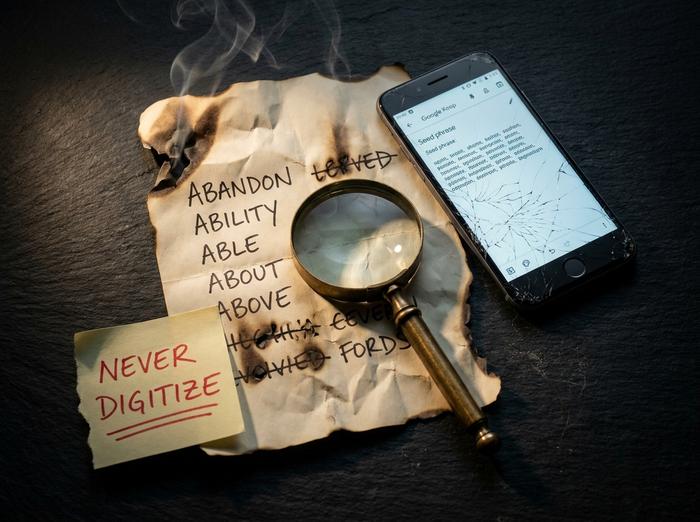
- Keep your seed phrase offline. Your wallet gives you 12 or 24 words during setup. That is your recovery backup. Write the words on paper or stamp them into metal. Never type them into a website. Never save them in your email, notes app, or cloud drive. I know someone who lost $40,000 in bitcoin because their seed words ended up in a Google Keep note and their Gmail got compromised.
- Bookmark your exchange. Always type the URL yourself or use the bookmark. Never click Google ads for exchanges (they are often phishing clones). Never follow links from emails, DMs, or Telegram groups.
- Watch for approval scams. If a "support agent" asks for your seed words or private key, they are stealing from you. No legitimate service ever asks for those.
These are the basic security measures. They take 20 minutes to set up and save people thousands.
Bitcoin Price, ETFs, and How Much to Buy
Bitcoin price is wild. BTC fell from an all-time high above $125,000 to around $60,000 in February 2026. A 52% drawdown. Emergency fund money parked in BTC at the top? Devastating. Money you didn't need for a decade? Painful but survivable.
A reasonable starting range, if you want to invest in crypto, is 1% to 5% of a total investment portfolio set aside for crypto investments. Enough upside to matter. Not enough to wreck your stability if it halves. Bitcoin is not the place to store money you might need for rent or groceries next month. It's a long-duration asset. Buy small. Buy regularly. Watch how the market moves before you commit more.
Should you buy bitcoin through an ETF instead?
Since January 2024, US investors can buy bitcoin through spot bitcoin ETFs. IBIT from BlackRock, FBTC from Fidelity, a handful of others. You get BTC exposure through a regular brokerage account. No wallets. No private keys. No exchange account to open.
Dead simple. Your ETF shares live in your Schwab or Fidelity account like any stock. SIPC covers the brokerage. You never touch a seed phrase.
Catch: you don't own bitcoin. You own fund shares that represent bitcoin. Can't send it. Can't spend it. Pay BlackRock 0.25% a year for holding it for you. And if the whole point of crypto appeals to you, that you hold your own money without asking a bank for permission, then buying BTC through a Wall Street fund kind of defeats the purpose.
| Method | You own actual BTC? | Can send/receive? | Custody risk | Fees |
|---|---|---|---|---|
| Exchange + self-custody | Yes | Yes | Your responsibility | Trading fee only |
| Exchange (leave on platform) | Technically | Yes | Exchange holds keys | Trading fee |
| Spot bitcoin ETF (IBIT, FBTC) | No, fund shares | No | Fund custodian | 0.12% to 0.25% annual |
For people who want price exposure only, ETFs are a valid way to buy. For people who want to actually use and control their crypto, buying bitcoin via an exchange and moving it to a hardware wallet is the way to go.
Kraken, Ethereum, and Other Cryptocurrencies
Most guides on how to buy bitcoin using an exchange pick Coinbase as the example. Kraken is the other standard. Kraken's crypto offering covers bitcoin, Ethereum, Bitcoin Cash, Solana, hundreds of tokens, and even some NFTs via integrated marketplaces, so one account on Kraken gives you access to your crypto across most of the major assets. For a beginner's first purchase, Kraken's Instant Buy tool works like a simple form: pick the asset, pick the amount, confirm. Its Kraken Pro interface is for active traders who want limit orders and lower fees.
Once you're comfortable with bitcoin, it's natural to poke around the wider market a bit. Ethereum sits at number two. It's the main platform for smart contracts, NFTs, and DeFi apps. Stablecoins (USDT, USDC) behave as a digital currency pegged to the dollar. Handy when you want to sit in cash inside a crypto account without moving back to a bank. Solana is fast and cheap, a favorite of active traders. Bitcoin and other cryptocurrencies each come with their own trade-offs in speed, cost, and security. BTC still sets the tone for the whole market.
Rule of thumb for beginners: focus on bitcoin first. Add Ethereum once you understand how to use crypto day-to-day and how fees work. Avoid chasing the newest token you saw on TikTok, most of them lose 90% of their value within a year.
Mistakes That Cost You the Bitcoin You Buy
The market did not take most people's crypto. They gave it away. Here are the patterns that repeat.
Leaving everything on the exchange. Already said it, saying it again. Exchanges get hacked. In 2025, crypto hacks totaled $3.4 billion. The Bybit breach alone was $1.5 billion, all stolen from exchange wallets. North Korean hackers accounted for about $2 billion of the annual total, according to Chainalysis. Even the big regulated platforms have had close calls. Bybit was considered reputable right up until the funds walked out the door.
Losing the seed phrase. Device breaks? Seed phrase restores everything. Lose the phrase? Bitcoin is gone. Permanently. Nobody can recover it for you.
Falling for phishing. Fake Coinbase email. Fake Kraken login page. Fake "support" DM on X. The link steals credentials. Always type the URL yourself, bookmark it, and turn on 2FA with an authenticator app.
Sending crypto to the wrong address. Bitcoin transactions are irreversible. Typos are unforgiving. Always copy and paste, then verify the first four and last four characters match. Use the small-amount test transfer on first use of any new address.
Sending your crypto to a scam. Fake giveaways, romance scams, fake investment platforms promising 10% daily returns. If it sounds too good to be true, it is. Anyone asking for your seed words or private key is trying to steal from you.
SIM-swap attacks. Hacker calls your carrier. Pretends to be you. Gets your number moved to their SIM. Then drains your exchange account via SMS 2FA. Switch to an authenticator app or a hardware key.
Trading on random platforms. Some sketchy exchange advertises zero-fee bitcoin purchases. Works for a while. Then the site goes offline and your crypto goes with it. If you have not heard of the platform, if it isn't licensed, if there is no public team, skip it.
If you can avoid these, you avoid most of the ways to lose bitcoin that are not caused by the price falling. The simple rule: once you get your crypto off the exchange and onto your own wallet, nobody else can touch it unless they get your seed phrase.
How to Get Crypto Safely: Final Playbook
Tools to get crypto safely have never been in better shape. Regulated exchanges with insurance on cash balances. Hardware wallets for $70. Spot bitcoin ETFs for zero-hassle exposure. The infrastructure is mature. Fees are lower than any point in history. Even a complete beginner can set up a safe stack in under an hour.
Short version of everything above:
1. Pick a regulated cryptocurrency exchange (Coinbase, Kraken, Gemini, Bitstamp).
2. Verify your identity and fund via bank transfer for the lowest fees.
3. Buy bitcoin. Start small. Set up recurring purchases to dollar-cost average.
4. Transfer your crypto to a hardware wallet for long-term storage.
5. Protect your seed phrase like your life depends on it.
6. Use an authenticator app for 2FA. Never SMS.
7. Ignore anyone promising guaranteed returns or asking for your keys.
8. Treat small amounts as practice. You'll need to keep track of every transaction for tax purposes anyway.
Bitcoin at its core is about financial independence. You hold the keys, you hold the money. No bank can freeze it. No government can debase the supply. But that independence comes with responsibility. If you lose your keys, nobody can help you. If you send bitcoin to a scammer, there is no chargeback.
Take the time to learn the basics. Start with an amount that won't keep you up at night. And treat security not as an afterthought but as the foundation the rest sits on. That is the safest way to buy bitcoin.