What Is GetImg AI? A Full Tour of the Platform
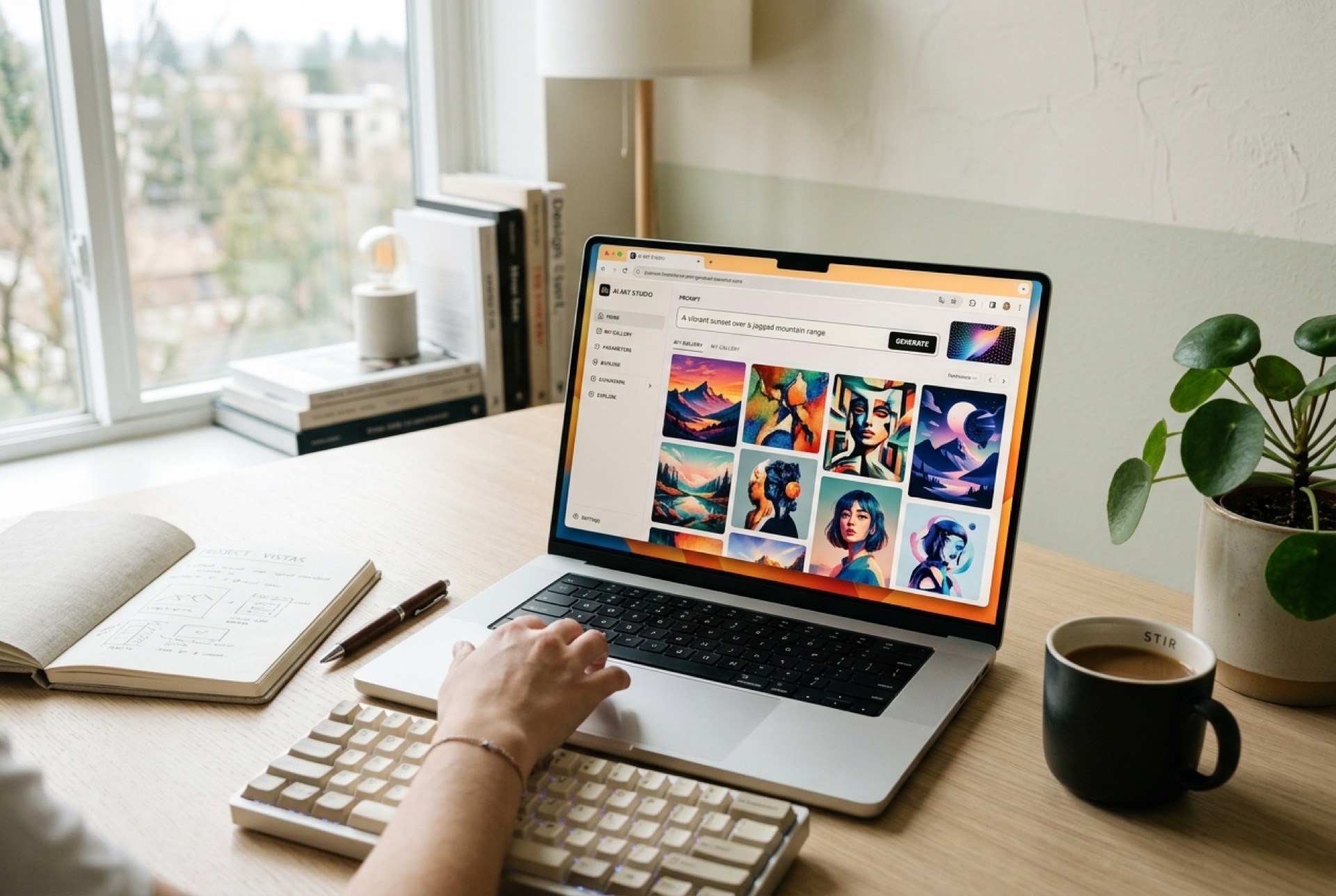
GetImg AI (the platform also written as getimg.ai) is the kind of AI image generator that used to be a power-user secret and is now caught in the middle of a noisy transition. Built by two brothers in Warsaw, it bundles a dozen of the current top image and video models into one browser-based workspace, with an editor and canvas attached. It used to bundle ninety. The 2.0 overhaul in early 2026 stripped the catalogue, killed the free tier, retired Stable Diffusion entirely and ended the platform's DreamBooth fine-tuning feature. Those were the very things that built its reputation. This piece walks through what GetImg AI actually is in 2026, what it still does well, what it lost in the rewrite, and who it now genuinely fits.
What GetImg AI is, and how it has changed
GetImg AI launched in November 2022, posted on Product Hunt by two Polish brothers, Jakub and Maciej Lukowski. The company is headquartered in Warsaw, bootstrapped, and has run as a small team of fewer than ten people since launch. There is no VC story attached to it. The original pitch was tight: take Stable Diffusion 1.5, which had just gone open source three months earlier, and put it behind a clean, user-friendly web interface so people who couldn't run a Python notebook could still generate AI images. It was, at launch, an intuitive image generator wrapper on a model that very few non-technical users could otherwise reach.
That premise hit at the right time. Through 2023 the platform layered on Stable Diffusion XL, then DreamBooth fine-tuning, then ControlNet, then an inpainting and outpainting editor, then a canvas with real-time generation. By mid-2024 reviewers were calling it one of the most generous all-in-one AI image generators going: 80+ models including a deep catalogue of community Stable Diffusion checkpoints, model training and fine-tuning included on cheap plans, a free plan with 100 monthly credits, and commercial rights on paid plans. It was the platform most people who outgrew Midjourney's Discord workflow moved to next.
Then in late 2025 and early 2026 the company executed what it called a "2.0" platform overhaul. Stable Diffusion 1.5 and SDXL were sunset on 28 February 2026. DreamBooth fine-tuning was discontinued on 1 March 2026. The free tier was retired. The browseable catalogue of 80+ models was cut to roughly 15 current ones. The new direction, from GetImg AI's framing, is "the latest AI models, always auto-selected for the task at hand"; fewer, better, opinionated, paid-only. From the older user base's framing it was a gut-punch.
Traffic numbers reflect the turbulence. Similarweb logged GetImg AI at 494,900 visits in April 2026, down roughly 24% month-on-month, with the United States the single largest market at around 15% of the total. That is still a substantial audience, but it is a long way from where the platform sat at the end of 2024. Forum threads and reviewer follow-ups from late 2025 onward describe an exodus of long-time power users towards Leonardo, Civitai-based local installs, and self-hosted ComfyUI workflows. The new direction has its defenders too: design-focused freelancers who never used DreamBooth or LoRA training report that the curated 2026 interface is faster to learn and produces more publishable results out of the box.
The 12 or so AI models GetImg AI runs in one interface
The current GetImg AI model catalogue is much smaller than it used to be, and considerably more current. The platform now exposes a curated handful of state-of-the-art models rather than the all-you-can-pick buffet of earlier years.
| Model | Type | Notable for |
|---|---|---|
| FLUX (variants) | Text-to-image | Realism, hands, prompt adherence |
| Z-Image Turbo | Text-to-image | Fast generation |
| Seedream 4 / 4.5 / 5.0 Lite | Text-to-image | High-detail illustration |
| Wan 2.7 Image / Image Pro | Text-to-image | Photoreal style range |
| Qwen Image 2.0 / Pro | Text-to-image | Strong text-in-image rendering |
| GPT Image 2 | Text-to-image | OpenAI-style coherence |
| Nano Banana 2 | Text-to-image | Lightweight fast iteration |
| Seedance | Image-to-video | Short clip generation |
| Kling 3.0 Pro / O3 | Text-to-video | Longer cinematic clips |
| Wan 2.6 / 2.7 (video) | Image-to-video | Animation from stills |
| HappyHorse 1 | Video | Stylised motion |
The pitch behind the smaller catalogue is that GetImg AI now auto-selects a model for each prompt rather than asking users to pick one from a long dropdown, optimising for high-quality output and faster image creation rather than maximum choice. That works well for casual users who do not want to learn the difference between Wan 2.7 and Seedream 4.5; it frustrates power users who had favourite Stable Diffusion checkpoints they trained against. Manual model selection is still available behind a settings toggle for users who prefer to pick themselves, but the default workflow assumes the user does not care. The video side of the catalogue is the more interesting addition: Kling, Seedance and Wan together cover most of what a freelance creator wants for short social-format clips, without paying for a separate Veo or Runway subscription.
What is no longer here matters too. Stable Diffusion 1.5 and SDXL are gone. DreamBooth and LoRA fine-tuning are gone. Ideogram, which a lot of older blog posts list as a GetImg model, was never actually part of the GetImg catalogue and isn't now. The platform is a curated front end for the current generation of closed and semi-closed models, not the community-checkpoint sandbox it used to be.
Features beyond text-to-image: AI Editor and Canvas
GetImg AI's appeal has never been only model variety. The platform wraps the generation engine in a small but useful toolbox of AI tools and editing features that competitors charge extra for or do not offer at all.
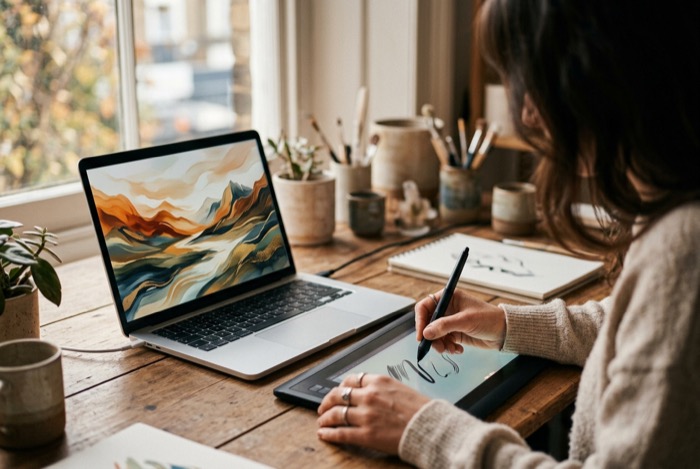
The AI Editor handles inpainting, outpainting, background replacement, upscaling at 2x, style transformation and image restoration. It runs on the same credit system as text-to-image. Smart resizing crops to platform-specific aspect ratios without losing detail. The transparent background remover is instant. The real-time canvas pairs with a generation model and shows updates as the user sketches or types, which is one of the platform's most-praised features for moodboarding workflows. Character and style consistency tools accept a reference image and reuse the look across multiple generated outputs, which solves the single biggest complaint about pure prompt-to-image tools.
Team collaboration lets a small workspace share generations, prompts and saved presets. The REST API exposes most of the same generation calls programmatically, priced per call, with documentation that reviewers describe as workable rather than excellent.
Two things to flag about features inherited from the older platform. DreamBooth fine-tuning, which let users train a custom model on a small reference set of personal images, was discontinued on 1 March 2026. LoRA training and most community checkpoint hosting went with it. The 2.0 platform replaced those with the character and style consistency tools, which work from a reference image rather than a trained model, and are easier to use but harder to push toward a very specific creative house style.
GetImg AI pricing tiers and what each one buys
The pricing changed materially in the 2.0 overhaul. Most importantly, the free tier was discontinued, so GetImg AI is now a paid-only platform with no try-before-you-buy unless a user counts the limited preview pages on the public site.
| Tier | Monthly | Annual (per mo) | Credits / month |
|---|---|---|---|
| Entry | $10 | $8 | 3,000 |
| Core | $30 | $25 | 15,000 |
| Plus | $65 | $55 | 35,000 (most popular) |
| Ultra | $175 | $150 | 100,000 |
One credit equals one standard image generation on most models. Video and higher-quality models cost more credits per output. All paid tiers include commercial rights and access to every model in the current catalogue. Credit balances roll over within the billing period but do not stack indefinitely. There is no enterprise tier listed on the public page.
Compared to where the platform was a year earlier (when $12 a month brought 3,000 images plus DreamBooth fine-tuning), the new entry pricing buys slightly less for slightly more. The deeper cuts hit the people who lived on the free tier.
Commercial rights, NSFW limits and API access
Commercial rights are included on every paid GetImg AI plan. Output is licensed under the CreativeML Open RAIL-M framework, the same licence that ships with the open Stable Diffusion releases, which means commercial use is allowed with the standard set of use-case restrictions around harm and identity misuse.
NSFW policy on GetImg AI is the part the platform is least clear about in 2026. The historic reputation was permissive, built on the open Stable Diffusion checkpoints and community LoRAs that allowed adult content under page-level discretion. Those checkpoints are no longer in the catalogue. The current FAQ does not publish an explicit NSFW policy, and reviewers report that the curated 2026 models (Wan, Seedream, Qwen, FLUX) refuse or heavily filter prompts the older Stable Diffusion checkpoints would have generated cleanly. For creators who built workflows on the older permissive era, the practical answer in 2026 is that GetImg AI is significantly stricter than it was. The platform is also not as permissive as alternatives like Perchance or NSFW-focused rivals.
That matters commercially. NSFW-friendly creators who do monetise their output still face the same chokepoint every adult-adjacent business hits: traditional card processors refuse them. The standard fallback is crypto payment rails through gateways like Plisio rather than Visa or Mastercard, regardless of which generation platform creators end up choosing as their alternative.
The REST API is the part of the platform that did not change much across the overhaul. Developer keys are issued from the dashboard, calls are priced per generation in credits, and the documentation covers the current models. Rate limits scale with tier.
GetImg AI vs Midjourney, DALL-E and Leonardo.AI
GetImg AI is competing on bundling and editing rather than on having the best single image model on the planet.
| Platform | Free tier | NSFW | Model variety | API | Max image res | Entry price |
|---|---|---|---|---|---|---|
| GetImg AI | No (2026) | Stricter post-overhaul | 12+ image, 4+ video | Yes | 2K+ | $10/mo |
| Midjourney | No (paid trials only) | No | 1 (proprietary v6/v7) | Limited | 2K (4K on paid) | $10/mo |
| DALL-E 3 / GPT Image | Inside ChatGPT free | No | 1 (proprietary) | Yes | 1024px | Included with ChatGPT Plus |
| Leonardo.AI | Yes, 150 daily tokens | Yes, page-level | Many (FLUX, SDXL, custom) | Yes | 1.5K | $12/mo |
GetImg AI wins on the editor + canvas combination, the breadth of current models inside one subscription and the video coverage. It loses to Midjourney on single-model image quality and to Leonardo.AI on free-tier generosity and NSFW flexibility. It loses to ChatGPT integration if a user only needs DALL-E and already pays for ChatGPT Plus.
GetImg AI pros, cons and who it's right for
The pros are clear: 12+ image and video models in one paid subscription, a real AI Editor with inpainting and outpainting, real-time canvas, character consistency tools, an API that works, commercial rights on every tier, and credit values that scale sensibly. For a freelance designer or content creator who wants one tool for moodboards, social-format clips and quick edits, GetImg AI is one of the most coherent AI-powered options on the open web.
The cons trail the 2.0 overhaul. The free tier is gone, which kills a major onboarding path. DreamBooth and LoRA fine-tuning are gone, which removes the one feature power users actually paid for. The Stable Diffusion catalogue is gone, which removes both the older community models and the practical flexibility around adult content. Reviewer threads from late 2025 onwards describe complaints being scrubbed from public forums, which is its own kind of warning sign about the company's relationship with its existing user base. Newcomers will not notice; people who built a workflow on GetImg AI before the overhaul largely have.
Verdict: is GetImg AI worth it in 2026?
GetImg AI is worth it for a specific kind of user: someone who wants a single $10–$55 monthly bill to cover modern image and video generation, light editing and an API, without renting a separate subscription for each piece. The platform is solid, the editor is genuinely useful, the real-time canvas is one of the better implementations on the market, and the curated catalogue removes a lot of decision paralysis for casual users.
Anyone who specifically needs custom fine-tuning, open Stable Diffusion checkpoints, a free tier or maximum NSFW flexibility should look elsewhere; the 2.0 overhaul stripped those out. Power users who built on the older catalogue have largely already moved. For the middle case, a freelancer, marketer or small studio who wants one good AI creative platform and isn't tied to legacy workflows, GetImg AI in its 2026 form still earns the seat. The platform is smaller than it used to be, but the parts it kept work well, and the video models that came in to fill the gap are genuinely useful for short-form social work.