
What Can You Buy with Bitcoin
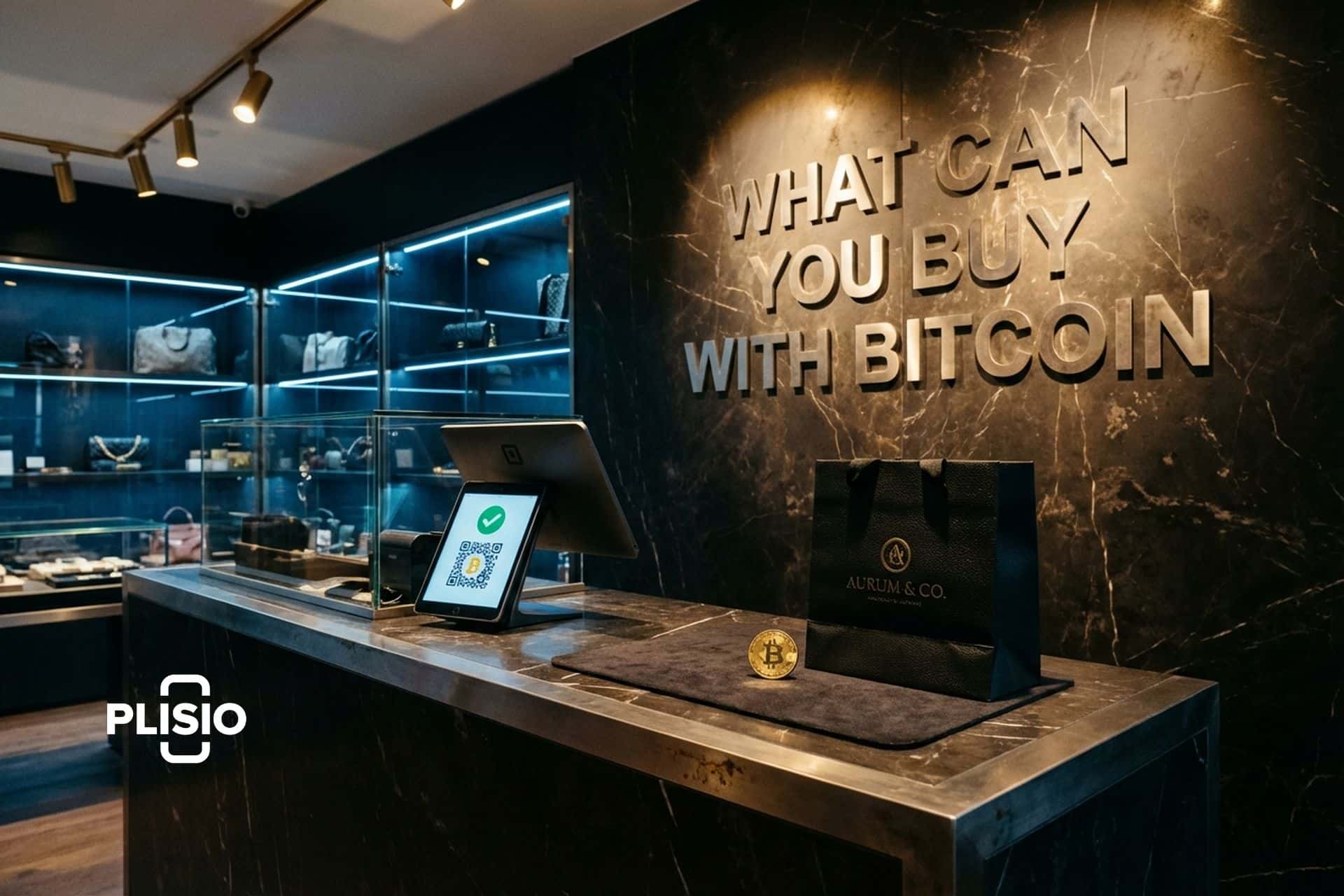
In 2010, a guy paid 10,000 BTC for two Papa John's pizzas. Those coins would be worth over $800 million today. I bring this up because the whole point of Bitcoin was supposed to be buying stuff, and for years, there wasn't much you could actually buy with it. That's changed.
Right now, in 2026, you can use bitcoin to buy a Ferrari, a Rolex, a Chipotle burrito, pay your AT&T phone bill, subscribe to a VPN, or book a seat on a Virgin Galactic spaceflight. A Deloitte survey found that 85% of merchants who accept crypto say it helps them attract new customers. PayPal now lets you buy, sell, and spend cryptocurrency straight from your account. The SEC approved spot Bitcoin ETFs in January 2024. The infrastructure for spending BTC caught up with the hype, finally.
I'm going to walk through what you can actually buy with bitcoin and other cryptocurrencies today, name the companies, and explain the three spending methods that make all of this work.
The three ways to spend Bitcoin
Before getting into what you can buy, you should know how you'll pay. There are basically three paths, and each one has trade-offs.
The first is direct payment. You send BTC (or another cryptocurrency) straight from your wallet to a merchant's wallet. Some businesses have their own crypto checkout, others use payment processors like BitPay or Coinbase Commerce. The merchant usually gets fiat currency on their end, so they don't carry the price risk. This works for online purchases and at some physical stores, especially those running Lightning Network point-of-sale terminals.
The second is crypto debit cards. This is the easiest way to spend crypto at literally any store that takes Visa or Mastercard. Cards like the Coinbase Card or the CL Card (Ledger's partnership with Baanx) let you load Bitcoin or another cryptocurrency, and when you tap the card, it converts to dollars at the register. The retailer doesn't even know you paid with crypto. Some cards offer 1% cashback in BTC. If you want to spend bitcoin somewhere that doesn't formally "accept" it, this is your move.
The third is gift cards. Platforms like Bitrefill and Gyft let you buy gift cards with Bitcoin for Amazon, Walmart, Best Buy, IKEA, Uber, and hundreds of other retailers. You pay in BTC, get a digital gift card code, and use it like any other gift card. It's not elegant, but it works, and it means you can use crypto to buy from stores that accept cryptocurrency indirectly, even if they'd never integrate a crypto checkout themselves.
| Method | How it works | Pros | Cons |
|---|---|---|---|
| Direct payment | BTC from wallet to merchant | Lowest fees, most "pure" | Limited merchants, slower |
| Crypto debit card | Card converts BTC to fiat at point of sale | Works anywhere Visa/MC accepted | Conversion fees, KYC required |
| Gift cards | Buy gift cards with BTC on Bitrefill/Gyft | Access to Amazon, Walmart, etc. | Two-step process, limited amounts |
Electronics, tech, and e-commerce
Tech was the first sector to take Bitcoin spending seriously, and it still has the most options.
Microsoft has taken BTC since 2014. You can use bitcoin to buy Xbox games, Windows licenses, all the digital stuff. Newegg, the electronics retailer, got in around the same time and might've been the first major online store to accept bitcoin. They still do.
Shopify is interesting because the platform itself doesn't accept crypto, but it lets its merchants plug in BitPay or Coinbase Commerce. So any of the millions of stores running on Shopify could theoretically take your BTC. Whether they've turned it on is hit or miss, but plenty have.
AT&T was the first big U.S. carrier to let you pay your phone bill with crypto through BitPay. ExpressVPN and NordVPN take bitcoin, which makes sense if you think about the Venn diagram between crypto people and VPN people. ProtonMail, Namecheap for domains and hosting, same deal.
Rakuten, Japan's e-commerce giant, accepts Bitcoin on its platform. Amazon still doesn't take BTC directly, which drives people crazy. The workaround? Buy an Amazon gift card on Bitrefill with crypto. Extra step, but you end up in the same place.
Cars and luxury vehicles
Every crypto bull run produces a wave of "I bought a Lambo with Bitcoin" posts on X. Cliche? Sure. But you actually can do it now without much friction.
Ferrari got on board in late 2023. They take BTC, Ethereum, and USDC through BitPay. Started in the U.S. dealerships, then rolled out across Europe. You're literally buying a supercar with internet money. Wild.
Tesla? Complicated. Musk tweeted in March 2021 that Tesla would accept bitcoin. A few months later he pulled the plug over Bitcoin mining's environmental footprint. As of 2026, Tesla only takes Dogecoin, and only for some merchandise on their website. Not for actual cars.
If you want the full crypto car shopping experience, dealers like BitCars, AutoCoinCars, and O'Gara Coach will sell you anything from a Porsche to a multi-million-dollar vintage Ferrari. Regular dealerships in Miami and Dubai have added crypto quietly too. You might need to ask, but the option's there.
Luxury goods, watches, and jewelry
Sitting on appreciated BTC and want something expensive and shiny? You've got options.
Gucci takes crypto at select U.S. stores and online. Balenciaga, TAG Heuer, and Hublot all do the same through BitPay. Ralph Lauren's Miami flagship takes it too. So does the French fashion brand ST Dupont.
The watch world got particularly into Bitcoin. BitDials sells Rolex, Patek Philippe, and Cartier exclusively for crypto. Franck Muller went full crypto nerd and made a limited edition watch with diamonds and a QR code from the Bitcoin genesis block built right into the dial face. You'd buy that one in BTC purely for the flex.
REEDS Jewelers, a big U.S. chain, takes crypto too. If you've got the coins and want to turn them into physical luxury, the shopping infrastructure is genuinely there now.
Food, restaurants, and groceries
This is where spending bitcoin starts to feel like actually using a currency instead of selling an investment.
Chipotle accepts more than 98 cryptocurrencies through its partnership with Flexa. Burger King takes BTC in Paris, Germany, and the Netherlands. Subway has been accepting bitcoin since 2013, making it one of the longest-running crypto-friendly food chains. Starbucks doesn't accept crypto directly at the register, but you can top up your Starbucks account using digital asset partners.
Whole Foods and Home Depot both work through payment processors that enable crypto at checkout. The experience isn't radically different from using a normal card.
For everything else, the crypto debit card approach works at any restaurant or grocery store. Load up your Coinbase Card with BTC, tap it, get your burrito. The restaurant receives dollars. You spent bitcoin. Nobody had to think about it.
Travel and hotels
Crypto and travel work together better than most categories, partly because travelers already deal with cross-border payment friction and currency exchange fees that crypto can sidestep.
Travala is the big name here. It's a booking platform that accepts dozens of cryptocurrencies like bitcoin and ethereum for flights and hotels worldwide. Alternative Airlines handles cross-border crypto transactions with lower fees than traditional currency conversion.
CheapAir has been accepting Bitcoin since 2013, making it one of the earliest crypto adopters in the travel industry. They take BTC, ETH, Dogecoin, and several other coins.
And then there's the wildcard: Virgin Galactic sells tickets to space for Bitcoin. Sir Richard Branson, a long-time crypto enthusiast, has offered this since the company's early days. A seat costs roughly $450,000, which at current BTC prices is somewhere around 5 BTC. Whether that counts as "travel" is debatable, but it's certainly a purchase.
For hotels, Expedia and Hotels.com are accessible through BitPay gift cards. Airbnb gift cards can be purchased with crypto on Bitrefill. Again, the gift card route fills gaps where direct acceptance doesn't exist yet.
Real estate
Yes, people buy houses with Bitcoin. And apartments. And commercial buildings.
Dubai has been the hotspot. Luxury developers there have been accepting crypto since 2017, and the market has only grown. In the U.S., platforms like Pacaso and Condos.com facilitate crypto real estate transactions. Miami has a particularly active crypto real-estate scene.
The process usually involves a payment processor or escrow service that handles the BTC-to-fiat conversion. The seller gets dollars (or dirhams, or euros). The buyer sends Bitcoin. Smart contracts on some platforms can automate parts of the closing process.
This is obviously not impulse shopping. Real estate transactions with crypto involve lawyers, title companies, and tax accountants. But the fact that it's possible, and increasingly normal in certain markets, says something about how far Bitcoin has come as a payment method.
Insurance
Insurance has been dragging its feet on crypto, but a handful of companies got there.
AXA, the big Swiss insurer, started taking Bitcoin in April 2021 for everything except life insurance (regulators won't let them yet). Atupri, a Swiss health insurer, takes crypto too. Over in the U.S., Universal Fire and Casualty Insurance in Michigan and Premier Shield Insurance both let you pay premiums in BTC.
Metromile, the pay-per-mile car insurance company, added Bitcoin to their payment options as well. Not a long list. But if your insurer is on it, paying with crypto actually works smoothly since premiums are recurring and predictable.
Sports, entertainment, and media
Mark Cuban owns the Dallas Mavericks and he's loud about crypto. His team takes Dogecoin for tickets and merch. The Sacramento Kings accept bitcoin. AMC let you pay for movie tickets with BTC, ETH, Dogecoin, and Shiba Inu. Regal Cinemas got in on it too.
Twitch has had crypto payments for donations and subs for a while now. Time magazine partnered with Crypto.com back in 2021 for digital subscriptions.
Gaming: Xbox has accepted bitcoin since 2014. Steam tried it, pulled back because of volatility and fees. But again, the crypto debit card sidestep works at Steam or anywhere else. Load BTC on a Coinbase Card, pay like normal, done.
Charitable donations and nonprofits
Here's one most people don't think about. The Wikimedia Foundation takes Bitcoin. So does the American Cancer Society, the Electronic Frontier Foundation, Save the Children, and United Way. If you've got a cause you care about, there's a good chance they'll take your BTC.
And there's a selfish reason to do it this way, too. Say you bought bitcoin at $10,000 and it's now worth $80,000. If you sell and donate cash, you owe capital gains on the $70K appreciation. If you donate the BTC directly? No capital gains tax, and you still get to deduct the full $80K market value. Your accountant will thank you.
The tax thing nobody wants to talk about
Here's what most "what can you buy with Bitcoin" articles skip, and it matters a lot.
In the United States, spending cryptocurrency on goods and services is a taxable event. The IRS treats it as selling the crypto. If you bought 1 BTC at $20,000 and then spend it when it's worth $85,000, you owe capital gains tax on the $65,000 of appreciation. It doesn't matter that you bought a car instead of selling for cash. The IRS sees a disposal.
This applies to every purchase. That $15 burrito you bought with your Coinbase Card? If the BTC you used had appreciated, you technically owe taxes on the gain. Most people don't track this, but the IRS expects you to.
| Scenario | Purchase price of BTC | BTC value at time of purchase | Taxable gain |
|---|---|---|---|
| Bought BTC at $20K, spend at $85K | $20,000 | $85,000 | $65,000 |
| Bought BTC at $60K, spend at $85K | $60,000 | $85,000 | $25,000 |
| Bought BTC at $90K, spend at $85K | $90,000 | $85,000 | -$5,000 (capital loss) |
Software like CoinLedger and CoinTracker can automate the tracking, and Ledger wallets integrate tax-reporting tools. If you're spending crypto regularly, this is not optional. It's a crypto tax obligation you need to handle.
What you still can't buy with Bitcoin
For balance: there are gaps. You can't pay your federal taxes with BTC (though some states have experimented with it). Most utility companies don't take crypto. Mortgage payments in crypto are extremely rare. Health insurance through an employer? Not yet. Mainstream grocery chains in the U.S. mostly work through workarounds like debit cards and gift cards rather than native crypto checkout.
And Amazon, the biggest online retailer on the planet, still doesn't accept Bitcoin directly. You can work around it with gift cards, but native support would be a game-changer that hasn't happened yet.



