PayPal Bitcoin Scams: How They Work and How to Stay Safe
PayPal is one of the most widely used online payment platforms in the world, serving hundreds of millions of users. Its convenience and global reach have also made it a target for criminals. Among the most concerning threats today are PayPal Bitcoin scams that combine traditional phishing tactics with cryptocurrency themes to trick people into losing money or exposing sensitive data.
Many scams on PayPal rely on social engineering. Instead of hacking systems directly, a scammer manipulates users into making mistakes. Criminals impersonate the real PayPal brand, send a fake invoice, or pressure victims into sending bitcoin or other cryptocurrency. The goal is always the same: to trick you into sending money or sharing personal or financial details.
Below is a quick comparison of the most common scams:
|
Scam Type |
How It Works |
What the Fraudster Wants |
|
Email phishing |
A suspicious email claims there is a problem with your paypal account. |
Login credentials or personal or financial details. |
|
Invoice scams |
You receive an invoice you did not request through paypal. |
Payment sent directly to the scammer. |
|
Overpayment scams |
A buyer "overpays" and asks you to refund the extra. |
To trick you into sending money that cannot be recovered. |
|
Fake customer support |
Message warning you to call a phone number to call immediately. |
Access to your account or banking information. |
How PayPal Bitcoin Scam Emails Work
A typical email scam may claim there was unauthorized activity or a large paypal payment for bitcoin. The message is designed to look official, including branding and a paypal payment confirmation. Some scam emails even copy formatting from the real paypal website.
Often, the message will warn you to call their fake customer service and provide a fake customer service number. The fraudster hopes you will call them quickly to resolve what appears to be suspicious activity. During the call, they may ask you to send bitcoin to "cancel the transaction" or share card details and other banking information.
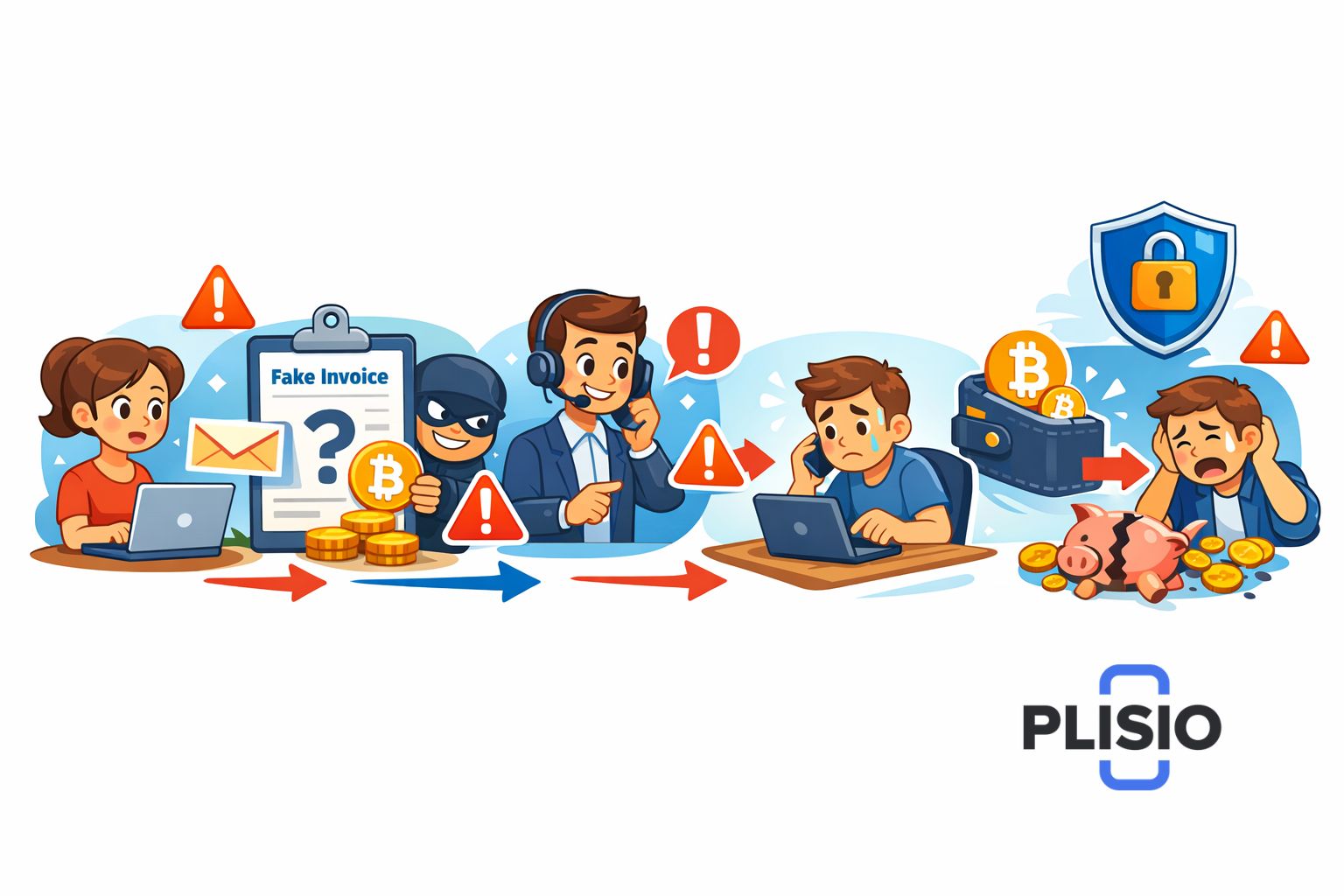
Other messages may arrive via sms or suspicious messages claiming you must verify your account. These phishing attempts frequently contain links that lead to a fraudulent email or website made to look authentic. The page may ask you to log in, attempting to phish your credentials.
If you receive a suspicious message, never click on any links or call any phone numbers provided. Instead, verify requests by logging directly into your paypal account through the official paypal website or the paypal app to verify transaction details.
Fake Invoice and Bitcoin Payment Requests
Invoice scams are increasingly common. You might receive an invoice for a bitcoin purchase you never made. This fake invoice may include urgent wording and a phone number to call. The goal is to panic you into taking action before you think clearly.
Some attackers use overpayment scams in combination with cryptocurrency. For example, a fraudster may send a payment and then claim there was an error, asking you to send the "difference" back in cryptocurrency.
If you receive an invoice you did not authorize, do not pay it. Instead, report any unwarranted invoices through the resolution center inside your paypal account. Always review account activity carefully before approving any paypal payment.
Warning Signs of Common Scams
Here are red flags that help you spot and avoid problems:
- A suspicious email asking for personal or financial information.
- Messages urging you to click any links immediately.
- Requests to send money in bitcoin or other cryptocurrency to resolve a dispute.
- Emails warning you to call a number due to suspicious activity.
- Messages that ask you to send account details outside the secure platform.
Legitimate PayPal communication will never pressure you to share sensitive data via email phishing or request payment outside normal platform processes.
How to Report Suspicious Activity
If you receive a suspicious email, forward it to [email protected]. You can also report suspicious emails and scam emails inside your paypal account using the complaint center or resolution center tools.
To report scams effectively:
- Forward it to [email protected] immediately.
- Do not reply to the sender.
- Do not download attachments that may contain malware.
- Report suspicious messages directly inside your account dashboard.
If money was lost due to fraudulent activity, consider contacting your bank and local police. Reporting quickly improves the chance of stopping further damage and strengthens data protection efforts.
Protecting Your PayPal Account
To secure your accounts, enable two-factor authentication and monitor account activity regularly. Always confirm requests by logging into your paypal account manually rather than trusting an email or website link.
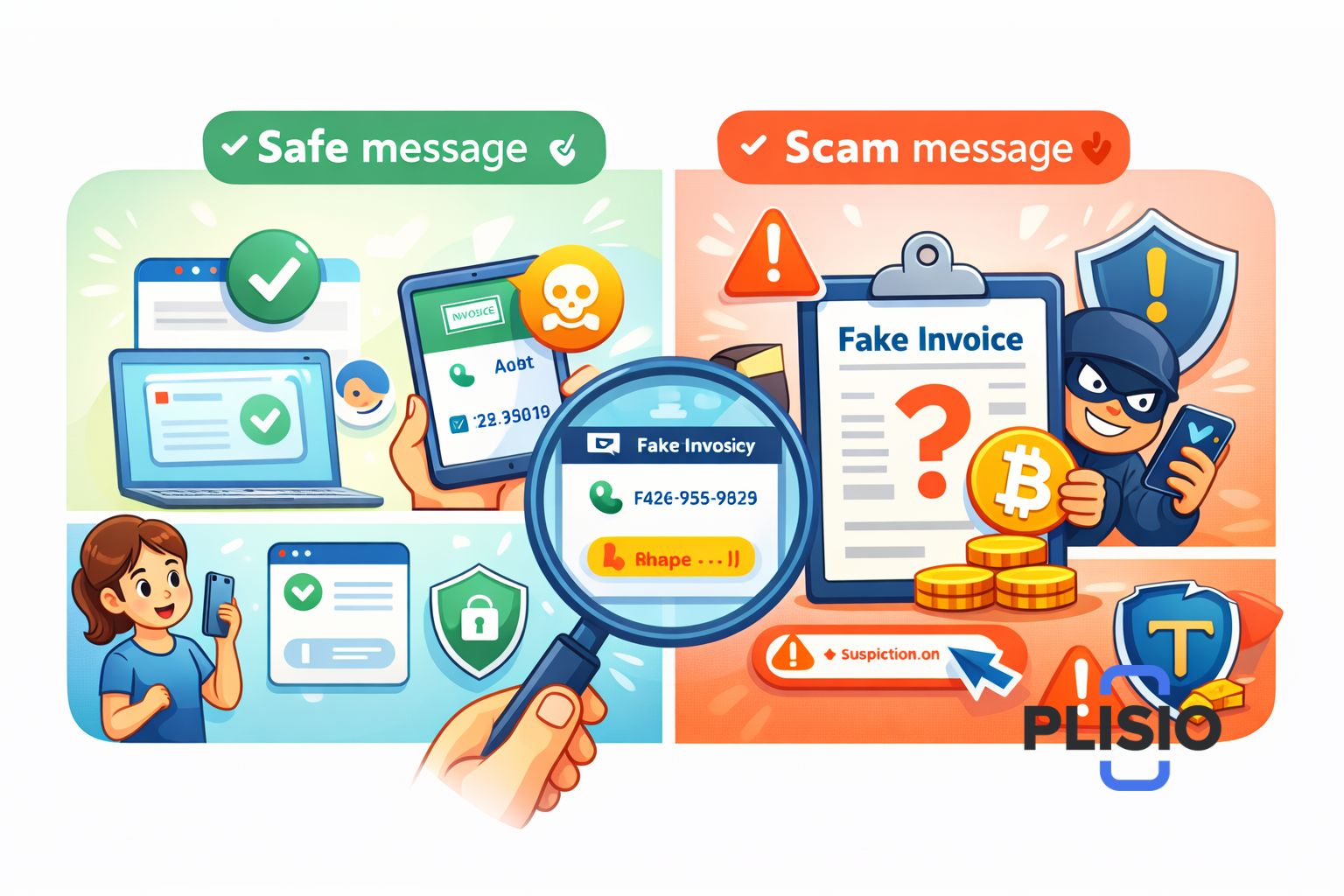
Avoid logging into your paypal account from unknown links. Access the paypal website or the paypal app directly to review transaction details. Be cautious of fake emails designed to look identical to official communications.
PayPal offers seller protection for eligible transactions, but this does not apply if you willingly send cryptocurrency to a scammer outside normal platform safeguards.
Final Thoughts on PayPal Bitcoin Scams
PayPal US and other regional services continue improving security systems, yet common scams evolve constantly. The combination of invoice scams, phishing, job scams, charity scams, and bitcoin-themed fraud has made awareness essential.
If you ever receive a suspicious message claiming unauthorized activity, pause. Verify the information using official channels. Never share personal or financial details, and never send money under pressure.
Staying alert is your strongest defense against paypal bitcoin scams. By recognizing phishing attempts, ignoring fake invoices, and reporting suspicious activity quickly, you dramatically reduce the risk of becoming a victim.