Best Crypto Debit Cards in 2026: A Practical Guide

The market for crypto payments has matured quickly. What used to be a niche tool is now a mainstream financial product. Today, a crypto debit card allows users to pay for everyday goods while keeping funds in digital assets. This guide explores the best crypto debit cards available in 2026, how they work, and what to consider before choosing one.
What Is a Crypto Debit Card?
A crypto debit card is a payment card linked to a crypto wallet. Instead of holding fiat currency, the card connects to your crypto holdings. When you pay, the card automatically converts your crypto into fiat.
Unlike a traditional debit card, which pulls funds from a bank account, a crypto card relies on a crypto wallet or a crypto exchange balance. In many cases, the card is a Visa card, meaning cards are accepted worldwide.
Some products also combine debit or credit functionality. For example, a crypto credit card allows users to borrow against your crypto instead of selling it.
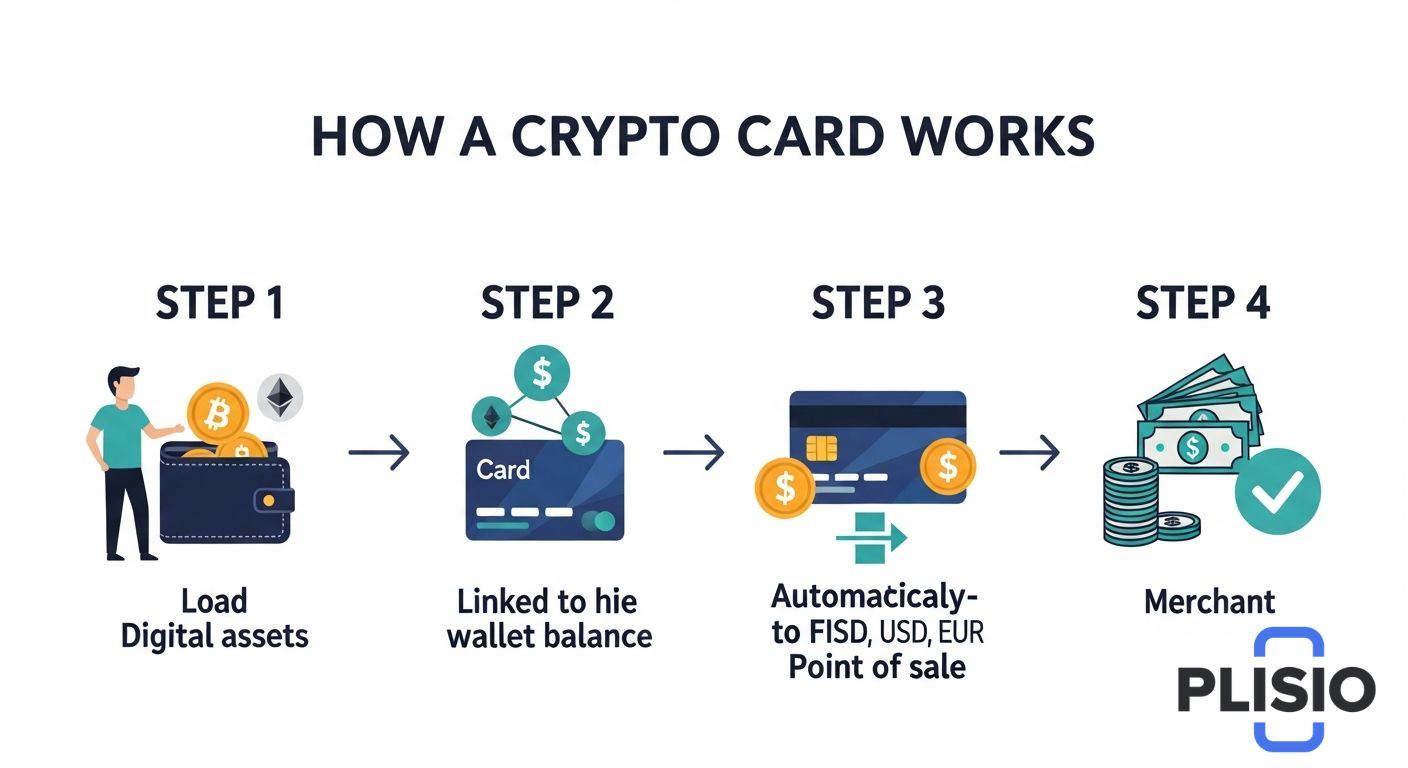
How a Crypto Card Works
Understanding how a crypto card works is essential before choosing one.
- You load your crypto assets into a wallet or exchange account.
- The card is linked to that balance.
- When you pay, the card automatically converts your crypto to fiat.
- Merchants receive traditional currency, just like with a regular credit card.
This system allows users to spend crypto anywhere traditional debit or credit networks are supported.
Top Crypto Debit Cards for 2026
Below is a comparison of popular crypto debit cards currently available.
|
Card |
Type |
Rewards |
Availability |
Key Feature |
|
Coinbase Card |
Debit |
Up to 4% crypto cashback |
US/EU |
Easy integration with exchange |
|
Bybit Card |
Debit |
Crypto rewards |
Global (select regions) |
Competitive fees |
|
Nexo Card |
Credit/Debit |
Up to 2% back in crypto |
EU |
Switch between credit and debit |
|
Gemini Credit Card |
Credit |
Crypto rewards |
US |
Instant rewards |
|
MetaMask Card |
Debit |
Limited |
Beta |
Direct wallet integration |
These top crypto cards differ in reward programs, supported assets, and fees.
Comparing the Top Crypto Cards
When comparing the top crypto cards, focus on real-world usability.
|
Feature |
Debit Cards |
Credit Cards |
|
Spend crypto |
Yes |
Optional |
|
Borrow against your crypto |
No |
Yes |
|
Interest |
No |
Yes |
|
Risk of liquidation |
No |
Yes |
A crypto debit card that lets you spend your crypto directly is often simpler for beginners.
Best Options by Use Case
Different users need different tools. Here are the best options depending on your goals.
- For everyday spending: Coinbase Card
- For earning crypto rewards: Gemini Credit Card
- For flexibility: Nexo Card
- For DeFi users: MetaMask virtual card
Each debit card that lets users pay with crypto has trade-offs between fees and rewards.
Key Features to Look For
Before choosing the best crypto debit solution, consider the following:
- Fees and exchange rates
- Supported types of crypto
- Availability in your region
- Security and custody of your crypto assets
- Reward programs and crypto cashback
Some cards make it easy to earn crypto rewards on everyday purchases, while others focus on low fees.
Advantages of Crypto Cards
Using a crypto debit card has several benefits:
- Spend your crypto without manual conversion
- Earn crypto cashback on purchases
- Access funds globally via a crypto Visa card
- Avoid traditional banking limitations
Cards make it easy to use crypto in real life without selling assets manually.
Limitations to Consider
However, there are still drawbacks:
- Conversion fees can vary
- Tax implications may apply
- Some cards are accepted only in certain regions
- Volatility of crypto is often a concern
Understanding these limitations is important when using a crypto payment card.
Debit vs Credit: Which One Is Better?
Choosing between debit or credit depends on your strategy.
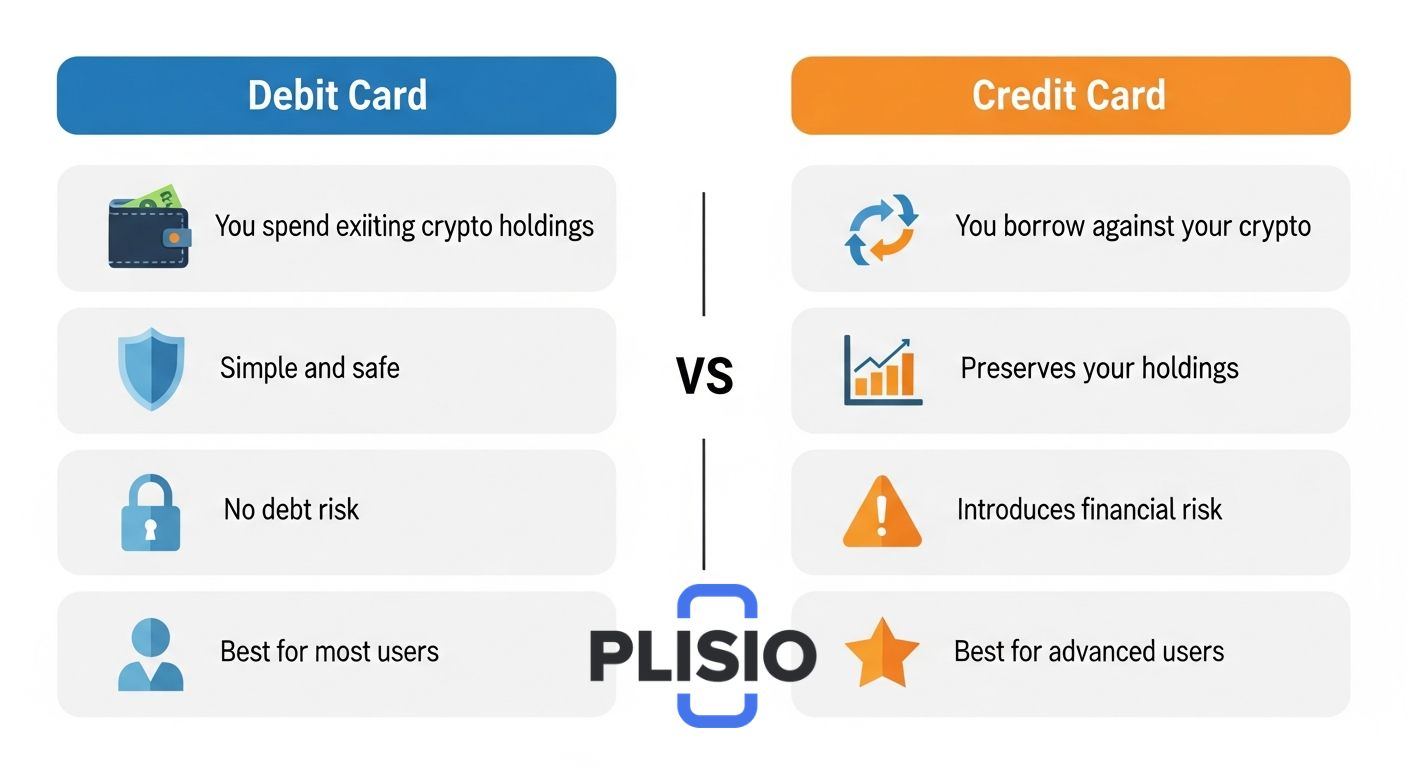
- Debit mode: You spend existing crypto holdings
- Credit mode: You borrow against your crypto
A crypto credit card may help you avoid selling assets, but it introduces risk. A debit card designed for simplicity is safer for most users.
The Rise of Hybrid Cards
Some providers now offer cards that switch between credit and debit. The nexo card is a good example, allowing users to toggle modes.
This hybrid approach combines flexibility with control, making it one of the top crypto debit innovations.
Future Trends for 2026
The next generation of crypto cards for 2026 is expected to focus on:
- Better integration with DeFi wallets
- Instant crypto to fiat conversion with lower fees
- More reward programs tied to staking
- Wider global availability
We also expect more card offering options from major exchanges.
Final Thoughts
The best crypto debit cards in 2026 offer a balance between usability, rewards, and security. Whether you want to spend crypto directly or use a crypto credit card, there are many strong options available.
As adoption grows, these cards will continue to evolve. For now, choosing the right crypto debit card depends on how you plan to use your crypto, your risk tolerance, and the amount of crypto you hold.
If your goal is simple payments, a debit card that offers straightforward conversion is the best choice. If you want more flexibility, a hybrid or credit card may be worth exploring.
Ultimately, the best crypto solution is the one that fits your daily financial habits and long-term strategy