Codes eTrueSports 2026 : Ultimate Guide to Unlock Gaming Rewards
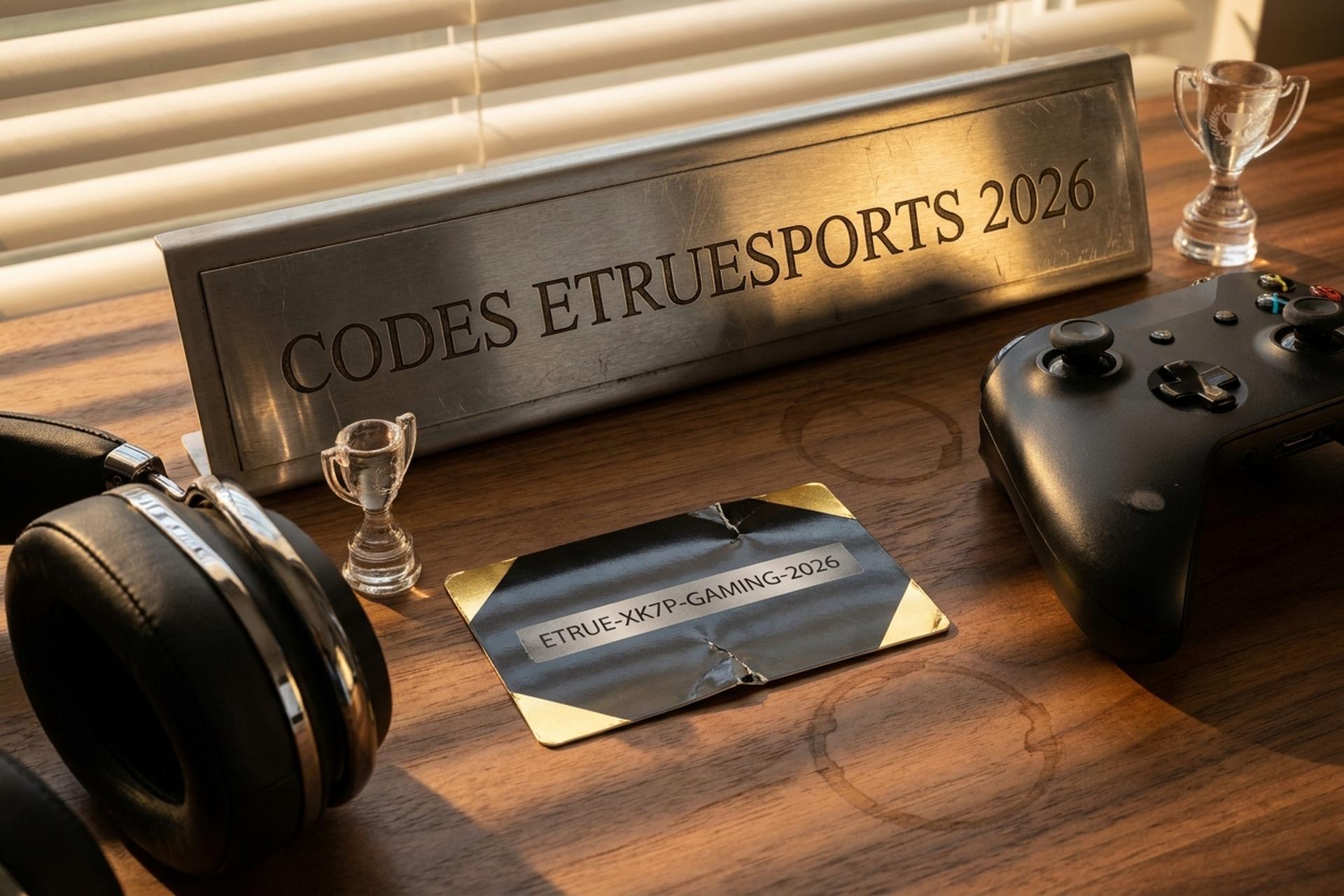
Ever finished a match in your favorite online game and seen a pop-up dangling free skins or virtual currency? Then you've already met the world codes eTrueSports describes. The phrase has two meanings sitting on top of each other. One is a hub of gaming reward codes you can redeem inside esports titles for cosmetics, in-game currency, or early access. The other? A section on the eTrueSports media platform that's really about coding: error handling, software development, the tech that's reshaping competitive play. By 2026, the line between a plain redeem code and a blockchain-based asset has gone fuzzy enough that both meanings are worth knowing.
This guide is written for beginners. No jargon. No filler. We'll walk through how to redeem codes eTrueSports safely, where to find new ones before they expire, and why the topic matters more than a free skin. It also covers something most guides skip: how crypto payments and on-chain rewards are quietly reshaping the economy underneath these short alphanumeric strings.
What Are Codes eTrueSports? A Plain-Language Definition
In their simplest form, codes eTrueSports are short alphanumeric strings (usually six to twenty characters of mixed letters and numbers) that unlock exclusive in-game content the moment you type them into the right place. Developers issue them. So do sponsors, streamers, and platforms across the eTrueSports ecosystem. Redeem one inside your account and the game drops the linked reward straight in: virtual currency, a skin, a temporary boost, an exclusive item, sometimes even early access to a new mode.
There's a second meaning living next to this one, and it's worth flagging up front. The eTrueSports media platform runs a section literally named "Codes." That section isn't about cheats or vouchers, though. It covers programming education for a gaming audience: error and warning codes, software development methods like TDD and BDD, plus how blockchain, VR, and wearables are creeping into competitive play. Search "codes eTrueSports" and you might land on either a redeem-code list or a coding tutorial. Both are legitimate. That overlap is part of why the keyword exploded this year.
The rest of this article is about gaming reward codes. That's what most readers came for. The broader ecosystem still matters, and it'll surface in the later sections.
Why eTrueSports Codes Matter for Gamers in 2026
A short string of characters doesn't look like much on its own. The economy behind it? Massive. Statista pegged the global esports market near $4.8 billion in 2025, with a forecast pushing it to roughly $5.9 billion by 2029 at a 5.56% CAGR. Zoom out to wider gaming and the numbers grow: Newzoo put global gaming revenue at $188.8 billion in 2025, with 58% of PC gaming revenue ($24.4 billion of $37.3 billion total) coming from microtransactions. Codes feed that machine. They're how studios reward loyalty, pull in new players, and convert casual viewers into active accounts.
For everyday players, the upside is more direct. Codes are usually free. They unlock exclusive items you'd otherwise have to pay for. They sharpen the overall gaming experience through XP boosts that nudge gameplay forward, or hand out early access to new content. They also hook you into gaming communities (Discord servers, subreddits, streamer chats) where codes drop first. No technical skill required. Just the habit of checking the right channels.
One more layer worth knowing. Some skins and exclusive items earned through codes carry real secondary-market value. Juniper Research valued the global trade of in-game items, including cosmetics that started life as code rewards, at around $16.7 billion as of 2018, and most analysts put the figure considerably higher today thanks to Roblox-style platforms (Roblox alone reported $4.9 billion in 2025 revenue with 126.5 million daily active users, per its 10-K filing). A code is not always a free perk. Sometimes it's an asset you can sell.
Types of eTrueSports Codes You Can Use
Not every code does the same job. Players who use codes etruesports regularly learn to spot the differences fast. Wrong assumption, missed reward.
Four main categories show up for beginners:
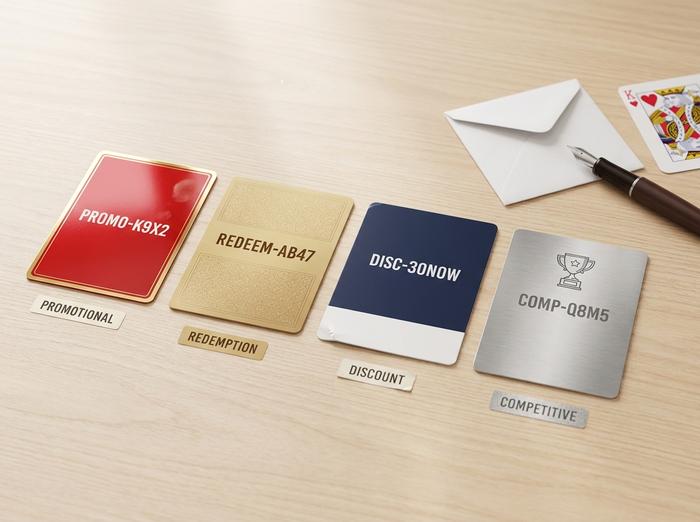
- Promotional codes: temporary marketing rewards tied to a launch, an anniversary, or a partnership. They expire fast, sometimes inside an hour or two. Most hand out cosmetics or small currency drops.
- Redemption codes: single-use codes that ride along with a purchase, subscription, or physical convention pass. They tend to last longer and tend to unlock heavier rewards.
- Discount codes: these knock down the price of in-game purchases, season passes, or DLC at checkout. Think of them as a coupon you'd find at any e-commerce checkout.
- In-game competitive codes: rarer, but they hand out access to analytics tools, beta programs, or tournament entry. Usually tied to esports platforms and pro events.
The table below summarizes how the four types compare for a beginner choosing where to focus first.
| Code Type | Typical Reward | Validity Window | Where You Get It | Best For |
|---|---|---|---|---|
| Promotional | Cosmetic skin, virtual currency, XP boost | Hours to a few days | Official social pages, livestreams | Quick wins, new players |
| Redemption | Exclusive items, characters, expansions | Weeks to permanent | Retail purchases, conventions, subscriptions | Long-term collectors |
| Discount | Percentage off in-game store | Days to weeks | Newsletters, partner sites | Spenders cutting costs |
| Competitive | Tournament access, beta, analytics | Event-bound | Esports platforms, sponsors | Aspiring competitive players |
A fifth "category" exists in name only: third-party "free" codes from unknown websites or chat links. These are almost never legitimate. Most are phishing setups built to harvest account credentials. Treat them as fake codes by default. In December 2024, the FTC refunded $245 million to Fortnite players over deceptive in-app design, separate from phishing but a useful reminder that the consumer-protection scaffolding around in-game purchases is still being built. The rule is simple. If a site offers free rewards in exchange for your password, the rewards are not real.
Where to Find Codes eTrueSports via Official Channels
Finding codes eTrueSports is half the battle. The other half is filtering noise from real opportunities. Codes get released through a small handful of recurring channels, and most of them are public.
Official channels are by far the most reliable. We're talking developer websites, in-game news tabs, and verified social pages on X, Instagram, Facebook, and YouTube. They push new codes during major updates, anniversaries, or live events. If a code drops anywhere first, it's usually here.
Gaming communities are the strongest secondary source. Discord servers run by developers and fan groups often pass around newly discovered codes within minutes of release. Reddit threads for specific titles tend to keep pinned posts with active codes and expired codes lists. Newsletters from publishers and esports platforms quietly send early codes to subscribers, sometimes as a perk for joining.
Live streams deserve a separate mention. Codes during live tournaments and developer streams are typically flashed on screen for a short window, and redemption servers buckle as thousands of viewers race to enter the code. Open the redemption page in another tab before the code drops. For beginners, that one habit changes everything.
A short trust hierarchy helps when you are unsure about a source:
- Official developer site and verified social account → safe.
- Subreddit pinned post or established Discord server → usually safe, but verify in-game.
- Random YouTube video with a code in the title → check the comments for confirmation before trying.
- Generic "free codes generator" site → never use.
The same hierarchy applies to legitimate codes versus fake codes. If a code only appears on one obscure site and nowhere else, the odds it is fake are high.
How to Redeem Codes eTrueSports Step by Step
So you've got a valid code in hand. What now? Redemption itself is dead simple. The path for codes eTrueSports varies a bit across mobile, console, and desktop, but the rough shape is the same. Open the right menu. Type the code exactly as it appears. Confirm.
On mobile, fire up the app, jump to settings or the shop section, then hunt for "Redeem Code," "Promo Code," or "Gift Code." Some publishers push this flow out to a dedicated web portal to cut down on in-app fraud. In that case you log in through a browser and enter the code there. The reward usually drops into your inventory or mailbox inside a few minutes.
For esports platforms and PC clients, redemption runs through the platform, not the individual game. Steam users go through the client (Games → Redeem a Steam Wallet Code, or Activate a product on Steam). PlayStation users find Redeem Codes inside the PlayStation Store account settings. Xbox? Microsoft Store. Nintendo Switch? The eShop. Whatever you redeem attaches to the platform account, not to a single title.
Then there are dedicated redemption sites run by big publishers like Riot, miHoYo, or Activision. Log in with your publisher account, paste the code into the box, hit confirm. That extra hop adds account verification and keeps the redemption flow consistent across every title the publisher operates.
A quick five-step checklist works for almost every codes eTrueSports redemption:
1. Copy the code from a trusted source. Don't retype if you can paste. That alone kills most typos.
2. Sign into the correct account on the matching platform.
3. Open the redemption page or the in-game settings menu.
4. Paste the code exactly as provided. Codes are usually case-sensitive.
5. Confirm. Then check your inventory or mailbox for the reward.
When a code refuses to work, blame falls on one of three things: it expired, it's region-locked, or you fat-fingered a character. Fix the typo and try once more. That solves the vast majority of cases.
Tips for Using Codes eTrueSports Without Mistakes
The single most common rookie mistake? Treating codes as evergreen. They aren't. Most expiration dates are measured in hours or days, and a code that worked yesterday almost never works tomorrow. Tips for using codes eTrueSports start with one habit: redeem fast, redeem early.
A handful of practical habits cut down most mistakes:
- Always copy and paste. Codes are alphanumeric and usually case-sensitive. Mistake a "0" for "O," or "1" for "l," and the entry dies.
- Use codes during major updates or live events. That's when publishers drop the highest-value rewards. Watch the stream with the redemption tab already open.
- Track expiration dates. Pinned community lists usually mark when each code expires. Calendar reminders help when codes drop at fixed times.
- Stay away from third-party generators. None of them are real. Anything claiming to "generate" working codes is a scam designed to harvest credentials.
- Double-check before redeeming on a new account. Some codes are one-per-account. If you've already used it, don't assume it works on a second account. Many publishers block that and may flag the second account for review.
- Lock the account down. Two-factor authentication is non-negotiable. The reward from any single code is rarely worth the cost of a stolen account.
- Watch regional restrictions. Codes released for a specific region may flat-out fail elsewhere. A code meant for another region can cost you the reward, and in rare cases flag your account.
Codes carry expiration dates, and most have redemption caps. A common rookie error: finding a code in a months-old article and assuming it still works. By 2026, most expire inside a week of release, and the highest-value ones inside hours.
Codes, Crypto Payments, and the New Gaming Economy
Most code guides skip this part. It's also where the topic actually gets interesting.
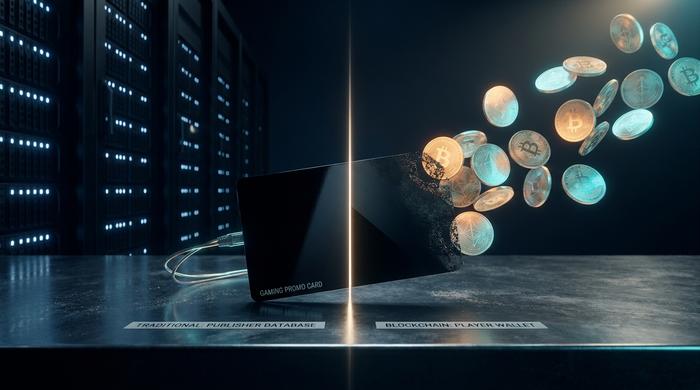
The plumbing beneath codes eTrueSports is changing. For years, a redeem code unlocked a database entry sitting inside a publisher's servers. The reward existed only there. If the publisher shut the game down, the reward vanished with it. By 2026, that's no longer the only model in town.
Three shifts are worth wrapping your head around, even as a beginner:
Crypto payments for game keys and bundled codes. Crypto payment processors now let publishers and resellers accept stablecoins for game keys, subscriptions, and bundled code packs. Stripe processed about $9 trillion in stablecoin volume between October 2024 and October 2025, an 87% jump year-over-year per its Sessions 2025 keynote. The infrastructure is no longer experimental. Someone in a country where local card processing is restrictive can buy a redemption code with stablecoins and use it the same day, with faster settlement and no chargeback risk for the seller.
Blockchain-issued rewards. Titles built around player-owned economies issue rewards as on-chain assets instead of database entries. Redeeming the code triggers a smart contract that mints or transfers a token to your wallet. The reward then exists on a public ledger and can be moved or traded outside the game's marketplace. Most common in crypto-native titles for now, though it's started to spill into mainstream esports collaborations. DappRadar reports that gaming dapps still drove about 28% of all dapp activity in October 2025, even as Web3 gaming funding fell 93% year-over-year in Q2 2025 and over 300 Web3 game titles shut down. The space is real but contracting.
Wallet-based identity. In a small but growing slice of games, your wallet address is the account. A code in this context unlocks content tied to wallet ownership instead of a username and password. That removes some phishing vectors and adds new ones. Malicious smart contracts that drain wallets when signed are a real risk. Beginners should never sign any contract they don't understand, the same way they avoid sketchy code generator sites.
The table below contrasts the traditional model with the emerging one.
| Aspect | Traditional Code Model | Blockchain-Based Code Model |
|---|---|---|
| Reward storage | Publisher's database | Public blockchain (player's wallet) |
| Persistence | Lost if game shuts down | Survives game shutdown |
| Transferability | Usually account-bound | Tradable on open markets |
| Settlement speed (paid codes) | Minutes to days via card networks | Seconds via stablecoins |
| Chargeback risk for sellers | High | Structurally near zero |
| Risk to player | Account theft via phishing | Wallet drain via malicious contracts |
| Mainstream adoption (2026) | Dominant | Growing in select titles |
For now, most codes eTrueSports operate on the traditional model. The blockchain shift is real but partial. Beginners who pay attention to both will be better placed when their favorite title moves to the new rails. And more titles are doing exactly that each year.
The Future of Codes eTrueSports and Online Gaming
A few trends will shape what comes next for codes eTrueSports. None of them are speculative. Each is already visible in shipped products or studio pilots.
The future of codes eTrueSports is bending toward personalization. Studios are testing AI that generates codes tailored to a player's behavior. A weekend-only player might get a different code than someone who logs in daily. The codes stay alphanumeric. The reward gets less one-size-fits-all.
VR integration is expanding. eTrueSports platforms have started issuing codes that unlock VR-exclusive content, mostly cosmetic so far, with deeper experiences pencilled in for 2027–2028. Wearables (fitness rings, smart bands, biometric controllers) will probably plug into reward systems the same way, handing out codes for in-game items based on real-world activity.
Cross-platform support is finally going mainstream. A code redeemed on PC will more often unlock the matching reward on console and mobile, killing the old friction of platform-locked rewards. It's a server-side change for the most part, but for players it makes codes more flexible and more useful.
Blockchain integration will keep rolling out, with smart-contract redemption replacing chunks of the manual verification publishers do today. Verifiable, automatic, faster. That's the direction of travel.
Final Take on Codes eTrueSports in 2026
Codes eTrueSports look small. The system around them isn't. They sit at the meeting point of marketing, retention, security, and the new digital economy gaming is being rebuilt on. The practical takeaway for a beginner is simple. Use codes from official channels, redeem them fast, never trade your password for a free skin.
The bigger takeaway? Codes aren't throwaway promo material anymore. They're entry points into player-owned economies, crypto-paid distribution, and the way studios will design loyalty for the next generation of esports. Players who treat them seriously today will adapt faster when the rest of the system catches up. Players who are just here for free in-game currency still come out ahead. Both audiences win, and that's rare for a gaming mechanic. Using a code etruesports today is a small step into a much bigger system, and that's exactly why it pays to know how to unlock rewards safely.