Bitcoin Faucet: Dripping Satoshi into the Digital Age
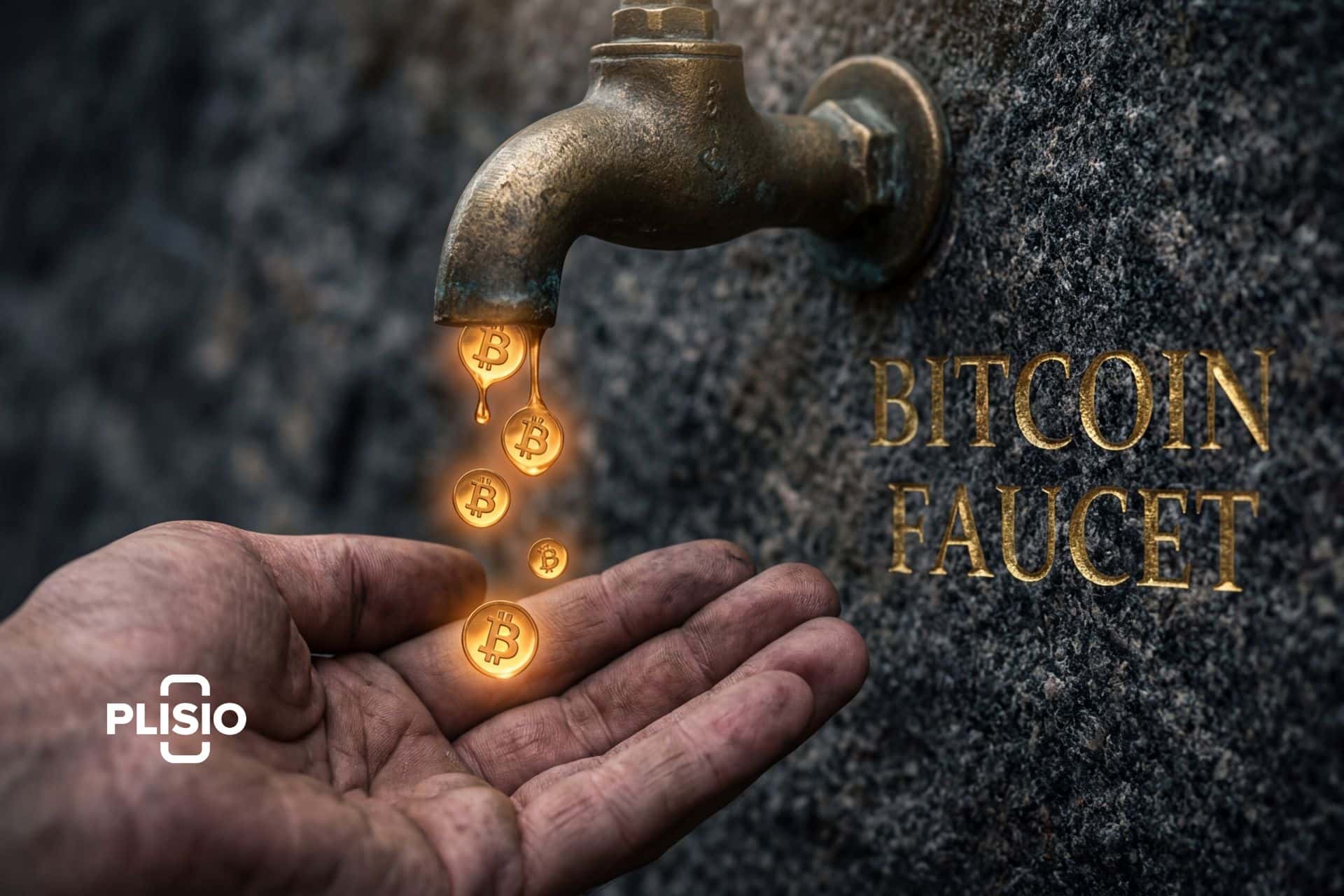
In 2010, a Bitcoin developer named Gavin Andresen built a website that gave away 5 BTC to anyone who solved a captcha. Five whole bitcoin. Per person. At today's prices that's over $350,000 per click. He just wanted people to try Bitcoin because almost nobody owned any and there was no easy way to buy it.
That was the first bitcoin faucet. The concept survived, but the payouts didn't. Modern faucets hand out 10-100 satoshis per task, which is worth roughly a fraction of a cent. You're not getting rich. You're not even getting lunch money. But faucets are still around in 2026, millions of people use them, and they actually serve a purpose if you understand what that purpose is.
Let me explain what a bitcoin faucet actually is, how these platforms work, which ones are legit, and whether they're worth the time you'd spend on them.
What is a bitcoin faucet
Picture one of those "get paid to take surveys" websites, but instead of PayPal credits you get bitcoin. That's a faucet. You solve captchas, watch 30-second ads, play browser games, take surveys, click through offers. In return, the site drips tiny amounts of crypto into your account. The name makes sense: it drips like a leaky tap. Slowly. Constantly. In amounts so small you almost can't measure them.
Bitcoin faucets pay in satoshis. One satoshi = 0.00000001 BTC. With BTC around $71,000, that's $0.00071 per sat. Most faucets offer 10-100 satoshis per task. So you're earning somewhere between seven-tenths of a cent and seven cents per action. I'll save you the calculator: it takes roughly 14 tasks at 100 sats each to earn a single dollar. If each task takes a minute, that's 14 minutes for $1. Not exactly lucrative.
Why does anyone run these? Ad money. You watch ads, the faucet operator collects ad revenue that's worth more than the satoshis they pay you. The difference is their profit. It's actually a decent business model. The other reason is onboarding. Faucets give people who've never touched crypto a way to get their first satoshis, set up a wallet, and experience a real blockchain transaction without risking anything. That part has genuine value, even if the dollars don't.

How crypto faucets work
Pretty much every faucet works the same way. You sign up, give them a wallet address, do whatever they ask you to do (captchas, watch a 30-second ad, click through a survey), and satoshis show up in a little micro-wallet inside the platform. You don't get to withdraw right away. There's always a minimum threshold, and that's where the frustration lives.
Say the minimum withdrawal is 50,000 satoshis. That's around $35. The faucet pays 50 sats per task. So that's 1,000 tasks before you can take your money out. Each task takes 30 seconds if you're quick. We're talking 8+ hours of clicking for $35. That works out to $4.37 an hour. Every state in America pays more than that as minimum wage.
Most faucets also time-lock claims. One per hour. One every 30 minutes. One per day. It's to stop bots, and it makes sense from the operator's side. But it means you can't even grind it out fast. You're doing this across days or weeks.
Nobody on the faucet review sites does this math for you. I just did. Make your own call.
Mainnet faucets vs testnet faucets
People mix these up constantly and it causes real confusion.
Mainnet faucets hand out real crypto. Actual BTC, actual ETH, actual Litecoin. Tiny amounts, but coins you can sell on Coinbase if you wanted to. When someone says "bitcoin faucet," this is what they mean.
Testnet faucets are for developers. They give out test tokens on networks like Ethereum Sepolia. These tokens look like ETH in your wallet but they're worth exactly nothing. You can't sell them. You can't trade them. They exist so programmers can test their code without burning real money. If you're building a DeFi app, testnet faucets are part of your daily workflow. If you're a normal person trying to earn free bitcoin, testnet tokens are useless to you.
The big testnet faucets: Alchemy gives 0.5 Sepolia ETH per day. QuickNode does 0.05 every 12 hours. GHOST Faucet drips 0.01 daily. All free, all for developers only.
I bring this up because I've seen people claim satoshis on some faucet, see "Ethereum" on another, and not realize one is real money and the other is play money. Know which one you're using.
Best bitcoin faucets that actually pay
Fair warning: most "best faucet" lists are affiliate bait. Sites rank whatever pays them the highest referral cut, not whatever's actually good. I'm skipping that game. These platforms have been around long enough that people have verified they actually pay out:
FreeBitco.in. Running since 2013. Over a decade in a space where scam faucets appear and vanish every week. Hourly BTC claims, a multiply game, interest on balances. Won't make you rich. Does pay.
Cointiply. Multi-task setup: surveys, videos, offer walls, browser games. Pays in BTC. Uses its own internal point system (50,000 coins to withdraw, not satoshis). Having different task types helps because pure captcha grinding makes you want to throw your laptop out the window.
Fire Faucet. Not just Bitcoin. Supports ETH, Litecoin, Dogecoin, a bunch of others. Has an auto-claim feature that runs through multiple faucets for you. Less clicking.
Bitcoinker. Dead simple. Claim every 5 minutes. Get satoshis. Withdraw at 20,000 sats. No games, no surveys, just the drip.
| Faucet | Year started | Payout type | Claim frequency | Minimum withdrawal |
|---|---|---|---|---|
| FreeBitco.in | 2013 | BTC | Hourly | 30,000 satoshis |
| Cointiply | 2018 | BTC | Per task | 50,000 coins |
| Fire Faucet | 2019 | Multi-crypto | Auto-claim | Varies by coin |
| Bitcoinker | 2014 | BTC | Every 5 min | 20,000 satoshis |
The risks you need to know about
Faucets operate in a gray zone where legitimate platforms and outright scams coexist. Here's what to watch for.
Data harvesting. Some faucets collect your email, IP address, and wallet information not because they need it for payouts but because they sell it. Use a separate email for faucet signups. Never use the same password as your main exchange account. A dedicated faucet wallet that's separate from your main holdings is smart practice.
Malware. Sketchy faucet sites can push downloads, pop up fake "wallet update" prompts, or embed scripts that try to grab clipboard data (specifically, crypto addresses you copy-paste). Run an ad blocker. Don't download anything a faucet tells you to.
Fake platforms. QoinPro was a faucet that promised daily deposits. People used it for months. Then withdrawals stopped working. Then the site went dark. Textbook exit scam. If a faucet seems too generous, it probably is.
Counterfeit tokens. Some faucets distribute tokens that look real but have no actual market value. They show up in your wallet and might even have a price listed on some obscure DEX, but you'll never be able to sell them for real money.
The rule of thumb: if a faucet asks you to deposit crypto before you can withdraw, it's a scam. Faucets give crypto away. They don't ask for yours first.
Is a bitcoin faucet worth your time?
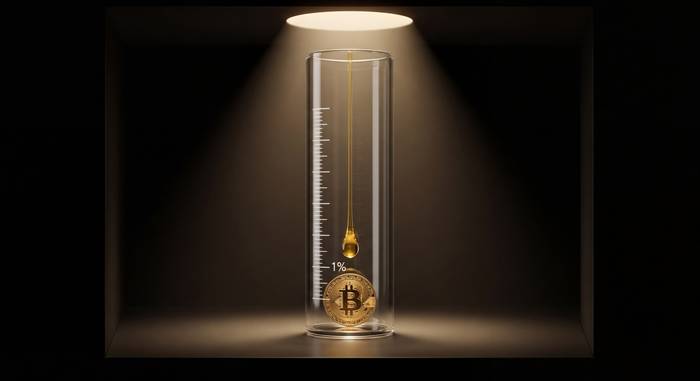
Honestly? For making money, no. The hourly earnings are so low that any freelance gig, part-time job, or even selling old stuff on eBay would pay more. If your goal is income, faucets are the worst-paying option in crypto and outside of crypto.
For learning, though? There's real value. If you've never set up a wallet, never received a transaction, never checked a balance on a blockchain explorer, a faucet lets you do all of that with zero financial risk. You're playing with house money. For complete beginners in countries where exchange access is limited, that hands-on experience matters.
For developers, testnet faucets are genuinely useful tools that you'll use regularly when building and testing applications.
And for faucet operators, it's a legitimate business model. Attract traffic, serve ads, share a cut with users. Some operators earn solid ad revenue from high-traffic faucet sites. If you're thinking about crypto from the business side rather than the user side, the faucet model has legs.
But for the average person looking at crypto in 2026? Buy $10 of bitcoin on an exchange. You'll learn the same lessons and end up with more BTC than a month of faucet grinding.