Rhodium Price Prediction 2026-2030
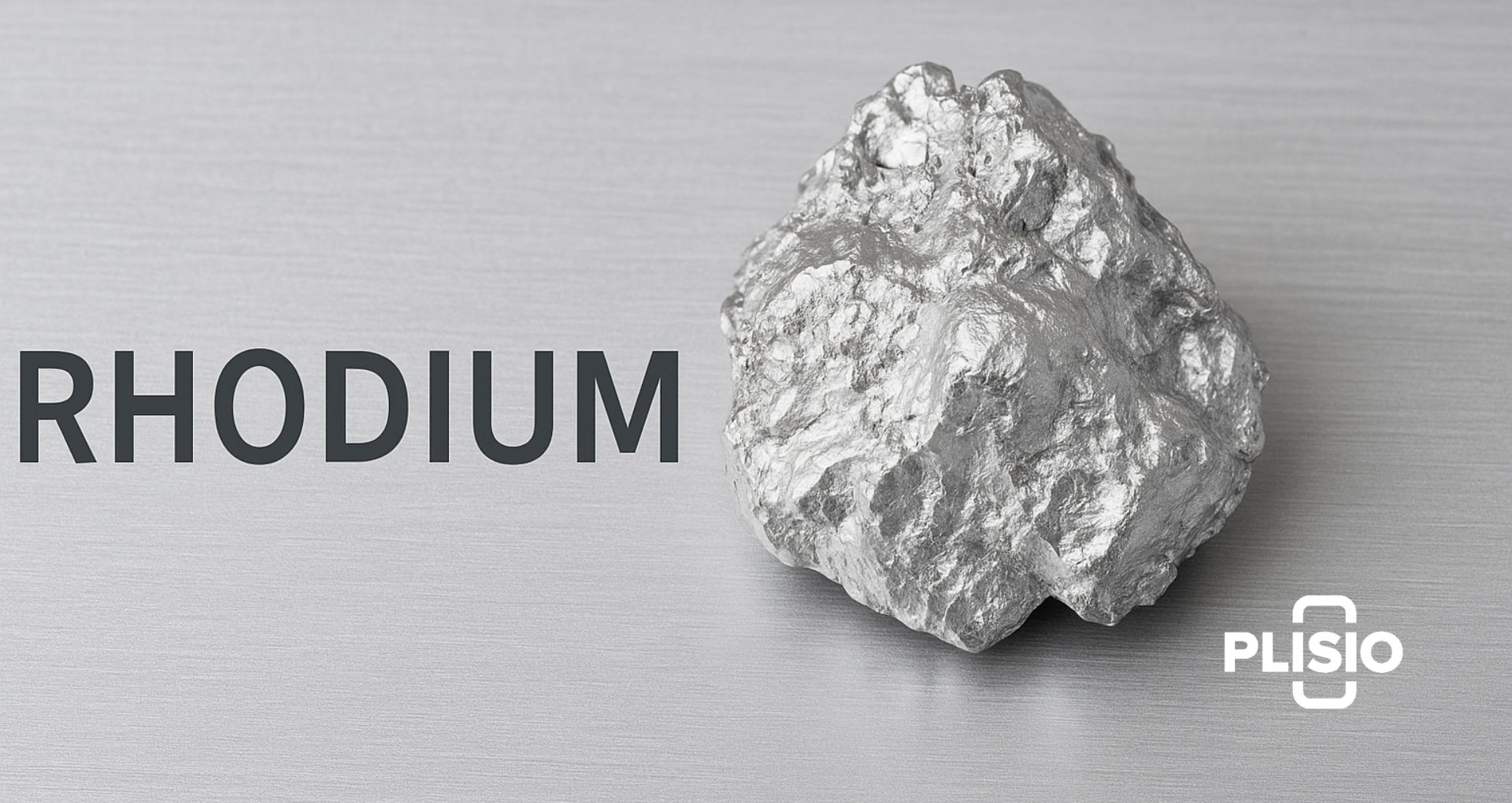
Rhodium is one of the rarest and most valuable precious metals on Earth, with current pricing levels reflecting its limited supply and intensive industrial demand. As of December 2025, the spot price for rhodium typically ranges between $7,950 and $8,300 per ounce, which translates to approximately $264 to $283 per gram. This unusual price level results from both scarcity and strong reliance on the metal in key industrial sectors.
Market Position and Industrial Importance
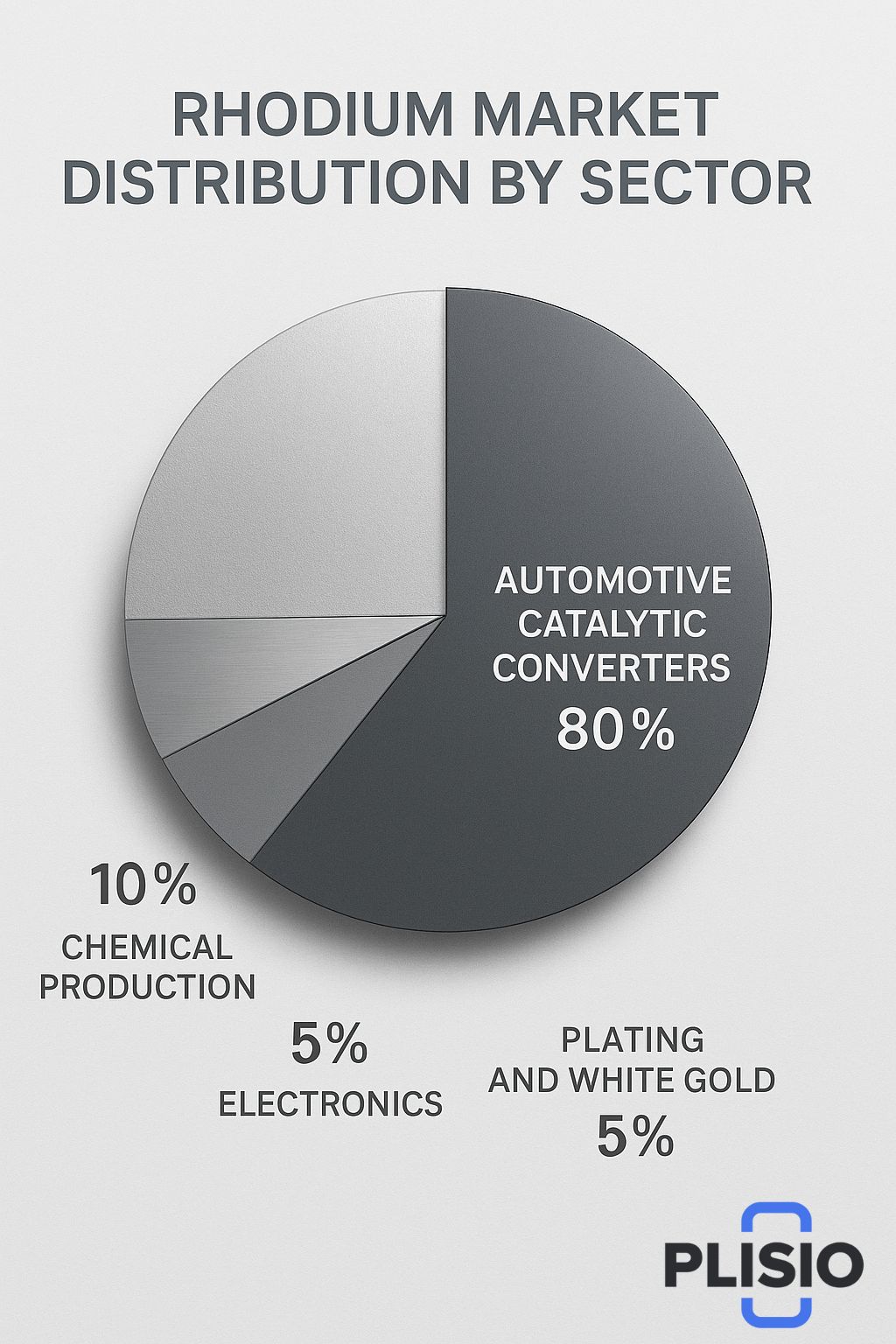
Rhodium is vital in the global automotive industry due to its efficiency in reducing harmful vehicle emissions, especially nitrogen oxides. It is a primary component in catalytic converters, where it plays a crucial role in controlling emissions and ensuring compliance with tightening environmental regulations. Its exceptional resistance to corrosion and high melting point make it one of the most durable metals used in automotive and industrial applications.
The metal’s industrial reach expands beyond emissions systems. Rhodium is used for plating, electrical contacts, and in the production of nitric acid and acetic acid. Its catalytic strength also keeps it in demand for hydrogenation and other high‑temperature chemical reactions.
Production and Supply Conditions
Global supply of rhodium remains tight because rhodium is not mined independently. Instead, it appears as a byproduct of platinum and palladium extraction, with South Africa providing the majority of overall output. Any mining slowdown, power instability, labor restriction, or geopolitical disruption can sharply impact availability. This explains why rhodium frequently experiences drastic price swings, even when other metals remain steady.
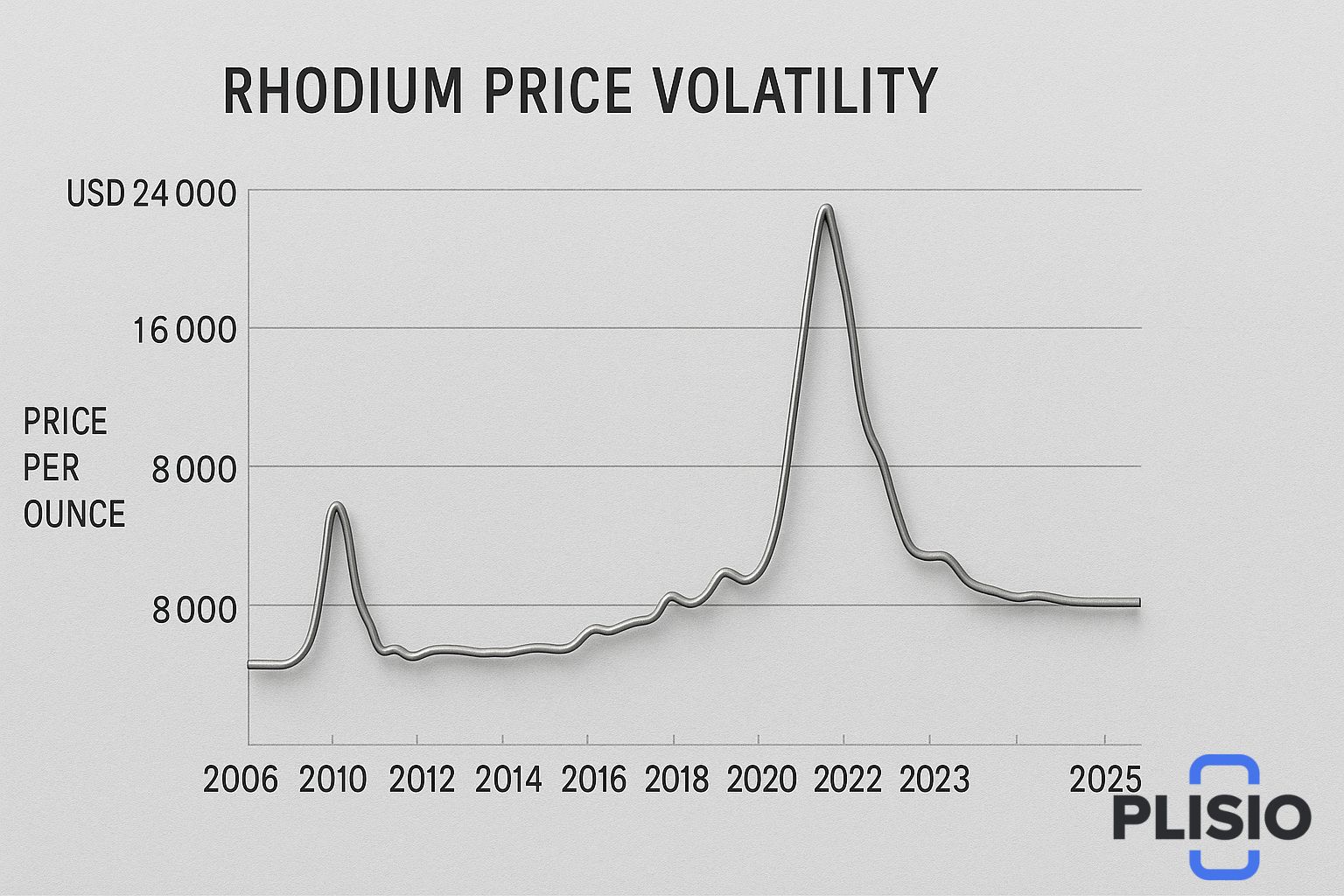
Rhodium’s recent history highlights its tendency toward extreme volatility. The metal surged to nearly $30,000 per ounce in 2021 before declining to around $6,500 per ounce in 2023, and eventually settling near $8,000 per ounce in 2025. These swings demonstrate how even slight changes in automotive demand or supply structure can impact long‑term pricing.
Historical Pricing Overview
|
Period |
Approximate Price and Driver |
|
2000s mid‑cycle |
Low valuations due to minimal industrial strain |
|
2008 |
Spiked close to $9,500 per ounce amid strong automotive demand |
|
2021 |
Reached nearly $30,000 per ounce during a global supply squeeze |
|
2023 |
Fell to around $6,500 per ounce as demand normalized |
|
2025 |
Stabilized near $8,000 per ounce after sector realignment |
The Rhodium Market Outlook
Market forecasts for rhodium across 2025 and 2026 underline the continued importance of catalytic systems. Although electric vehicles will eventually reduce demand for catalytic converters, internal combustion and hybrid vehicles continue to dominate global fleets. Tightening emission standards and elevated nitrogen oxide limits in major markets help maintain strong purchasing needs.
Key Influencing Factors
- Automotive sector trends, including hybrid expansion
- Changing emission control policies
- Recycling developments in catalytic converter processing
- Manufacturing conditions in South Africa and other PGM regions
- Technological shifts in catalyst formulation
Recycling is expected to remain essential, especially as automotive components reach end‑of‑life cycles. Recovery of rhodium from catalytic converters will balance future production constraints, although rising recycling volumes may eventually press prices downward.
Forecast Scenarios for 2026
Stabilization Case
If hybrid and internal combustion vehicle production stays steady, rhodium could remain in the $8,000 to $9,500 per ounce range through 2026.
Upside Case
If emission restrictions tighten further and mining regions face material disruption, rhodium pricing could reach or exceed $10,000 to $12,000 per ounce.
Downside Case
In the event of rapid electric vehicle expansion or significant substitution technologies in catalyst formulation, prices could fall toward $5,000 to $6,000 per ounce.
Extended Market and Industrial Dynamics
Rhodium plays a central role in emission control, especially in catalytic converters used within the automotive industry and broader automotive sector. As a precious metal with exceptional resistance to corrosion and high melting point, rhodium remains the most effective catalyst for reducing nitrogen oxide and vehicle emissions generated by internal combustion engines. Its resistance to corrosion and high durability continue to justify its application in catalytic converters.
The industrial applications of rhodium extend beyond the automotive sector. In addition to its catalytic role in the production of nitric acid and production of acetic acid, rhodium is also valued for hydrogenation, acetic acid synthesis, conductivity and corrosion resistance in electrical contacts, and used for plating in luxury finishes including white gold. Rhodium catalysts retain their dominant status thanks to exceptional catalytic properties and corrosion and high melting point efficiency.
Expanded Supply and Recycling Considerations
Rhodium supply continues to be tightly connected to platinum and palladium extraction, as well as pgm mine output. Rhodium production remains heavily dependent on South Africa, which serves as the global market anchor for platinum group metals and platinum group extraction. Any disruption—including power shortages, social unrest, labor strikes, or mining delays—can impact rhodium availability and trigger immediate price swings. Such disruption threatens the stability of the rhodium market and reinforces risk exposure in the wider sector.
Recycling continues to grow in significance as demand and price calculations balance global rhodium usage. As catalytic converters age, recycling helps stabilize rhodium supply and support industrial continuity. The demand for catalytic converters remains strong despite electric vehicles becoming more prominent.
Additional Market Indicators
|
Key Metal |
Function |
Notes |
|
Rhodium |
Primary catalyst in automotive catalytic converters |
Highest resistance to NOx formation and emission breakdown |
|
Iridium |
Secondary pgm used in corrosive environments |
Reinforced durability in high-heat systems |
|
Platinum and palladium |
Support catalysts in converter systems |
Typically paired with rhodium in converter alloy design |
Global rhodium analysis suggests that overall demand for rhodium remains sensitive to emission standards and tighter fuel regulations. Price forecasts lean conservative, yet the rhodium price forecast still positions rhodium as a stabilizing component in industrial planning through 2026.
Sector Trends and Market Outlook for 2025–2026
The platinum group market report indicates that pgm values remain subject to restructuring. Physical rhodium availability is expected to remain restricted, and industrial reinforcement in the electronics industry keeps rhodium’s application relevant. The transition toward electric vehicles will impact rhodium’s price, but internal combustion and hybrid systems will remain in market circulation well into 2030.
The market for rhodium continues to demonstrate high sensitivity to supply chain disruptions, particularly those located in South Africa. Metals Focus data confirms that platinum, palladium, and rhodium remain critical to automotive catalytic converters and industrial emissions management.
Market Drivers Summary
- Rhodium in catalytic converters remains the most effective emission reduction catalyst
- Increasing regulatory pressure on NOx emissions will continue to impact rhodium
- Rhodium availability from pgm extraction remains limited and subject to disruption
- Recycling stabilizes, but does not replace, mining output
- Price swings remain a defining characteristic of global rhodium commerce
Investment Considerations and Future Movement
Gold and silver remain traditional investment metals, yet rhodium plays a strategic industrial role. Rhodium’s price continues to fluctuate more dramatically than gold and silver because demand and price calculations reflect compliance urgency rather than decorative value. The historical chart shows dramatic variation in rhodium’s price trajectory.
Market trends demonstrate intense sensitivity to automotive regulation, while industrial users continue to reinforce rhodium’s necessity for emission control. As emissions law continues strengthening, rhodium’s role within catalyst design—especially component in catalytic converters—will remain essential.
While rhodium’s price remains volatile per ounce and per gram, long-term stabilization will depend on pgm mining strategy, expanded automotive catalytic converters recycling, and alternative catalyst research in acetic acid and nitric acid synthesis.
Summary
Rhodium price remains a defining industrial benchmark. Forecast energy-sector expansion, metals extraction challenges, and environmental regulation all impact rhodium. Rhodium’s role in nitrogen oxide breakdown, catalysis strength, rhodium catalysts precision, and emissions alignment define its critical function. As the global market evolves from internal combustion toward electrification, rhodium’s industrial applications ensure it retains relevance, even as electric vehicles expand.
Industrial, environmental, and catalytic technology developments will continue shaping rhodium’s future trajectory through 2026 and beyond. Rhodium’s price remains subject to volatility, but also remains a cornerstone asset in emission control, catalytic integrity, and pgm chemistry.