Cronos (CRO) Price Prediction: 2026, 2030, 2040–2050

The discussion around Cronos price prediction continues to grow as the crypto market matures and infrastructure-focused assets gain attention. Cronos is no longer seen only as a loyalty or exchange ecosystem token. Instead, it is evolving into a full blockchain platform supporting DeFi protocols, NFTs, payments, and cross-chain infrastructure.
As of 2026, the price of CRO fluctuates roughly around the $0.07–$0.09 range depending on market conditions. This range reflects broader crypto volatility, macroeconomic pressure, and shifting liquidity across altcoin markets. Many analysts consider Cronos a medium-risk altcoin with long-term upside tied directly to adoption inside Crypto.com’s ecosystem.
This article delivers a data-driven cro price prediction, combining technical analysis, on-chain metrics, and fundamental factors shaping Cronos’s price.
What Is Cronos and How the Cronos Token Works
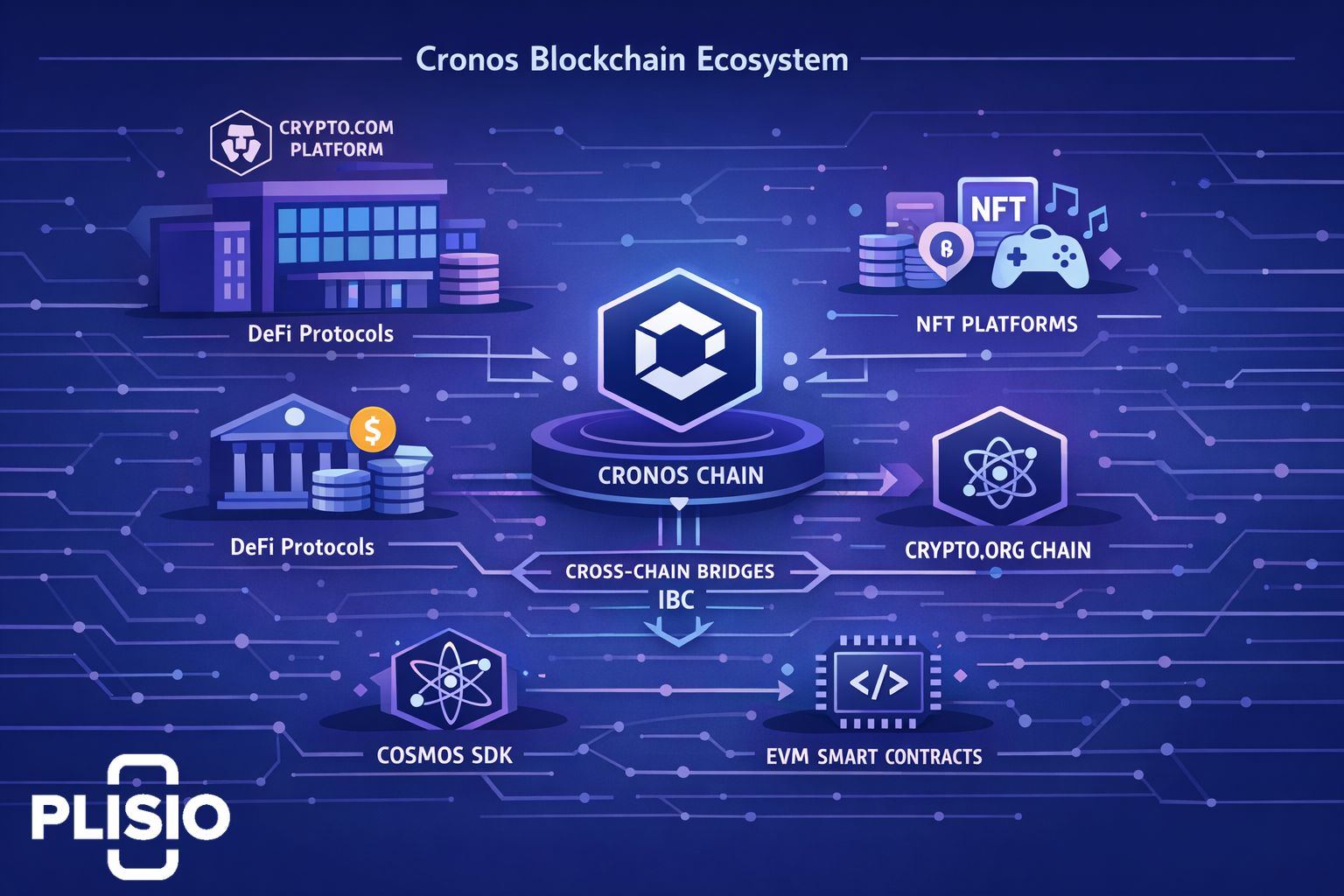
Cronos is a blockchain built for decentralized applications, digital asset payments, and Web3 infrastructure. The native token of the Cronos network is CRO, used for fees, staking, and ecosystem incentives.
Cronos is unique because it is:
- EVM-compatible, allowing Ethereum smart contract deployment
- Built using the Cosmos SDK
- Designed for cross-chain transfers via IBC
- Closely integrated with the Crypto.org chain and Crypto.com infrastructure
The network focuses heavily on scalability, developer accessibility, and enterprise integration. This positioning makes the cronos token attractive for long-term Cronos ecosystem growth.
Cronos is also considered an important blockchain built to connect centralized and decentralized finance. Through partnerships and infrastructure upgrades, the chain aims to improve liquidity and user onboarding across the crypto market.
Cronos Utility and Real Ecosystem Demand
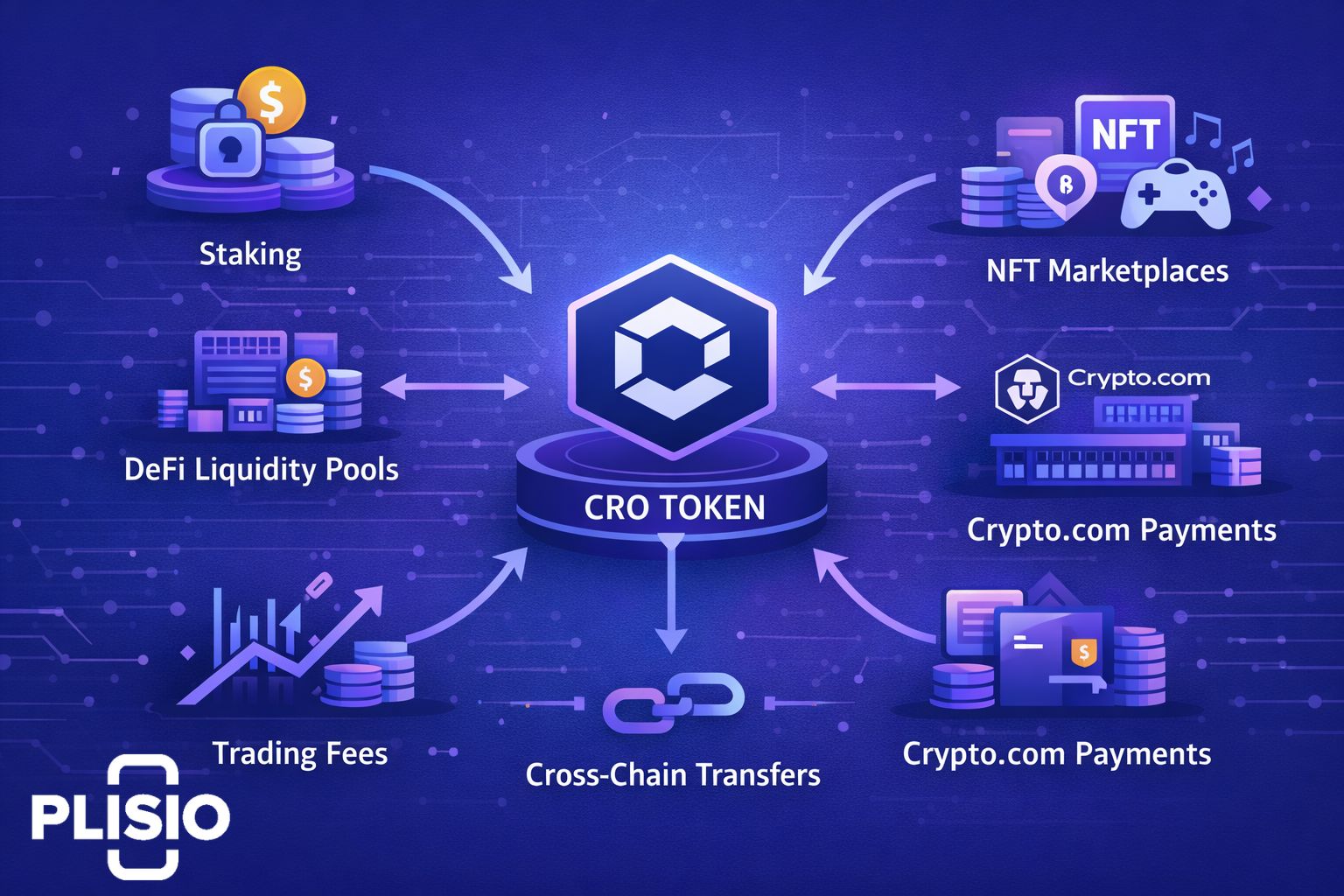
CRO is not just a speculative token. CRO is used across multiple real-world sectors including DeFi, payments, and NFTs. The tight partnership with Crypto.com and expansion into fintech payment infrastructure could support demand over time.
The most important usage sectors include DeFi protocols, NFT marketplaces, staking rewards, and payment rails connected to a global cryptocurrency exchange. The strategic partnership ecosystem around Crypto.com’s payment network continues to drive real usage rather than pure speculation.
Cronos is also gaining traction as an evm-compatible chain supporting cross-chain DeFi expansion via IBC communication layers. This architecture is influenced by the Cosmos ecosystem and allows interoperability between multiple blockchain networks.
Current Cronos Market Data (2026 Snapshot)
|
Metric |
Value (2026 Approximation) |
|
CRO Price |
$0.07 – $0.09 |
|
Market Cap |
Mid-cap crypto asset range |
|
Volatility |
Moderate vs small altcoins |
|
Market Capitalization Rank |
Top mid-tier crypto |
|
Crypto Market Correlation |
Strong with Bitcoin and Ethereum |
The market cap and market capitalization trends show that Cronos behaves like a typical infrastructure altcoin — heavily influenced by Bitcoin, BTC liquidity cycles, and overall crypto market sentiment.
Cronos correlation with BTC often shows delayed price movements, meaning CRO usually follows Bitcoin trends after macro moves stabilize.
Technical Analysis and Market Behavior
Technical analysis remains a key tool in any coin price prediction. Traders monitor moving averages, RSI levels, and support and resistance zones to estimate short-term price movements.
Indicators used in Cronos technical analysis include RSI, Fibonacci retracement, and volume-weighted moving averages. According to TradingView-style analysis dashboards, CRO frequently reacts strongly to BTC trend reversals.
Key technical metrics often tracked by analyst dashboards:
- Moving averages trend direction
- RSI momentum shifts
- Support and resistance breakouts
- Fibonacci retracement correction zones
On a line chart, CRO historically shows medium-term recovery phases after large drawdowns. Past performance shows CRO reacting strongly during broader crypto bull cycles.
Cronos Price Prediction 2026–2031 Forecast
The price forecast for Cronos depends on adoption speed, DeFi growth, and Crypto.com user expansion.
Forecast Table (Medium-Term Cronos Price Prediction)
|
Year |
Estimated CRO Price Range |
|
2026 |
$0.08 – $0.19 |
|
2027 |
$0.08 – $0.20 |
|
2030 |
$0.12 – $0.14 |
|
2031 |
$0.12 – $0.18 |
The 2026 forecast range reflects moderate bullish potential if DeFi adoption continues. Some analyst models suggest CRO could test higher resistance levels if ecosystem usage expands.
The medium-term outlook assumes stable crypto market growth rather than extreme speculative bubbles.
Long-Term Cronos Price Prediction: 2030, 2040 and 2050
Long-term forecasting is always theoretical. These numbers should be seen as scenario models rather than guarantees.
Long-Term Forecast Table
|
Year |
Conservative Long-Term Forecast |
|
2030 |
~$0.14 |
|
2040 |
~$0.19 – $0.20 |
|
2050 |
~$0.40 – $0.48 |
The long-term Cronos outlook depends heavily on global blockchain adoption and institutional integration.
The period 2030 and beyond will likely depend on real-world usage growth rather than speculation.
Fundamental Factors Influencing Cronos’s Price
Fundamental factors often matter more than short-term technical signals.
Cronos’s price can be influenced by:
Crypto.com user base expansion, DeFi adoption, NFT ecosystem growth, regulatory clarity, cross-chain integration, and macro crypto market cycles.
The connection to a major cryptocurrency exchange is one of the strongest advantages CRO has compared to many altcoins.
Cronos infrastructure is designed for scalability and cross-chain integration between Cosmos and Ethereum ecosystems. This hybrid architecture improves long-term survivability compared to single-ecosystem chains.
Cronos vs Other Major Cryptocurrency Networks
Cronos competes with Ethereum, Cosmos, and payment-focused networks like XRP. Compared to Ethereum, Cronos offers lower fees and simpler integration for retail applications. Compared to Cosmos, Cronos has stronger centralized ecosystem distribution through Crypto.com.
Compared to Bitcoin, Cronos is an infrastructure token rather than store-of-value currency. Compared to XRP, Cronos is broader in scope because it supports DeFi and smart contract applications.
Investment Risks and Market Volatility
Like any cryptocurrency, CRO faces strong volatility cycles.
Risks include regulatory pressure, exchange competition, macro liquidity drops, and crypto market downturns. Investors should only invest what they can afford to lose.
The crypto market historically moves in cycles driven by Bitcoin liquidity and global risk appetite. CRO typically follows these cycles.
Is Cronos a Good Investment?
Whether Cronos is a good investment depends on investment horizon.
Short-term traders often focus on volatility and technical signals. Medium-term investors look at DeFi growth and ecosystem partnerships. Long-term investors track adoption metrics, developer activity, and integration into global fintech payment infrastructure.
The cro coin price prediction outlook generally suggests gradual ecosystem-driven growth rather than speculative spikes.
Final Cronos Price Forecast Summary
The overall cronos price prediction trend suggests moderate growth potential tied to real usage adoption. CRO is positioned as an infrastructure token rather than a purely speculative currency.
Cronos adoption in DeFi, NFT ecosystems, and payment rails connected to Crypto.com could drive long-term demand. If global blockchain adoption accelerates, Cronos could benefit significantly.
However, like all crypto assets, CRO remains subject to market cycles, investor sentiment shifts, and macro economic conditions.
Conclusion
Cronos continues evolving as a scalable blockchain supporting DeFi, NFTs, and real-world crypto payment infrastructure. The cro price prediction outlook remains cautiously optimistic across most forecast models.
The future of Cronos depends on ecosystem adoption, developer growth, and the ability of Crypto.com’s infrastructure to onboard global users into blockchain-based financial systems.
As always in cryptocurrency markets, long-term success depends on utility, adoption, and sustained network activity rather than short-term speculation.
For investors analyzing CRO, combining technical analysis, fundamental factors, and macro crypto market trends remains the best strategy.
In the long arc of blockchain evolution, Cronos represents a hybrid experiment: part centralized ecosystem token, part open DeFi infrastructure layer, and part payment settlement rail for the next generation of digital finance.