Tesla Stock Price Prediction 2026–2030

Tesla Inc remains one of the most closely watched companies in global financial markets. Tesla’s stock consistently attracts retail traders, institutional capital, and long-term tsla investor interest because it operates at the intersection of automotive manufacturing, advanced software, artificial intelligence, and energy infrastructure. Any tesla stock price prediction today must therefore balance traditional valuation logic with narrative-driven expectations and heightened volatility.
At the center of the debate is tsla stock, listed on the nasdaq and heavily influenced by both fundamental financial information and speculative sentiment. Market participants tracking tsla stock price monitor vehicle deliveries, eps trends, margins, cash flow, and the growing contribution of energy generation and storage systems. This article delivers a complete stock price forecast with explicit numerical price levels, covering short-term expectations, a twelve months outlook, a detailed view for 2026, and a structured prediction for 2030.
Tesla’s Business Model and Market Position
Tesla’s has evolved beyond a single-product automotive company. While electric vehicles remain the core revenue driver, the business increasingly positions itself as a diversified technology and energy platform. Operations now span automotive manufacturing, software development, energy generation and storage systems, and service-based offerings.
The automotive segment still generates the majority of revenue, but margins have tightened as competition in the ev and broader electric vehicles market has intensified. Pricing pressure from both legacy automakers and newer entrants has reshaped analyst assumptions around revenue growth. In parallel, sales of automotive regulatory credits — once a material profit contributor — now play a smaller and less predictable role in earnings models.
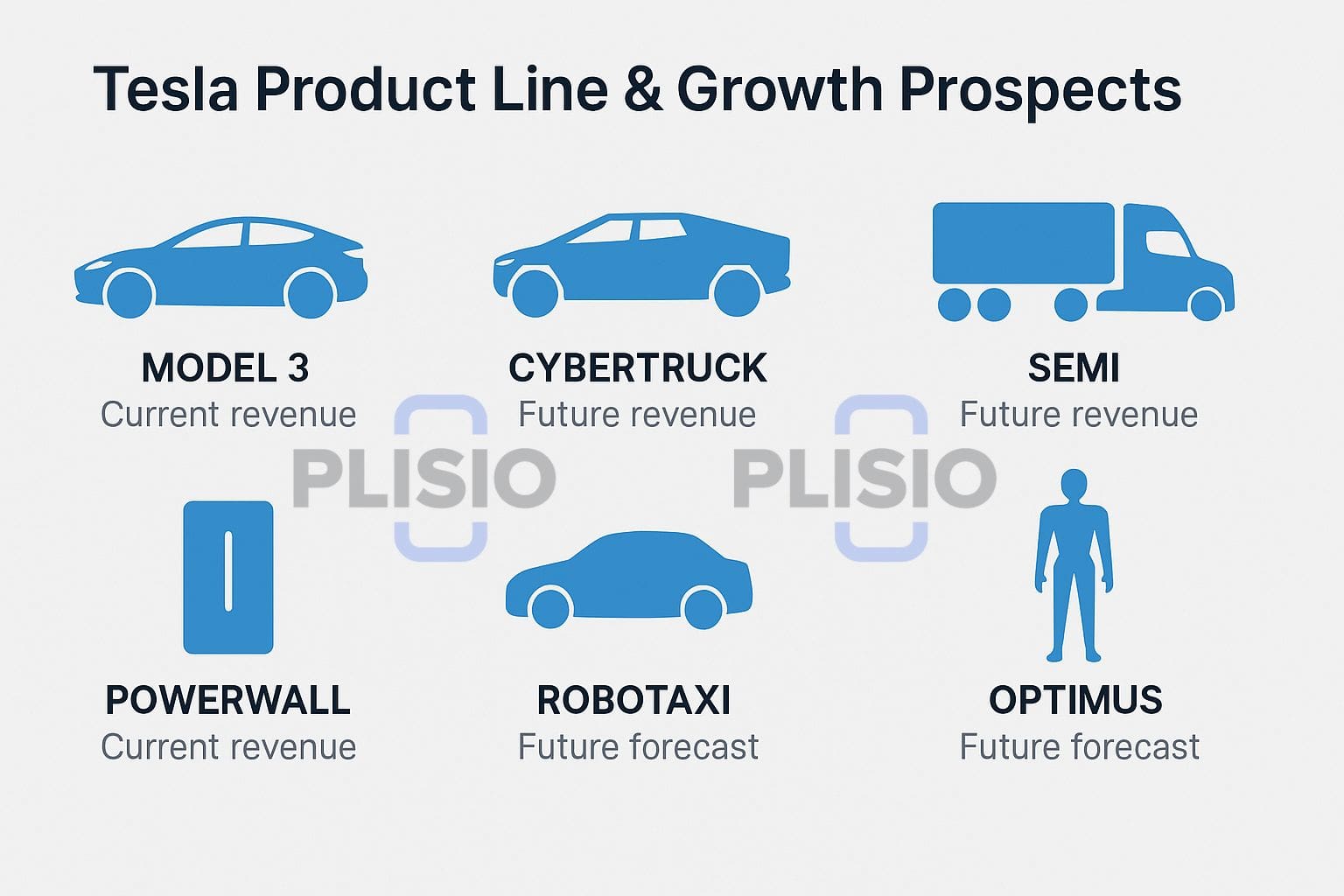
Beyond vehicles, Tesla’s expansion into electric vehicles and energy generation strengthens its long-term narrative. Energy storage deployments contribute incremental growth, though they remain secondary to automotive cash flow at present.
Tesla’s market cap reflects this hybrid identity. The company is often valued against both automotive peers and high-growth technology firms such as nvidia, which fuels debate around valuation multiples and risk tolerance.
Current Market Environment and Real-Time Context
In real-time market conditions, tesla stock reacts sharply to macroeconomic signals. Interest-rate expectations, inflation data, and shifts in risk appetite directly influence short-term stock price behavior. Broader market trends tied to artificial intelligence and automation also affect tsla price movements, particularly when autonomy-related narratives gain attention.
Latest tesla developments and latest tsla news frequently trigger intraday volatility, even in the absence of material fundamental changes. This highlights the importance of sentiment and positioning in short-term trading.
Technical indicators remain essential for active traders. Moving averages, momentum oscillators, and volume patterns often guide decisions tied to a forecast for tomorrow and other near-term horizons.
Analyst Consensus and Rating Landscape
The analyst community remains divided, resulting in a consensus rating close to neutral. Some firms maintain a strong buy outlook based on long-term autonomy, software, and energy potential, while others express caution due to slowing automotive growth and margin compression.
The current analyst rating distribution includes strong buy, hold, sell, and strong sell positions. This wide dispersion underscores why a single rating for tesla cannot fully reflect market expectations.
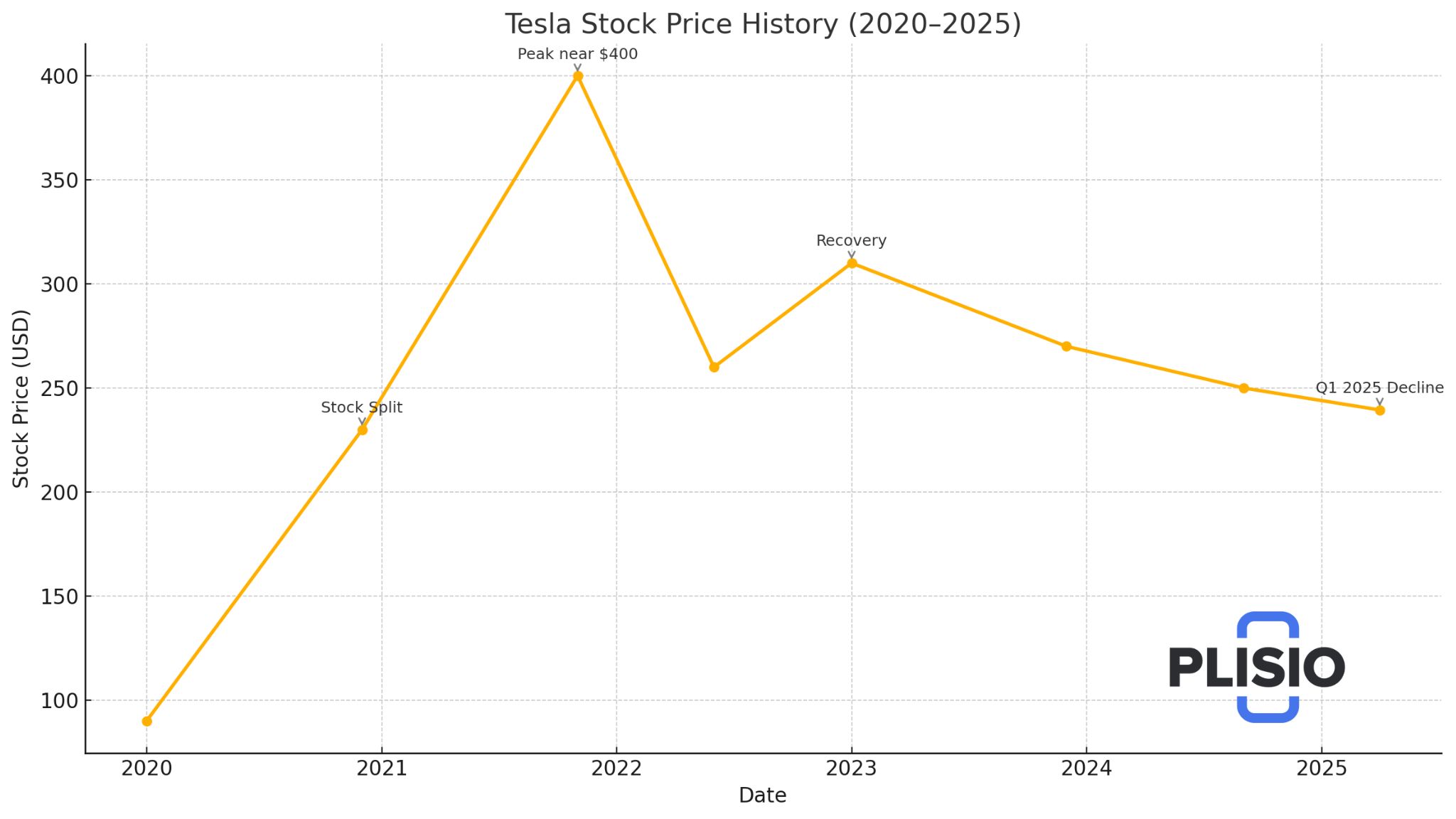
Recommendation trends show that rating changes typically follow earnings releases, delivery updates, or guidance revisions, reinforcing volatility in tsla stock price.
Analyst Price Targets and Forecast Data
Analyst price target predictions vary significantly depending on assumptions around autonomy, scalability, and long-term profitability. As a result, the average price target functions as a statistical midpoint rather than a definitive outcome.
Analyst Price Target Overview
|
Metric |
Numerical Estimate |
|
Bearish price target |
$350 – $390 |
|
Average price target |
$470 – $490 |
|
Bullish price target |
$650 – $720 |
|
12-month price |
$430 – $520 |
The average price target implies limited upside from current levels unless execution exceeds baseline expectations. Bullish analysts argue that optionality from autonomy and software is not fully priced into valuation models.
Stock Price Forecast: Near Term and Twelve Months
A credible stock price forecast must clearly separate short-term trading behavior from medium-term fundamentals.
Forecast for tomorrow: based on current forecast data, momentum signals, and options positioning, tsla stock is expected to trade between $445 and $465 in the immediate short term.
Twelve months outlook: most models converge on a defined numerical band rather than extreme outcomes. The current 12-month price range for tesla stock is $430 to $520, with approximately $480 representing the average price target.
Key numerical assumptions driving this range include:
- Mid-single-digit eps growth
- Stable but compressed automotive margins
- Gradual improvement in cash flow efficiency
These figures explain why buy or sell decisions remain highly debated.
Stock Price Forecast for 2026
Looking into 2026, analysts assume normalized demand across the electric vehicles market and incremental contributions from software and energy segments. As uncertainty declines, price targets become more specific.
|
Scenario |
Expected Stock Price Range |
|
Bearish |
$350 – $390 |
|
Base case |
$460 – $540 |
|
Bullish |
$650 – $720 |
The base-case scenario assumes moderate revenue growth, stable margins, and disciplined capital spending. Bullish projections rely on faster autonomy progress, while bearish outcomes reflect continued pricing pressure and slower adoption.
This numerical framework explains why tsla stock price prediction for 2026 cannot be reduced to a single figure.
Long-Term View: Prediction for 2030
A prediction for 2030 is inherently scenario-driven rather than precise. Long-term outcomes depend on whether Tesla evolves primarily as an automotive manufacturer or successfully scales high-margin software and autonomous services.
|
Scenario |
Estimated Stock Price |
|
Conservative |
$300 – $450 |
|
Moderate growth |
$700 – $1,000 |
|
High-conviction bullish |
$1,500+ |
The conservative scenario reflects limited success beyond automotive manufacturing. Moderate growth assumes partial autonomy monetization. The most bullish projections depend on large-scale deployment of autonomous platforms.
Valuation, Financials, and Risk Factors
Tesla trades at a premium relative to traditional automotive peers. Valuation multiples reflect future growth expectations rather than current earnings alone, increasing sensitivity to narrative shifts.
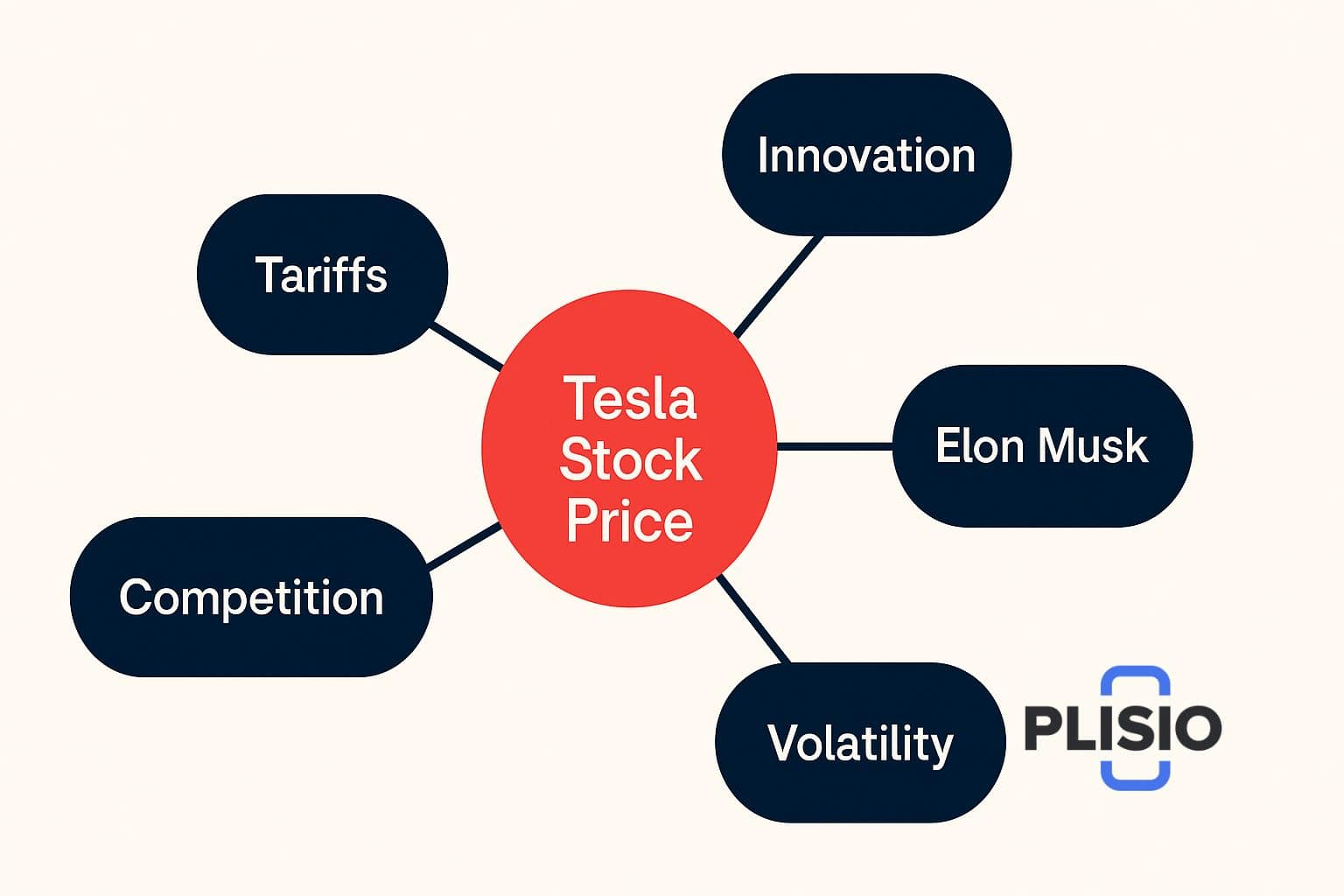
Key financial metrics include revenue growth, eps consistency, and cash flow sustainability. Risks include regulatory pressure, competitive pricing, execution challenges, and dependence on leadership vision. Elon musk and elon musk's strategic direction continue to influence investor confidence and sentiment.
Bullish vs Bearish Perspectives
Bullish investors emphasize autonomy, software scalability, and energy diversification as underappreciated value drivers. Bearish perspectives focus on slowing growth, margin compression, and valuation risk. This tension keeps the consensus rating balanced.
Conclusion
Any tesla stock price prediction should be viewed as probabilistic, not deterministic. Tsla stock remains driven by both fundamentals and expectations. Short-term prices respond to sentiment and technical indicators, while long-term performance depends on execution in automotive, software, and energy segments.
For a tsla investor, understanding time horizon and risk tolerance is critical. Whether the stance is strong buy, hold, or strong sell, decisions should be grounded in realistic financial forecast assumptions and evolving market trends. Tesla’s stock will likely remain volatile, influential, and closely followed across the nasdaq for years ahead.