NFT Trading Cards Explained: How Digital Trading Cards Work on the Blockchain in 2025
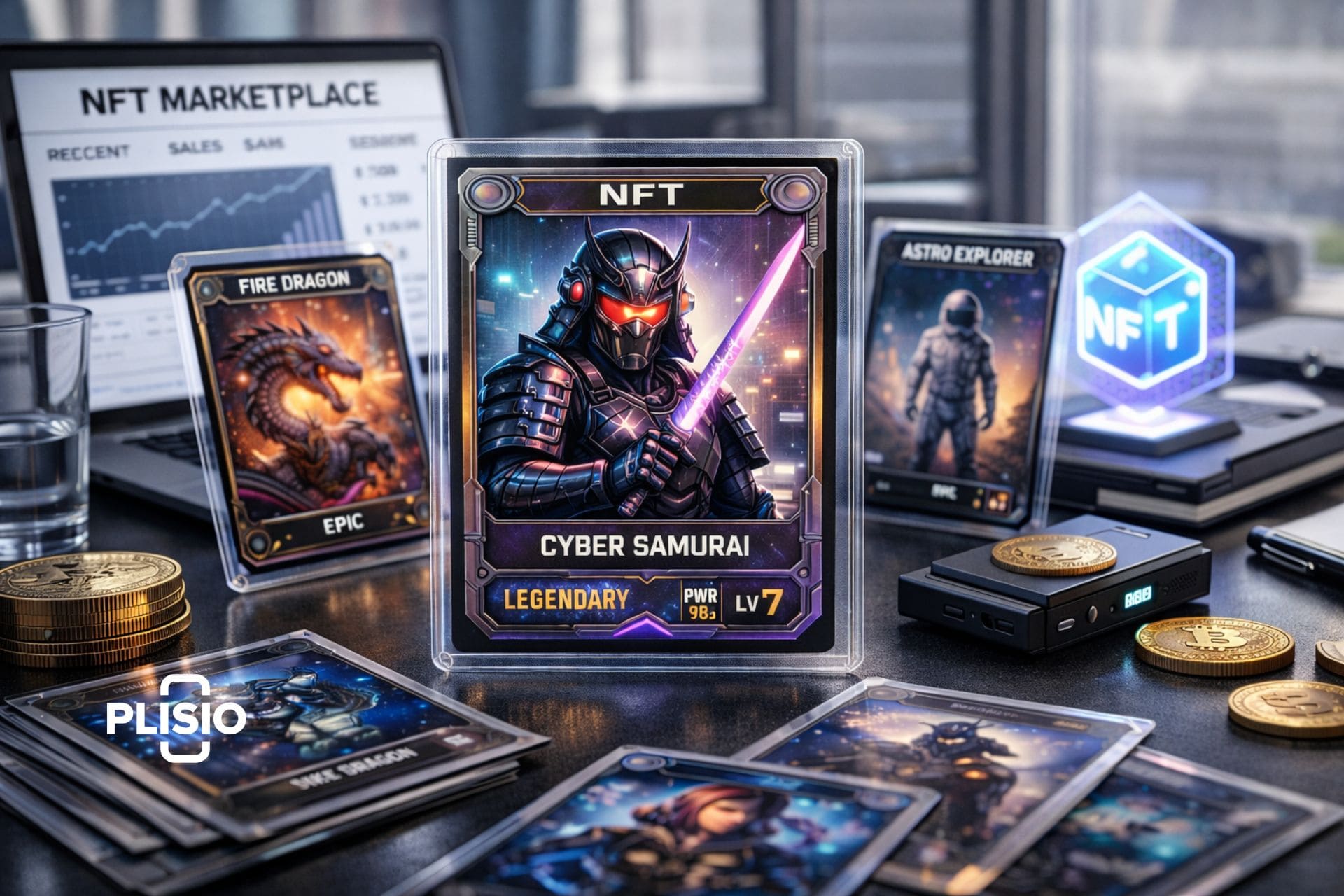
Digital trading cards are virtual versions of traditional trading cards. Instead of existing as physical items, these cards live entirely online and are managed through apps, platforms, and wallets. A digital trading card can include images, animations, player stats, descriptions, and interactive elements. They are commonly used in collectible card games, sports fandoms, entertainment franchises, and pop culture ecosystems.
Unlike a physical trading card, a digital card is easy to distribute, instantly accessible, and can be traded globally. This shift has reshaped the traditional trading card market by removing physical limits while keeping the core appeal of collecting intact.
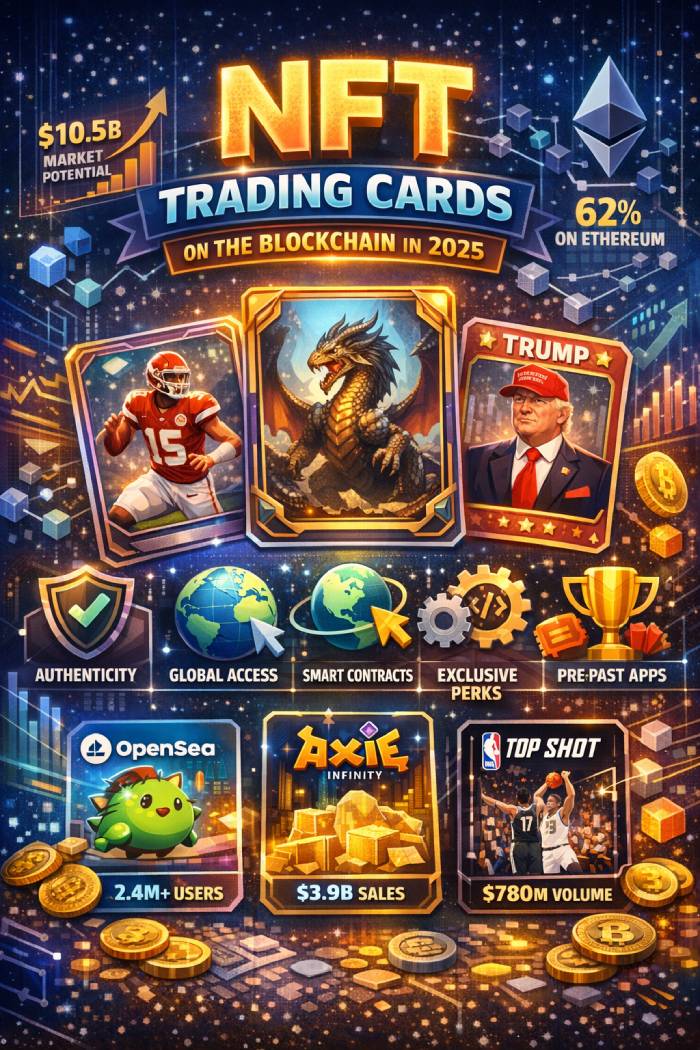
By 2025, the global digital collectibles market is estimated to be worth over $10 billion annually, with trading cards representing one of the fastest-growing segments. The rise of mobile platforms and NFT marketplaces has accelerated adoption, especially among younger collectors who are more comfortable with digital ownership than physical storage.
What Is an NFT Trading Card and How Is It Different from a Digital Trading Card
An NFT trading card takes the idea of a digital trading card one step further by using blockchain technology. While standard digital cards can be copied endlessly, an NFT card is a unique digital asset recorded on a blockchain. Each card is assigned a unique identifier that proves authenticity, ownership, and scarcity.
Because NFT trading cards are stored on a blockchain, they cannot be duplicated or swapped one-to-one like normal files. This makes them closer to a traditional collectible card, but without the risks of damage, loss, or counterfeiting.
Each NFT trading card includes a cryptographic signature stored on the blockchain. This signature tracks ownership history and confirms that a card is part of a specific NFT collection. As a result, NFT trading cards are unique digital collectibles with built-in provenance.
Benefits of NFT Trading Cards for Businesses and Creators
Many companies now use NFT trading cards as marketing and loyalty tools. Brands can reward users with limited digital cards, release NFT trading card series, or create collectible experiences that encourage repeat engagement.
For example, a company might offer a limited NFT card to customers who reach a spending milestone or participate in a campaign. These cards can later be traded on an NFT marketplace, giving them real secondary value while strengthening brand loyalty.
How NFT Trading Cards Work on the Blockchain
NFT cards work like other NFTs. Cards are created (minted) on a blockchain, listed on NFT marketplaces like OpenSea or Magic Eden, and stored in wallets that support the blockchain. Most NFT trading cards today are created on the Ethereum blockchain, though value and transaction costs may vary depending on the blockchain used.
By 2025, Ethereum continues to dominate NFT activity, accounting for roughly 60% of all NFT trading volume, while alternative blockchains like Solana and Polygon are gaining traction due to lower fees and faster transactions.
To purchase an NFT, a user selects a card on an NFT platform, connects a wallet that supports the blockchain, and completes the transaction using crypto or, in some cases, fiat currency. Ownership of the digital card is then recorded on-chain.
NFT trading cards may also be gifted, held long-term, or traded freely. Some cards offer extra benefits such as access to events, in-game items, or exclusive communities. In 2025, utility-driven NFTs account for an estimated 40% of total NFT trading activity, reflecting a shift away from purely speculative assets.
NFT Trading Card Projects and Use Cases in the Digital Card Market
As adoption in the NFT space has grown, many industries have experimented with digital trading cards.
NBA Top Shot became one of the most visible NFT trading card projects by turning NBA moments rendered as NFTs into digital collectibles. These highlight clips from NBA games introduced millions of users to NFT sports cards. At its peak, NBA Top Shot surpassed $1 billion in total sales volume, and by 2025 it remains one of the most recognized NFT sports platforms.
Fashion brands like Nike have explored NFT cards as proof of ownership for physical products, linking sneakers to digital cards that can be traded or displayed online. Gaming platforms such as CryptoKitties demonstrated early demand for collectible digital assets, while loyalty-driven projects like Blastoff and NextPlane use NFT cards to reward repeat customers.
By 2025, more than 30% of major consumer brands experimenting with blockchain technology have tested NFT-based loyalty or collectible programs. These examples show how NFT trading cards can blend digital collectibles, utility, and real-world engagement.
Trump NFT Trading Cards in the NFT Space
NFT trading cards reached mainstream headlines when Trump NFT trading cards were released. These cards featured images and moments tied to Donald Trump and were sold as part of an NFT collection. Like many NFT projects, their value fluctuated based on demand and market sentiment.
Value of NFT Trading Cards in the Trading Card Market
The value of NFT trading cards varies widely. Like physical trading cards, price depends on rarity, demand, historical relevance, and community interest.
By 2025, the NFT trading card segment alone is estimated to generate more than $1.5 billion in annual trading volume. Some NFT cards sell for significant amounts on NFT marketplaces, while others remain niche digital collectibles. The value of NFT trading cards is subjective and often volatile.
Key factors that influence value include rarity, creator reputation, demand within a fandom, and utility. Cards that unlock gameplay, membership access, or exclusive experiences often hold more long-term value. Data from 2025 shows that NFTs with built-in utility retain, on average, 2-3 times more value over time than purely decorative digital cards.
How NFT Cards Work in Practice as a Digital Asset
To understand NFT trading cards, it helps to compare them to traditional collectible cards like Pokémon cards or sports memorabilia. Physical cards gain value from scarcity, nostalgia, and condition. NFT trading cards recreate these dynamics using blockchain technology.
When you buy an NFT trading card, the blockchain records ownership. While the image itself can be copied, the blockchain proves who owns the original digital asset. This is what makes NFT trading cards unique digital collectibles.
Key Benefits of NFT Trading Cards Compared to Physical Cards
NFT trading cards offer clear advantages over physical cards. Ownership is transparent and verifiable. Cards can be traded globally without shipping. Digital cards cannot be damaged by fire or water. Many NFT cards also include interactive or programmable features.
Physical Trading Cards vs Digital Trading Card NFTs
Physical trading cards benefit from nostalgia and long-established markets. They are tangible and familiar, but they can be damaged, lost, or counterfeited.
NFT trading cards exist purely as digital assets. They are easy to store, transfer, and display, but they depend on wallets and platforms for security. Early adopters may see higher upside, but also higher risk.
Types of NFT Trading Cards You Can Find
There are several types of NFT trading cards available today.
- Collectible art NFT trading cards focus on artwork and aesthetics.
- Gaming NFT trading cards are used inside card games and the NFT gaming space, where cards serve functional roles in gameplay.
- NFT sports trading cards represent athletes or moments. Sports NFT cards often track real-world performance.
- Membership NFT trading cards act as access passes to communities, events, or perks.
Notable NFT Trading Card Projects and Popular NFT Collections
Popular NFT trading card projects include NBA Top Shot, Axie Infinity, Gods Unchained, Sorare, and VeeFriends.
Gods Unchained is one of the first blockchain-based trading card games. It is a free-to-play multiplayer blockchain-based game where players truly own their cards. By 2025, Gods Unchained has recorded millions of wallet-connected players and remains one of the most active NFT trading card games by daily transactions.
Sorare operates as a digital soccer game using NFT player cards tied to real-world performance. The platform has secured licensing deals with hundreds of football clubs worldwide, and by 2025 hosts users from over 150 countries.
NBA Top Shot focuses on sports trading by selling highlight clips from NBA games as digital collectibles. Even after market cooldowns, sports NFT cards remain one of the strongest-performing NFT categories by volume.
How to Trade NFT Trading Cards on NFT Marketplaces
To trade NFT trading cards, users choose an NFT marketplace, connect a wallet that supports the blockchain, and browse trading card collections. Once you find an NFT trading card you want, you can buy, sell, or trade it directly.
How to Create an NFT Trading Card Collection
Creating NFT trading cards involves planning a collection, designing cards, choosing a blockchain, minting the cards, and listing them on an NFT marketplace. Fees and processes vary depending on the blockchain used.
How to Display Digital NFT Cards
NFT trading cards can be displayed on social media, personal websites, digital frames, or within NFT platforms.
Blockchain and Environmental Impact of NFT Cards
NFTs were once criticized for energy usage. Since Ethereum moved to proof-of-stake, energy consumption dropped by more than 99%, making NFT trading cards significantly more sustainable.
By 2025, most major NFT marketplaces prioritize energy-efficient blockchains, and sustainability has become a key consideration for creators launching new NFT trading card collections.
Security Challenges in the NFT Trading Card Market
NFT cards are secure on the blockchain, but users must protect their wallets. Avoid suspicious links and consider hardware wallets for valuable cards.
Taxes, Regulation, and Challenges in the NFT Trading Space
NFT trading cards are treated as digital assets for tax purposes in many regions. Buying, selling, or minting NFTs may trigger taxable events.
In short, NFT trading cards represent a new chapter in the evolution of trading cards. They blend the culture of traditional trading with blockchain technology, creating unique digital collectibles that can be traded, used, and valued in entirely new ways.
NFT Trading Cards in Numbers (2025)
The NFT trading card market has moved beyond early experimentation and into a more mature phase. By 2025, the broader digital collectibles market is estimated to exceed $10 billion in annual value, with NFT trading cards contributing more than $1.5 billion in yearly trading volume.
Sports-driven NFT cards remain one of the strongest segments. NFT sports cards consistently rank among the top categories by volume, supported by platforms like NBA Top Shot and fantasy sports ecosystems. Gaming-related NFT trading cards account for a significant share of daily transactions, reflecting the ongoing growth of blockchain-based card games.
Ethereum remains the dominant blockchain for NFT trading cards, handling roughly 60% of total NFT trading activity in 2025. At the same time, lower-cost networks such as Solana and Polygon continue to attract creators and traders looking for faster and cheaper transactions.
Who NFT Trading Cards Are For
NFT trading cards appeal to different audiences for different reasons.
Collectors are drawn to NFT trading cards because they offer provable rarity, transparent ownership history, and global liquidity without the risks associated with storing physical cards.
Gamers use NFT trading cards as functional assets inside blockchain games. In trading card games and the broader NFT gaming space, cards serve both as collectibles and as tools that affect gameplay.
Sports fans engage with NFT sports trading cards to own memorable moments, player highlights, and licensed digital memorabilia tied to real-world performance.
Brands and businesses use NFT trading cards to build loyalty programs, create digital memberships, and experiment with new forms of customer engagement using blockchain technology.
Common Myths About NFT Trading Cards
NFT trading cards are often misunderstood, especially by people new to the NFT space.
One common myth is that NFT cards are just images. In reality, the image is only one part of the asset. Ownership, scarcity, and transferability are enforced by the blockchain.
Another misconception is that NFT trading cards have no real value. Like traditional collectible cards, their value depends on demand, rarity, and utility. Some cards fail, while others retain or increase value over time.
There is also a belief that NFTs are environmentally harmful by default. Since Ethereum transitioned to proof-of-stake, the environmental impact of NFT trading cards has dropped dramatically.
Practical Tips for Trading NFT Trading Cards
Trading NFT trading cards is simple, but small mistakes can be costly.
New users should always research a project before buying an NFT. Checking the team, roadmap, and community activity can help avoid low-quality or abandoned collections.
It is also important to understand pricing formats. Fixed-price listings offer certainty, while auctions can lead to overpaying during hype cycles.
Wallet security matters as much as card condition does in physical trading. Using a hardware wallet and avoiding suspicious links can prevent accidental loss.
Real-World NFT Trading Card Scenarios
A sports fan might buy an NBA Top Shot moment to collect a favorite player’s highlight and later trade it during peak demand.
A gamer may acquire NFT cards in Gods Unchained to build a stronger deck, earning rewards through competitive play while retaining ownership of the cards.
A brand-focused collector could hold a membership NFT trading card that unlocks early access, exclusive drops, or real-world event invitations.
These scenarios show how NFT trading cards are used not only for speculation, but also for entertainment, community access, and long-term engagement.