Uranium Price Prediction 2026–2030: Market Analysis, Forecasts, and Strategic Outlook

The global conversation around energy has changed dramatically over the last decade. Climate pressure, rising electricity demand, and concerns over energy security have pushed nuclear technologies back into the spotlight. At the center of this renewed focus sits uranium, a commodity that quietly underpins nuclear power plants worldwide. As we move through 2025, investor interest in uranium, utilities, and nuclear infrastructure has intensified, making uranium price prediction a topic of growing importance.
The price of uranium has been anything but static. After years of underinvestment following the Fukushima accident, the market entered a new phase in 2023 and 2024. By 2025, the uranium market is shaped by tight supply, rising demand for uranium, and structural changes in how nuclear fuel is procured. This article explores current market prices, short-term price dynamics, and a forward-looking price forecast for 2025, 2026, and beyond toward 2030.
Current Uranium Price Environment in 2025
In 2025, uranium prices continue to reflect a market transitioning from surplus to structural deficit. The uranium spot price has fluctuated throughout the year, with the spot market reacting sharply to supply news, contracting activity, and geopolitical signals. The average uranium price in 2025 has remained well above historical lows, reinforcing the idea that the price has been going through a long-term re-rating rather than a temporary spike.
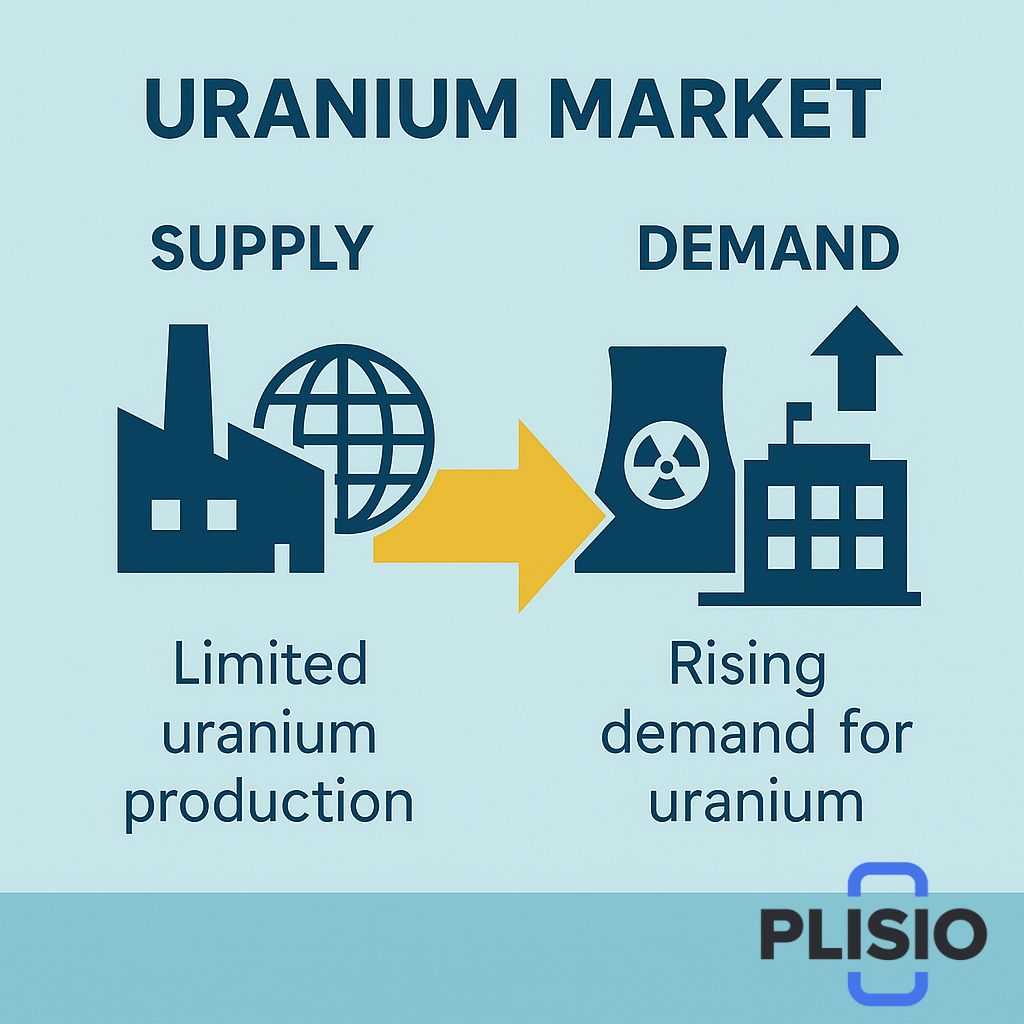
The spot price currently trades in a range that many analysts believe underestimates future demand from utilities and new nuclear reactor projects. While the short-term price can swing based on sentiment, the underlying trend remains constructive. Many market participants expect uranium prices could strengthen further as contracting accelerates.
It is important to note that uranium is not priced like oil or gas. Most nuclear fuel is bought through the term market, not daily trading. As a result, the uranium price seen in headlines often lags the true cost utilities are willing to pay per pound for secure, long-term supply.
Spot Market vs Term Market Dynamics
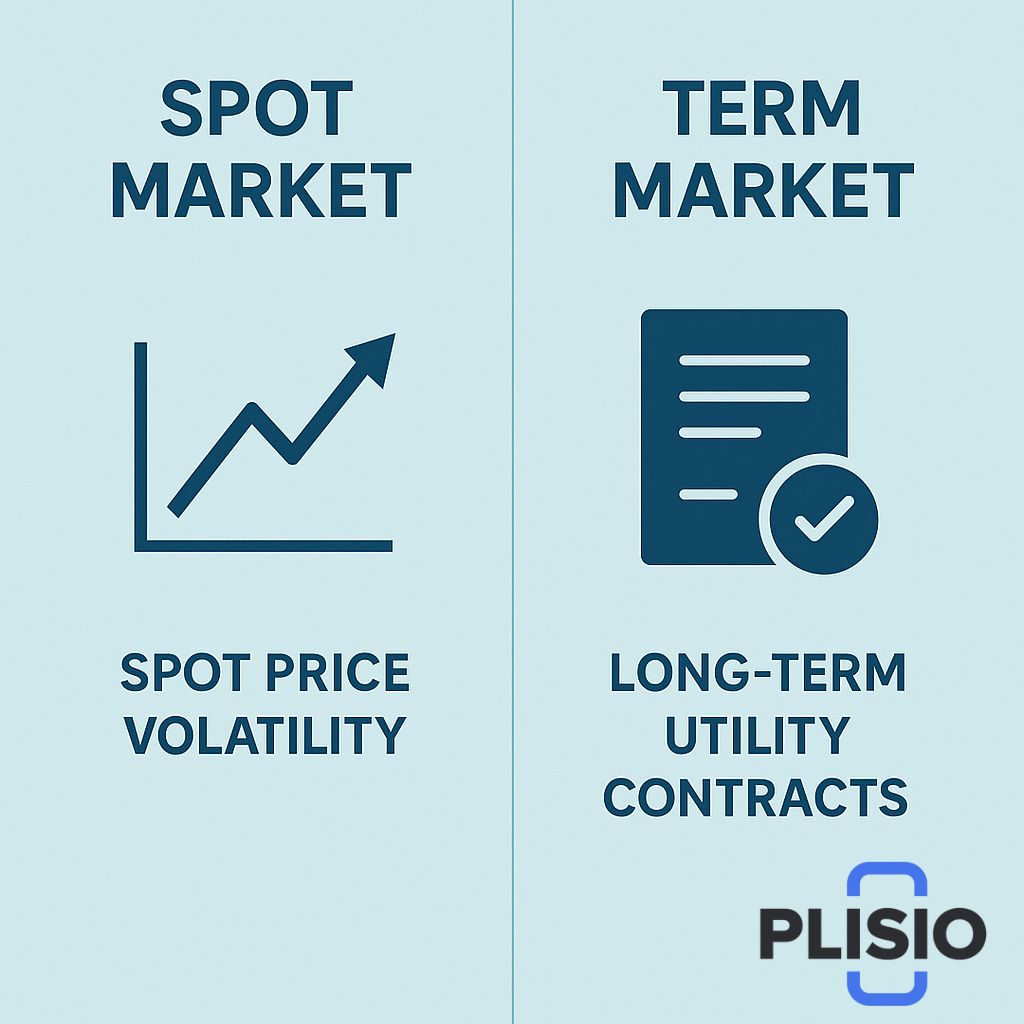
Understanding uranium price prediction requires separating the spot market from the term market. The spot market represents a relatively small volume of transactions, often driven by traders, funds, or short-term utility needs. The term market, by contrast, involves long-term contracts that can last a decade or more.
Key characteristics of today’s market dynamics include:
- Utilities returning aggressively to the term market after years of delay
- Limited availability of uncommitted uranium supply
- Growing influence of financial vehicles such as Sprott Physical Uranium Trust
These dynamics mean that market prices visible in the spot market may not fully reflect the real clearing price required to incentivize new production.
Supply Side: Uranium Production Constraints
Global uranium production remains constrained despite rising prices. Years of low investment reduced exploration, development, and domestic uranium production in many regions. Restarting mines is neither quick nor cheap, particularly under strict nuclear regulatory frameworks.
Major producers such as Cameco and Kazatomprom dominate the supply landscape. Kazakhstan remains the world’s largest uranium producer, often described as the world’s largest uranium source by volume. However, even Kazatomprom has warned of production challenges related to sulfuric acid shortages and supply chain issues.
In Canada, the McArthur River mine in Saskatchewan, one of the highest-grade uranium deposits globally, plays a critical role. While Cameco has restarted McArthur River, ramp-up is cautious. This underscores a broader reality: uranium mining capacity cannot instantly respond to rising demand.
Uranium reserves exist globally, but converting reserves into active production requires stable prices, long-term contracts, and political certainty. Without sustained prices well above historical averages, new production remains limited.
Demand Side: A Global Nuclear Renaissance
Demand for uranium is driven primarily by nuclear power generation. Today, more than 400 nuclear power plants operate worldwide, with dozens more under construction. This trend reflects a broader global nuclear renaissance supported by governments and institutions.
Several factors are driving uranium demand:
- Rising electricity demand from electrification and data centers
- Energy policy shifts favoring low-carbon baseload power
- Energy security concerns following geopolitical disruptions
Nuclear energy offers reliability unmatched by intermittent renewables. As a result, countries are extending reactor lifetimes, approving new builds, and investing in nuclear infrastructure. Small modular reactors are also gaining attention as flexible solutions for remote regions and industrial use.
Each nuclear reactor requires a steady supply of nuclear fuel, including enriched uranium. Once a reactor is built, fuel demand becomes relatively inelastic, creating long-term consumption visibility for the uranium market.
Institutional Influence and Strategic Uranium
Financial participation in the uranium market has grown significantly. Sprott Asset Management, through vehicles such as Sprott Physical Uranium Trust, has altered market behavior by removing physical uranium from circulation. This effectively tightens uranium supply available to utilities.
Strategic uranium has also become a policy priority. Governments, particularly in the US uranium sector, are building strategic uranium stockpile initiatives to reduce reliance on uranium imports. This trend supports domestic uranium production and reinforces long-term demand.
The involvement of asset management firms has increased transparency but also volatility. Investor interest can amplify price moves, particularly in a thin spot market.
Uranium Price Forecast for 2025
The outlook for 2025 remains constructive. Many analysts expect uranium prices to strengthen as utilities finalize long-term contracts. The rebound in 2025 is widely viewed as part of a multi-year bull market rather than a short-lived rally.
Factors supporting the 2025 price forecast include:
- Rising demand for uranium from new nuclear builds
- Limited near-term uranium supply growth
- Increasing competition between utilities and financial buyers
While short-term price fluctuations are inevitable, the fundamental outlook for 2025 suggests sustained prices well above incentive levels needed for new uranium mining projects.
Outlook for 2026 and Beyond
Looking into 2026, forecasts become even more bullish. Several banks and independent analysts suggest prices may need to rise substantially to unlock new production. Without higher prices, the market risks persistent deficits.
By 2030, global nuclear capacity is expected to expand significantly, driven by strong nuclear commitments in Asia, the Middle East, and parts of Europe. This long-term trajectory supports a positive outlook for uranium and nuclear fuel markets.
|
Period |
Spot Price Range (USD per pound) |
Term Market Price (USD per pound) |
Market Context |
|
2023 (historical) |
$50 – $65 |
$60 – $75 |
Early phase of bull market, limited contracting activity |
|
2024 (historical) |
$65 – $85 |
$75 – $95 |
Rising investor interest, spot market tightening |
|
Q4 2025 (current) |
$75 – $95 |
$95 – $120 |
Utilities active in term market amid supply constraints |
|
2025 Full-Year Average |
$80 – $100 |
$100 – $125 |
Rebound in 2025 supported by strong nuclear demand |
|
2026 Forecast |
$100 – $130 |
$120 – $150 |
Prices required to incentivize new uranium production |
|
Long-Term Outlook (2030) |
$120 – $150+ |
$140 – $170+ |
Global nuclear renaissance and structural supply deficit |
The uranium price prediction for 2026 assumes that utilities will have little choice but to accept higher prices per pound to secure reliable supply. This reinforces expectations that uranium prices could move materially higher compared to 2024 and 2025 averages.
Uranium Market Price Overview
|
Year |
Average Market Prices |
Key Drivers |
|
2023 |
Recovery phase |
Supply discipline, early contracting |
|
2024 |
Strong rally |
Financial buying, utility re-entry |
|
2025 |
Elevated range |
Contracting cycle, rising demand |
|
2026 |
Potential breakout |
Supply deficits, new production needs |
This table highlights how the uranium market has evolved from recovery to expansion.
Companies and Strategic Players
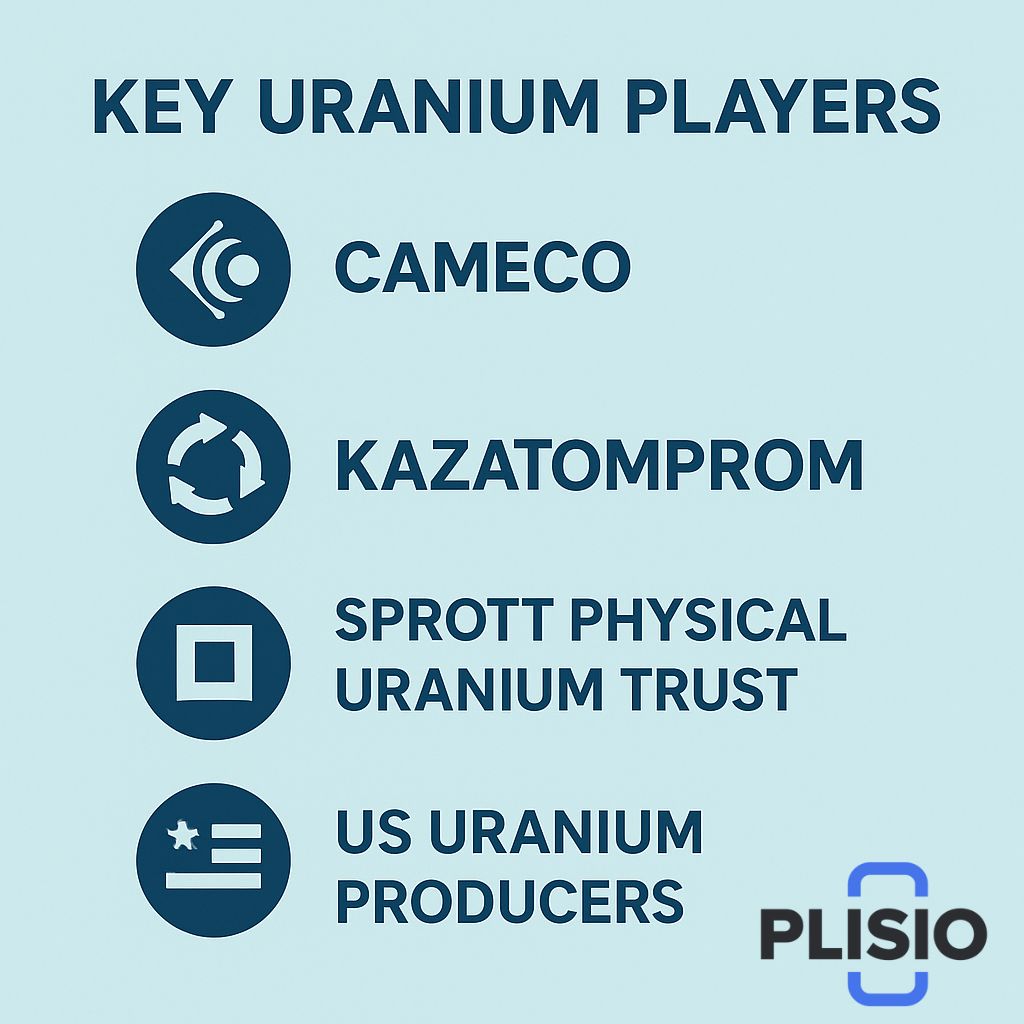
Several companies shape the current uranium landscape. Cameco remains a cornerstone uranium producer with assets like McArthur River. Kazatomprom continues to influence global supply as the top uranium exporter. In the US uranium space, Energy Fuels Inc and Uranium Energy Corp are positioned to benefit from domestic uranium production initiatives.
These companies sit at the intersection of uranium mining and nuclear energy policy, making them closely watched by investors.
Risks and Market Considerations
No forecast is without risk. Potential downside factors include:
- Faster-than-expected supply restarts
- Policy shifts away from nuclear power
- Short-term demand disruptions
However, the balance of risks currently favors higher prices due to the long lead times required for new uranium production.
Conclusion: Uranium and Nuclear in the Energy Transition
The uranium market in 2025 reflects deep structural change. Rising demand, constrained supply, and renewed confidence in nuclear power have created conditions for a sustained bull market. The price of uranium is no longer driven solely by speculative cycles but by fundamental shifts in global energy systems.
As governments pursue energy security and low-carbon electricity, uranium energy plays a central role. From utilities securing fuel to investors seeking exposure, uranium and nuclear technologies are once again strategic assets.
While volatility will persist, the long-term outlook for 2025, 2026, and toward 2030 suggests that uranium prices could remain strong, supported by a global nuclear renaissance and rising electricity demand.