OpenFuture World là gì? Ngân hàng mở, Trí tuệ nhân tạo và hơn thế nữa
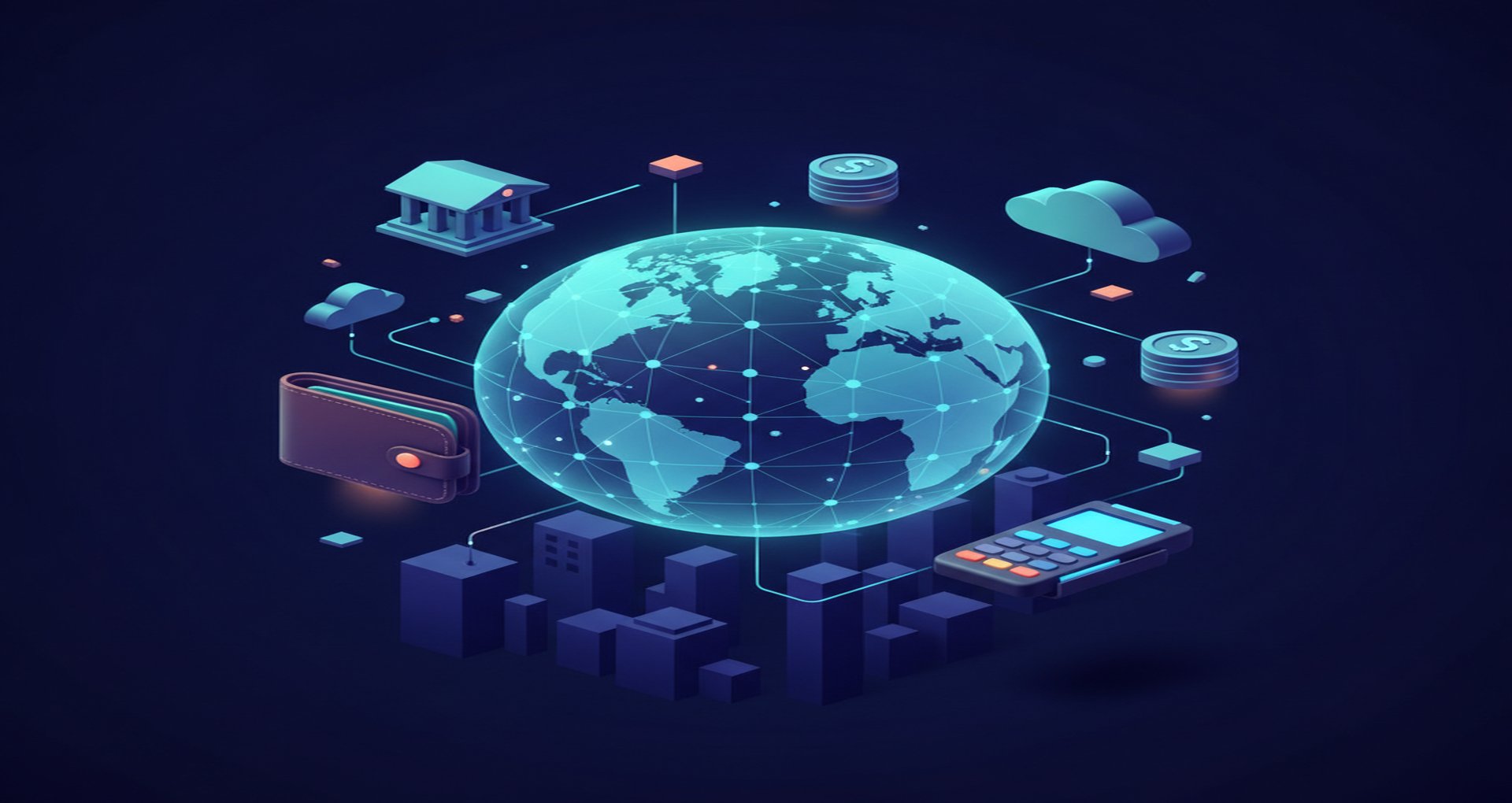
Tìm kiếm cụm từ "openfuture world" và bạn sẽ thấy một loạt các trang web rất khác nhau, mỗi trang đều tự nhận mình là một phần của tên gọi này. Một trang là trung tâm tin tức theo dõi ngân hàng mở. Một trang khác cung cấp giao dịch tiền điện tử và ví kỹ thuật số. Trang thứ ba là một câu lạc bộ điều hành ở Thung lũng Silicon, và trang thứ tư đào tạo nhân viên hỗ trợ người khuyết tật. Không trang nào trong số đó thuộc cùng một công ty. Việc nhầm lẫn giữa chúng có thể dẫn đến việc bạn tin tưởng, hoặc bỏ qua, một nền tảng không phù hợp.
Hướng dẫn này sẽ làm rõ ai là ai dưới danh nghĩa OpenFuture World, mỗi người thực sự làm gì và làm thế nào để kiểm tra xem một nền tảng tài chính kỹ thuật số có xứng đáng với dữ liệu và tiền của bạn trước khi bạn đăng ký hay không.
Những khía cạnh đa dạng của "Tương lai mở" trực tuyến
Tình trạng trùng tên xảy ra liên tục trong các ngành công nghiệp phát triển nhanh, nhưng OpenFuture World là một trường hợp đặc biệt đông đúc. Ít nhất bốn tổ chức không liên quan sử dụng các biến thể của "open future" trong thương hiệu của họ. Các công cụ tìm kiếm không sắp xếp chúng theo mức độ liên quan đến những gì bạn thực sự đang tìm kiếm; chúng sắp xếp theo uy tín tên miền và độ mới, vì vậy kết quả bạn nhận được trên trang đầu tiên có thể hoàn toàn ngẫu nhiên.
Điều đó rất quan trọng nếu bạn tìm thấy tên công ty đó thông qua một bài đăng trên LinkedIn, một bài báo PR, hoặc lời giới thiệu của bạn bè và muốn xác minh thông tin. Một nền tảng giao dịch tiền điện tử và một công ty đào tạo người khuyết tật không có điểm chung nào ngoài ba từ trong tên của chúng. Việc coi cái này là bằng chứng cho cái kia chính là cách mà sự tin tưởng sai lầm xảy ra.
Một trong số đó là một thư mục ngân hàng mở đã hoạt động lâu năm. Một thực thể khác là một nền tảng tài chính kỹ thuật số mới hơn với thông tin công khai hạn chế. Hai thực thể còn lại là các tổ chức không liên quan nhưng tình cờ có cùng kiểu đặt tên. Đó là bản đồ – giờ chúng ta hãy cùng xem xét từng thực thể một.
Thế giới Tương lai Mở và Phong trào Ngân hàng Mở
Trước tiên, hãy định nghĩa ngắn gọn. Ngân hàng mở nghĩa là cho phép các ngân hàng chia sẻ dữ liệu tài khoản và quyền truy cập thanh toán với các ứng dụng của bên thứ ba thông qua các API an toàn, được sự cho phép của bên thứ ba. Đó là nền tảng đằng sau các ứng dụng quản lý ngân sách lấy dữ liệu từ ba ngân hàng khác nhau cùng một lúc, và đằng sau các công cụ thanh toán rút tiền trực tiếp từ tài khoản của bạn thay vì chuyển qua mạng lưới thẻ.
Trang web openfuture.world tự nhận mình là nguồn tin toàn cầu về tin tức ngân hàng mở — những thay đổi về quy định, ra mắt sản phẩm, những người đang làm gì trong lĩnh vực này. Trên thực tế, nó giống một ấn phẩm chuyên ngành hơn là một sản phẩm. Bạn không đăng ký nhận thông tin mà chỉ đọc nó, giống như cách bạn đọc một bản tin chuyên ngành.
Trong số các trang web mang tên OpenFuture liên quan đến fintech, trang này đã tồn tại lâu nhất và tập trung vào hệ sinh thái hơn là bất kỳ sản phẩm cụ thể nào mà họ đang cố gắng bán cho bạn. Bạn đã tìm kiếm "thế giới OpenFuture" để biết điều gì đang xảy ra trong lĩnh vực ngân hàng mở nói chung? Đây có lẽ là trang web bạn thực sự muốn tìm.
Tại sao lại cần một danh mục như thế này? Bởi vì mạng lưới ngân hàng mở vẫn đang được xây dựng, từng khu vực một, và dàn ngân hàng, tổ chức tiêu chuẩn và cơ quan quản lý tham gia thay đổi thường xuyên đến mức việc theo dõi trở thành công việc toàn thời gian của ai đó. "Ngân hàng mở" chưa bao giờ chỉ là một API hay một ứng dụng duy nhất — mà là cả một mạng lưới các ngân hàng, công ty fintech và nhà cung cấp phần mềm trung gian thống nhất về cách dữ liệu nên được di chuyển giữa họ. Việc có người theo dõi mạng lưới đó thực sự có giá trị nếu bạn đang xây dựng trên đó, đầu tư vào đó, hoặc chỉ đơn giản là cố gắng không bị tụt hậu.
Nền tảng Tài chính Kỹ thuật số Thế giới OpenFuture
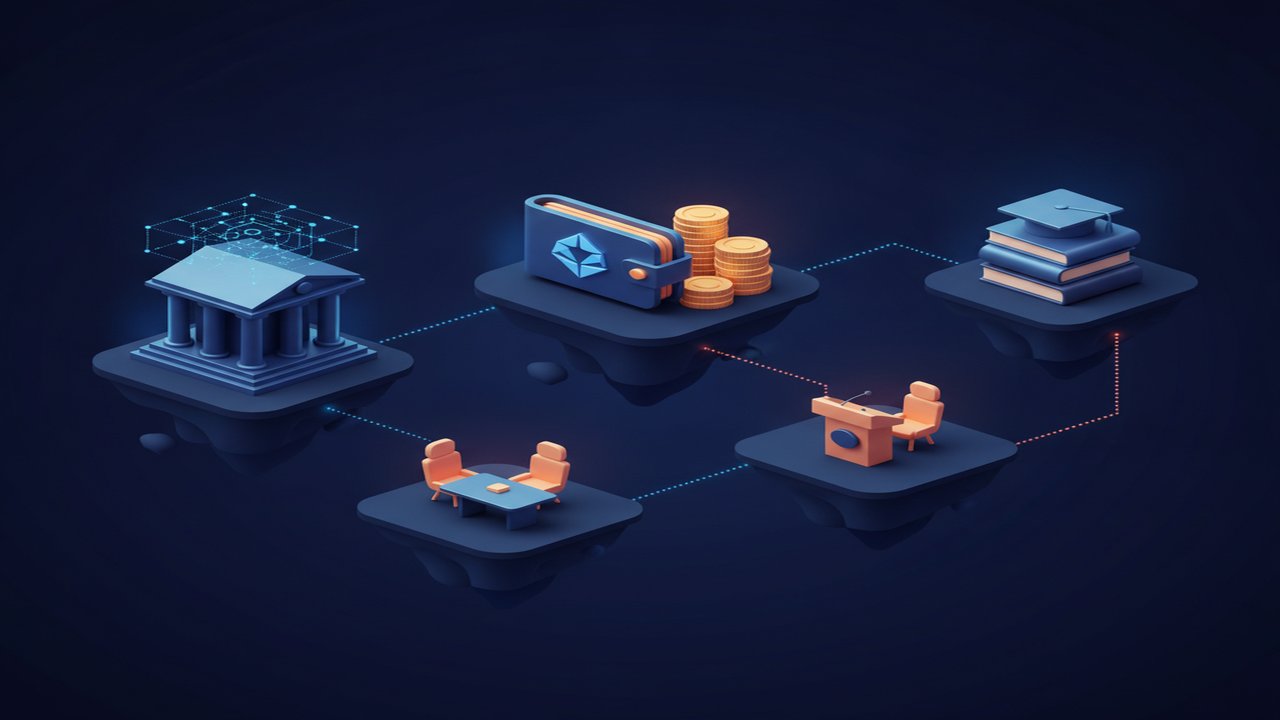
Một trang web khác, openfutureworld.net, tự mô tả mình theo cách khác. Theo tài liệu của chính trang web này, đây là một nền tảng tài chính kỹ thuật số, được thành lập vào năm 2020, với khẩu hiệu "Đơn giản hóa tài chính kỹ thuật số cho mọi người". Không giống như trang tin tức ở trên, trang này yêu cầu bạn tạo tài khoản và sử dụng trực tiếp các công cụ của nó.
Theo trang web của mình, nền tảng này cung cấp:
- Giao dịch tiền điện tử , được mô tả là một nền tảng dành cho cả người mới bắt đầu và các nhà giao dịch chuyên nghiệp.
- Dịch vụ ví điện tử để lưu trữ và quản lý tài sản kỹ thuật số.
- Các công cụ quản lý tài chính cá nhân , bao gồm lập ngân sách, theo dõi chi tiêu và các tính năng tiết kiệm.
Đó là một loạt dịch vụ khá rộng cho một nền tảng duy nhất, và những tuyên bố chung chung như vậy cần được xem xét kỹ lưỡng hơn. Những gì còn thiếu trên trang web là: không có thông tin đăng ký giấy phép hoặc quy định nào được công khai, không có tên thành viên nhóm hoặc tiểu sử lãnh đạo, và không có số liệu nào có thể kiểm chứng độc lập để chứng minh cho tuyên bố về cơ sở người dùng toàn cầu và các giải thưởng trong ngành. Điều đó không chứng tỏ có gì sai. Rất nhiều công ty khởi nghiệp hợp pháp cũng không công khai nhiều thông tin. Nhưng điều đó có nghĩa là bạn không nên tin hoàn toàn vào những lời quảng cáo.
Nếu bạn đang cân nhắc nền tảng cụ thể này cho các dịch vụ giao dịch hoặc ví điện tử, hãy xem việc thiếu thông tin về giấy phép và đội ngũ là điểm khởi đầu cho quá trình nghiên cứu của riêng bạn, chứ không phải là một chú thích bạn có thể bỏ qua. Phần đánh giá bên dưới sẽ hướng dẫn chi tiết cách kiểm tra.
Bài viết này không hề cáo buộc openfutureworld.net bất cứ điều gì. Rất nhiều nền tảng tài chính giai đoạn đầu ra mắt một cách lặng lẽ, xây dựng uy tín và trở nên minh bạch hoàn toàn theo thời gian. Nhưng việc yêu cầu ai đó tin tưởng giao cho bạn ví tiền điện tử hoặc quỹ giao dịch là một quyết định khác hẳn so với việc yêu cầu họ đăng ký nhận bản tin, và các tiêu chuẩn quản trị và công khai thông tin cần phải tương xứng với những gì thực sự đang bị đe dọa. Cho đến khi những thông tin công khai đó xuất hiện, nhãn hiệu trung thực dành cho nền tảng này là "chưa được xác minh" — chứ không phải "đáng tin cậy", và cũng không phải "không đáng tin cậy".
Diễn đàn Tương lai Mở và các thương hiệu "Tương lai Mở" khác không liên quan
Hai tổ chức nữa cũng nằm trong nhóm tên gọi này, và cả hai đều không liên quan gì đến ngân hàng mở hay tài chính kỹ thuật số.
Open Future Forum là một cộng đồng điều hành cấp cao tại Thung lũng Silicon được xây dựng dựa trên các cuộc gặp gỡ riêng tư và các sự kiện thảo luận công khai dành cho các nhà lãnh đạo cấp cao đang định hướng trong kỷ nguyên Trí tuệ Nhân tạo (AI). Diễn đàn này có một cấp độ thành viên được mời gọi là Forum Select bên cạnh các sự kiện mở của Forum Events. Nội dung của nó tập trung vào vốn đầu tư mạo hiểm, việc áp dụng AI trong doanh nghiệp và kết nối mạng lưới điều hành, chứ không phải tài chính cá nhân.
Riêng Open Future Learning là một nhà cung cấp đào tạo trực tuyến tập trung hoàn toàn vào lực lượng lao động trong lĩnh vực khuyết tật trí tuệ và phát triển. Đó là một ngành hoàn toàn khác, không hề có yếu tố dịch vụ tài chính nào.
| Thực thể | Lãnh địa | Thực chất nó là gì? | Có liên quan đến lĩnh vực tài chính không? |
|---|---|---|---|
| OpenFuture World (trung tâm tin tức) | openfuture.world | Tin tức và danh bạ ngân hàng mở | Vâng — thông tin |
| OpenFuture World (nền tảng) | openfutureworld.net | Giao dịch tiền điện tử, ví điện tử, công cụ tài chính | Vâng — giao dịch |
| Diễn đàn Tương lai Mở | openfutureforum.com | Cộng đồng lãnh đạo cấp cao, mạng lưới thời đại AI | Không — Sự kiện B2B |
| Học tập Tương lai Mở | openfuturelearning.org | Đào tạo lực lượng lao động khuyết tật | Không — ngành không liên quan |
Nếu bạn đến đây vì ai đó nhắc đến "Open Future" trong bối cảnh kinh doanh hoặc trí tuệ nhân tạo, rất có thể họ đang nói đến Diễn đàn, chứ không phải một trong hai trang web tập trung vào tài chính.
Vì sao Tài chính Mở và Ngân hàng Mở đang phát triển nhanh chóng
Một phần nguyên nhân gây nhầm lẫn về tên gọi là do tài chính mở là một lĩnh vực thực sự đông đúc và phát triển nhanh chóng. Các ngân hàng truyền thống đang phải đối mặt với áp lực từ phía cơ quan quản lý và cạnh tranh để mở dữ liệu của họ thông qua API, và áp lực đó đang tạo ra các thư mục, cộng đồng và nền tảng mới nhanh hơn hầu hết mọi người có thể theo dõi.
Trí tuệ nhân tạo (AI) đang thúc đẩy điều này trên hai phương diện. Phát hiện gian lận và các mô hình chấm điểm tín dụng đang buộc các ngân hàng phải chia sẻ dữ liệu chi tiết hơn với các đối tác đã được kiểm duyệt. Các công cụ tài chính cá nhân được hỗ trợ bởi AI cũng cần quyền truy cập dữ liệu mở tương tự để hoạt động — ứng dụng tự động phân loại chi tiêu của bạn trên ba ngân hàng chỉ hoạt động được nhờ vào cơ sở hạ tầng ngân hàng mở nằm bên dưới nó.
Sự tăng trưởng này mang lại những lợi ích thiết thực: cạnh tranh gay gắt hơn giữa các công cụ tài chính, hệ thống thanh toán nhanh hơn, cá nhân hóa tốt hơn. Nó cũng mang đến sự nhầm lẫn về tên gọi và lòng tin mà bài viết này đang làm rõ. Một vài yếu tố đang thúc đẩy điều này:
- Áp lực pháp lý ở nhiều khu vực yêu cầu các ngân hàng phải công khai dữ liệu tài khoản thông qua các API an toàn và được người dùng đồng ý.
- Nhu cầu của người tiêu dùng đối với các công cụ tài chính hoạt động trên nhiều tài khoản thay vì chỉ một ứng dụng của ngân hàng riêng lẻ ngày càng tăng.
- Việc các ngân hàng và các công ty khởi nghiệp fintech áp dụng AI đang làm tăng khối lượng các quan hệ đối tác chia sẻ dữ liệu.
- Cơ sở hạ tầng tiền điện tử và blockchain đang phát triển song song với hệ thống ngân hàng mở truyền thống, làm mờ ranh giới giữa hai loại hình này.
Điểm cuối cùng đó chính xác là vị trí mà một nền tảng như openfutureworld.net đang nắm giữ, kết hợp giữa tài chính mở và dịch vụ tiền điện tử trong cùng một sản phẩm. Điều này khá phổ biến, nhưng nó cũng có nghĩa là nền tảng này phải chịu sự giám sát từ cả hai lĩnh vực cùng một lúc.
Đổi mới không loại bỏ nhu cầu về quản trị cơ bản. Sự minh bạch về cách dữ liệu và tiền bạc được luân chuyển chỉ có ý nghĩa nếu nó đi kèm với sự minh bạch về người đang luân chuyển chúng — một nền tảng có thể thông minh về mặt kỹ thuật nhưng vẫn thiếu sót trong việc công khai thông tin. Phân khúc phát triển nhanh nhất của tài chính mở hiện nay nằm chính xác ở nơi mà các hệ thống tiền điện tử giao thoa với dữ liệu ngân hàng truyền thống, và đó cũng là nơi mà quy định còn chưa hoàn thiện. Sự thận trọng hơn ở đó là cần thiết, chứ không phải là sự hoang tưởng.
Cách kiểm tra kỹ lưỡng bất kỳ nền tảng tài chính kỹ thuật số nào trước khi sử dụng
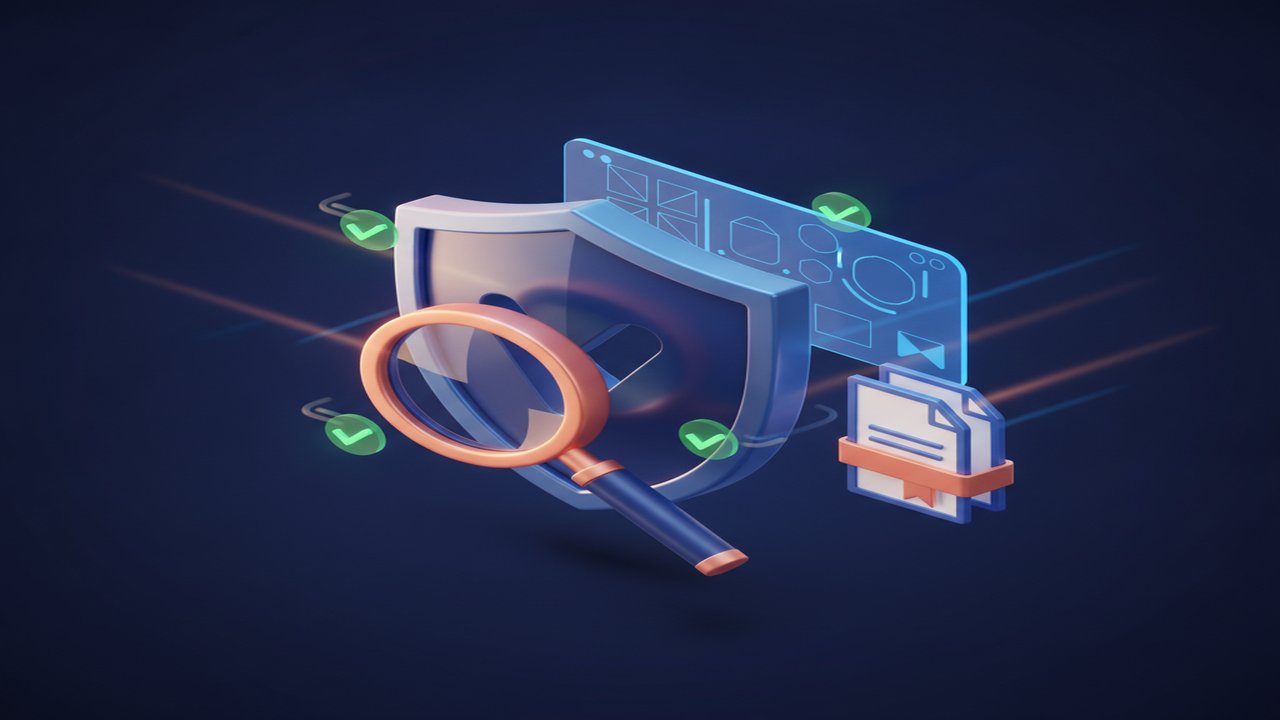
Cho dù bạn đang xem xét openfutureworld.net nói riêng hay bất kỳ nền tảng nào khác muốn lấy tiền hoặc dữ liệu cá nhân của bạn, danh sách kiểm tra tương tự vẫn áp dụng. Bỏ qua bước này là lý do khiến nhiều người bị khóa tài khoản và không thể liên lạc được với bộ phận hỗ trợ.
- Tra cứu hồ sơ đăng ký công ty. Các nền tảng tài chính hợp pháp thường được đăng ký ở đâu đó. Kiểm tra các cơ quan đăng ký kinh doanh của chính phủ để biết tên pháp lý và quốc gia thành lập của tổ chức.
- Hãy tìm kiếm thông tin về giấy phép và quy định. Các nền tảng xử lý giao dịch tiền điện tử hoặc ví điện tử thường cần giấy phép chuyển tiền hoặc giấy phép tài sản ảo tùy thuộc vào khu vực pháp lý. Việc không đề cập đến điều này ở bất kỳ đâu trên trang web là một thiếu sót đáng được điều tra.
- Hãy xác minh xem đội ngũ đó có thật hay không. Tìm kiếm tên của từng người lãnh đạo. Một nền tảng không có người điều hành được nêu tên, hoặc người điều hành không có lịch sử được xác minh, sẽ tiềm ẩn nhiều rủi ro hơn so với một nền tảng có đội ngũ được công khai và có thể kiểm tra được.
- Hãy kiểm tra các đánh giá độc lập, chứ không chỉ dựa vào lời chứng thực. Những trích dẫn trên trang web chỉ là chiêu trò tiếp thị. Thay vào đó, hãy tìm kiếm các cuộc thảo luận của bên thứ ba trên các diễn đàn, trang tổng hợp đánh giá và các nền tảng mạng xã hội.
- Hãy nghiên cứu tên miền và lịch sử sở hữu. Một tên miền mới được đăng ký gần đây, với thông tin WHOIS riêng tư và không có lịch sử thương hiệu nhất quán, sẽ là tín hiệu yếu hơn so với một tên miền đã được thiết lập và sở hữu minh bạch.
- Hãy bắt đầu từ số vốn nhỏ. Nếu bạn quyết định thử nghiệm một nền tảng, hãy nạp tiền và giao dịch với số tiền mà bạn có thể chấp nhận mất hoàn toàn, sau đó xác nhận xem việc rút tiền có hoạt động bình thường hay không trước khi đầu tư nhiều hơn.
Tiêu chuẩn này áp dụng cho mọi công cụ thanh toán tiền điện tử, không chỉ riêng các nền tảng giao dịch. Một số nhà cung cấp công khai thông tin về việc tuân thủ quy định và giấy phép của họ như một tín hiệu tin cậy cơ bản. Ví dụ, Plisio hoạt động như một cổng thanh toán tiền điện tử với thông tin về quy định và hoạt động kinh doanh được công khai – một sự minh bạch đáng tìm kiếm bất kể bạn chọn nền tảng nào.
Tóm lại
"OpenFuture World" không phải là một thương hiệu duy nhất. Đó là một cái tên được sử dụng chung cho một trang tin tức, một nền tảng tài chính, một cộng đồng điều hành và một công ty đào tạo, mỗi lĩnh vực hoạt động riêng biệt. Nếu bạn đang tìm kiếm thông tin về nền tảng tiền điện tử và tài chính kỹ thuật số, thì cách thông minh nhất là coi những tuyên bố tiếp thị của họ như một điểm khởi đầu chứ không phải là kết luận, sau đó tiến hành thẩm định kỹ lưỡng tương tự như đối với bất kỳ dịch vụ nào yêu cầu tiền của bạn. Tên gọi có thể được tái sử dụng. Nhưng tính minh bạch đã được kiểm chứng thì không.