Bedeutung von Huzz: Was dieses Slangwort bedeutet

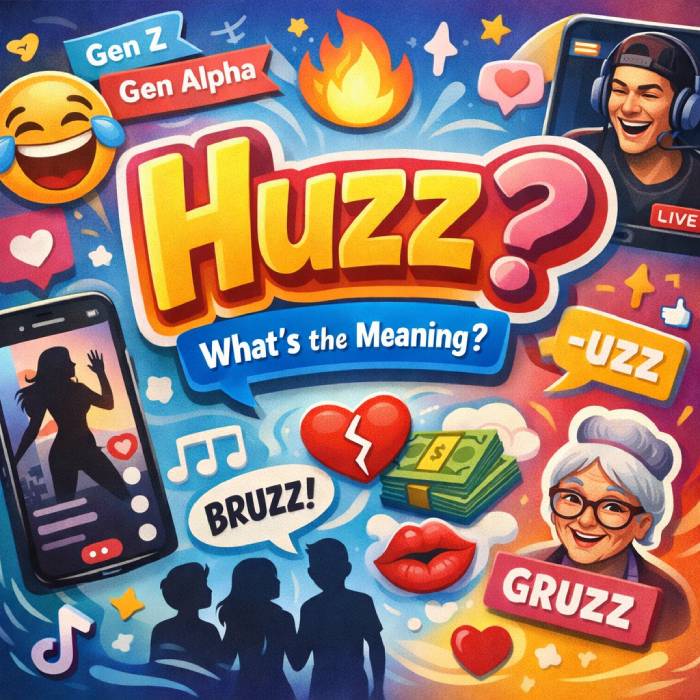
Das Wort „huzz“ ist eines von mehreren modernen Slangwörtern, die auf -uzz enden und in den sozialen Medien populär geworden sind. Ähnliche Begriffe sind beispielsweise „bruzz“ oder „gruzz“. Jedes dieser Wörter wird als lockere Bezeichnung für eine bestimmte Personengruppe verwendet, oft scherzhaft oder übertrieben.
Im Kern ist „huzz“ ein Slangausdruck für Frauen, meist eine Gruppe von Mädchen. Hier liegt oft die Ursache für Missverständnisse. Er leitet sich vom englischen Wort „hoe“ ab und ist eng mit älteren Slangausdrücken wie „hoes“ verwandt. Wie anstößig er klingt, hängt stark vom Kontext, dem Tonfall und dem Sprecher ab. In manchen Situationen ist er ironisch oder beiläufig gemeint, in anderen kann er vulgär oder respektlos wirken.
Huzz-Ursprung: Woher kommt das Slangwort?
Der Ursprung des Begriffs „Huzz“ ist eng mit Live-Streaming und der Kurzvideo-Kultur verbunden. Das Slangwort tauchte um 2023 online auf und wird häufig mit dem Streamer Kai Cenat in Verbindung gebracht. In einem frühen Stream verwendete ein Freund das Wort beiläufig, und der Clip verbreitete sich rasant.
Von dort aus verbreitete sich der Begriff auf Plattformen wie TikTok, Twitch, YouTube und X. Livestreams spielen dabei eine besondere Rolle: Wenn ein Streamer ein Wort vor der Kamera wiederholt, hören es Tausende von Zuschauern gleichzeitig, und viele wiederholen es sofort in Kommentaren, Clips und Memes. Wie viele Slangwörter verbreitete es sich nicht aufgrund einer klaren Definition, sondern weil es einprägsam, witzig und leicht zu wiederholen war.
Wie man Huzz verwendet: Bedeutung und Kontext
Im alltäglichen Gebrauch sozialer Medien taucht „huzz“ häufig in kurzen Phrasen auf. Die gebräuchlichste Form ist „the huzz“, insbesondere in Sätzen wie „doing it for the huzz“.
Der Begriff wird in ernsthaften Gesprächen selten verwendet. Stattdessen taucht er in Witzen, Bildunterschriften, Kommentaren oder kurzen Videos auf. Seine Bedeutung erschließt sich meist eher aus dem Kontext als aus dem Wort allein.
Warum die Generation Z und die Generation Alpha auf TikTok "huzz" sagen
Für viele Eltern wirken Ausdrücke wie „huzz“ verwirrend oder unerwartet. Für die Generation Z und die Generation Alpha hingegen ist diese Art von Slang ein normaler Bestandteil des Online-Lebens. Ihre Sprache entwickelt sich rasant, angetrieben von Memes, Streams und viralen Videos.
Bis 2025 wird dieser Trend stark davon abhängen, wie viel Zeit jüngere Generationen auf sozialen Plattformen verbringen. Aktuelle globale Schätzungen zeigen, dass über 80 % der Generation Z aktiv TikTok nutzen und Teenager täglich etwa zwei bis drei Stunden auf Kurzvideo-Plattformen verbringen. Für die Generation Alpha sind soziale Videos oft der erste Ort, an dem neue Slangwörter gelernt und verwendet werden.
Wörter wie „rizz“ , „sigma“ und „bussin“ folgten einem ähnlichen Weg. „Huzz“ ist einfach der neueste Slangausdruck, der bei Teenagern und jüngeren Nutzern, die einen Großteil ihres Tages in sozialen Netzwerken verbringen, an Popularität gewonnen hat.
Erkläre die Bedeutung von „huzz“: Bedeutung vs. Absicht
Pädagogen und Content-Ersteller, die sich mit dem Wortschatz von Jugendlichen beschäftigen, weisen häufig darauf hin, dass „huzz“ kein höfliches Wort ist. Seine Bedeutung ist mit älteren, abwertenden Ausdrücken verbunden, aber die Intention kann je nach Sprecher stark variieren. Direkt ausgedrückt ist es eine andere Art, „Schlampen“ zu sagen.
Allerdings ist nicht jedem Jugendlichen, der das Wort verwendet, dessen Bedeutung vollständig bewusst. Unter jüngeren Teenagern kann „huzz“ einfach eine Gruppe Mädchen oder die Person bezeichnen, die jemand beeindrucken möchte . In diesem Sinne ersetzt es manchmal sanftere Ausdrücke für Dating oder Anziehung.
Dieses Missverständnis ist typisch für virale Slangausdrücke. Manche Nutzer wissen genau, worauf sich das Wort bezieht. Andere wiederholen es, weil es witzig klingt oder gerade im Trend liegt.
Wie Huzz in den sozialen Medien populär wurde
Nachdem der Begriff „Huzz“ in beliebten Streams und kurzen Clips auftauchte, verbreitete er sich rasant. Dieses Wachstum ist typisch für moderne Social-Media-Ökosysteme. Allein TikTok wird im Jahr 2025 weltweit über 1,5 Milliarden monatlich aktive Nutzer zählen und ist damit einer der schnellsten Wege, um mit einem Slangausdruck ein globales Publikum zu erreichen.
Jugendliche begannen, Videos aufzunehmen, in denen sie sich einer Gruppe Mädchen näherten und diese mit übertriebenen Sätzen, in denen das betreffende Wort vorkam, begrüßten. Da kurze Videos in rasantem Tempo geteilt, zusammengeschnitten und neu gemischt werden, kann selbst ein kleiner Witz innerhalb weniger Tage Millionen von Zuschauern erreichen.
Diese Mischung aus Video, Humor und Wiederholung trug dazu bei, dass der Begriff von Online-Plattformen in den alltäglichen Schulgebrauch Einzug hielt. Wie bei vielen Slangwörtern war die Sichtbarkeit wichtiger als die korrekte Schreibweise.
Bruzz und Gruzz: ähnliche Slangwörter mit der Endung -uzz
Mit dem Aufstieg von Huzz entstand auch ein Trend: das Anhängen von -uzz an andere Wörter.
- Bruzz ist eine spielerische Version von Bros und wird verwendet, um männliche Freunde zu bezeichnen.
- Gruzz wird scherzhaft zur Beschreibung älterer Menschen verwendet und basiert auf Oma und Opa .
Diese Variationen sind in der Regel nicht ernst gemeint. Sie existieren hauptsächlich als Teil eines gemeinsamen Witzes und eines sich ständig weiterentwickelnden Wortschatzes.
Warum der Kontext wichtig ist, wenn Leute „huzz“ sagen.
Im modernen Slang ist der Kontext entscheidend. Dasselbe Wort kann in einem Kontext harmlos und in einem anderen beleidigend klingen.
Zu verstehen, was „huzz“ bedeutet, heißt nicht, es gutzuheißen. Für Erwachsene kann allein das Wissen um die Bedeutung die Kommunikation mit Teenagern erleichtern und Missverständnisse vermeiden helfen.
Wie Teenager Huzz heute nutzen
Unter jungen Nutzern, insbesondere Jungen, wird „huzz“ häufig im Zusammenhang mit Dating, Partys oder sozialem Status verwendet. Man hört es beispielsweise, wenn jemand beschreibt, wen er beeindrucken möchte oder warum er sich auf eine bestimmte Weise verhalten hat.
In diesem Sinne bezeichnet das Wort üblicherweise Frauen als Gruppe und nicht eine bestimmte Person. Es tritt häufig zusammen mit „rizz“ auf, was so viel wie Selbstbewusstsein oder Charme bedeutet.
Sprachlicher Hintergrund: Woher kommt das Wort „huzz“?
Historisch betrachtet ist „huzz“ mit älteren Wörtern wie „hussy“ und „hoe“ verwandt. Diese Begriffe veränderten im Laufe der Zeit ihre Bedeutung und wurden schließlich zu Beleidigungen.
Auch wenn der moderne Gebrauch auf TikTok oder Twitch lockerer wirkt, prägt die ursprüngliche Bedeutung immer noch die Rezeption des Wortes. Deshalb empfinden es viele Menschen als objektivierend, selbst wenn es scherzhaft verwendet wird.
Ist „huzz“ ein positiver oder negativer Slangausdruck?
Im Allgemeinen gilt „huzz“ als negativer oder vulgärer Slangausdruck. Auch wenn nicht jede Verwendung beleidigend gemeint ist, reduziert er Frauen oft auf eine Rolle, anstatt sie als Individuen wahrzunehmen.
Viele Erwachsene vergleichen es mit dem Gerede in der Umkleidekabine: unter Gleichaltrigen üblich, aber keine Sprache, die respektvolle Beziehungen fördert.
Huzz – Bedeutung für Eltern: Was Sie wissen müssen
Die meisten Eltern würden „huzz“ nicht ernsthaft in Betracht ziehen. Dennoch kann es nützlich sein, die Bedeutung zu kennen.
Ein typisches Szenario aus dem Alltag: Man sitzt im Auto, ein kurzes TikTok-Video läuft, und der Teenager sagt etwas wie: „Er macht das nur, um anzugeben.“ Meistens ist das kein Warnsignal. Es bedeutet in der Regel, dass er damit Mädchen beeindrucken oder seinen sozialen Status verbessern will.
Das Wort „Dating“ zu hören, ist oft ein Zeichen dafür, dass Jugendliche über Dating, Anziehung oder soziale Dynamiken sprechen. Wenn man diesen Kontext erkennt, kann das den Weg für ruhigere und fundiertere Gespräche ebnen.
Beispiele für alltägliches Huzz
- „Hast du den ganzen Trubel auf der Party mitbekommen?“
- „Er glaubt, er hat Rizz, aber er kann nicht mit dem Bullen reden.“
- „Wir gehen ins Einkaufszentrum, um nach Neuigkeiten zu suchen.“
Was ist Huzz nicht?
Es ist hilfreich, sich darüber im Klaren zu sein, was „Huzz“ nicht ist. Es ist kein formeller Begriff, keine neutrale Bezeichnung für Frauen und keine Sprache, die außerhalb informeller Online-Räume gut ankommt. Auch unter jungen Menschen ist der Begriff nicht allgemein akzeptiert.
„Huzz“ ist nur ein Teil eines größeren Musters. Das Anhängen der Endung „uzz“ ist für Online-Nutzer zu einer spielerischen Methode geworden, bekannte Wörter neu zu kombinieren.
Diese Angewohnheit spiegelt einen chronisch online geprägten Kommunikationsstil wider, bei dem ein zeitgemäßer Klang wichtiger ist als Präzision. Das Ergebnis ist ein schnelllebiger, von Insiderwitzen geprägter Slang.
Huzz auf TikTok: Ironie, Trends und virale Nutzung
Auf Plattformen wie TikTok und Twitch wird „huzz“ oft ironisch verwendet. Dies entspricht einem breiteren Trend in der Online-Kommunikation. Studien zeigen, dass im Jahr 2025 über 60 % der Generation Z regelmäßig Videoinhalte erstellen oder teilen werden, anstatt sie nur anzusehen. Diese ständige Beteiligung fördert übertriebene Sprache und selbstironische Witze.
Redewendungen wie „alles für den Erfolg tun“ dienen oft dazu, jemanden zu verspotten, der sich zu sehr anstrengt. In solchen Fällen wird das Wort Teil des Witzes und nicht mehr als ernst gemeinte Aussage verstanden.
Kultureller Kontext des Slangwortes „huzz“
Einige Quellen führen den Begriff „Huzz“ auf Slang zurück, der in bestimmten Online-Communities kursierte, bevor er ein breiteres Publikum erreichte. Im Zuge seiner Verbreitung ging viel vom ursprünglichen Kontext verloren.
Dieser Prozess ist in der Internetkultur weit verbreitet und trägt dazu bei, zu erklären, warum die Reaktionen auf das Wort zwischen den Generationen so stark variieren.
Warum verbreiten sich Slangwörter wie „huzz“ so schnell?
Slangwörter sind besonders beliebt, wenn sie kurz, einprägsam und leicht zu kombinieren sind. Algorithmen sozialer Medien belohnen Bekanntheit, was die Verbreitung populärer Begriffe zusätzlich fördert. Auch 2025 werden Kurzvideos bei jüngeren Nutzern das dominierende Inhaltsformat bleiben, und Slang verbreitet sich über Clips schneller als über Texte.
Viele Teenager lernen neue Slangausdrücke ganz nebenbei beim Scrollen. Deshalb wirken Wörter wie „huzz“ oft so, als wären sie über Nacht aufgetaucht. Um zu verstehen, wie sich diese Begriffe entwickeln, geht es weniger darum, Definitionen auswendig zu lernen, sondern vielmehr darum, zu erkennen, wie sich moderne Sprache heutzutage plattformübergreifend und in großem Umfang verbreitet.